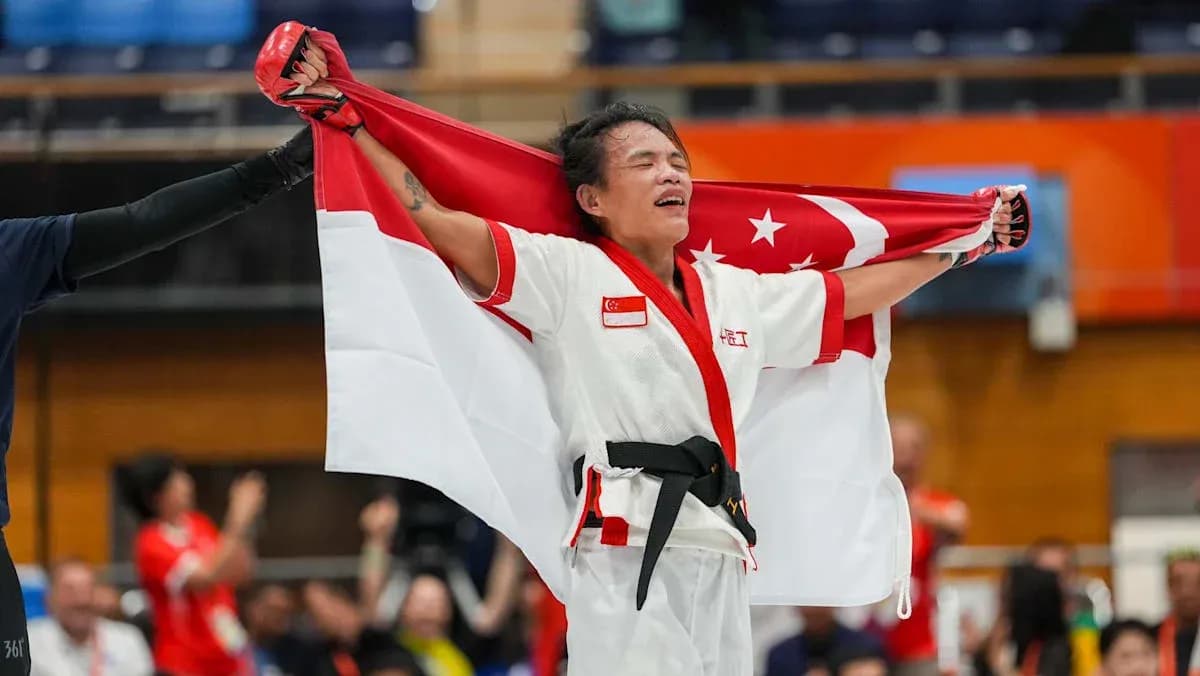
Kai Asakura Dominates Aoriqileng with KO in Shanghai
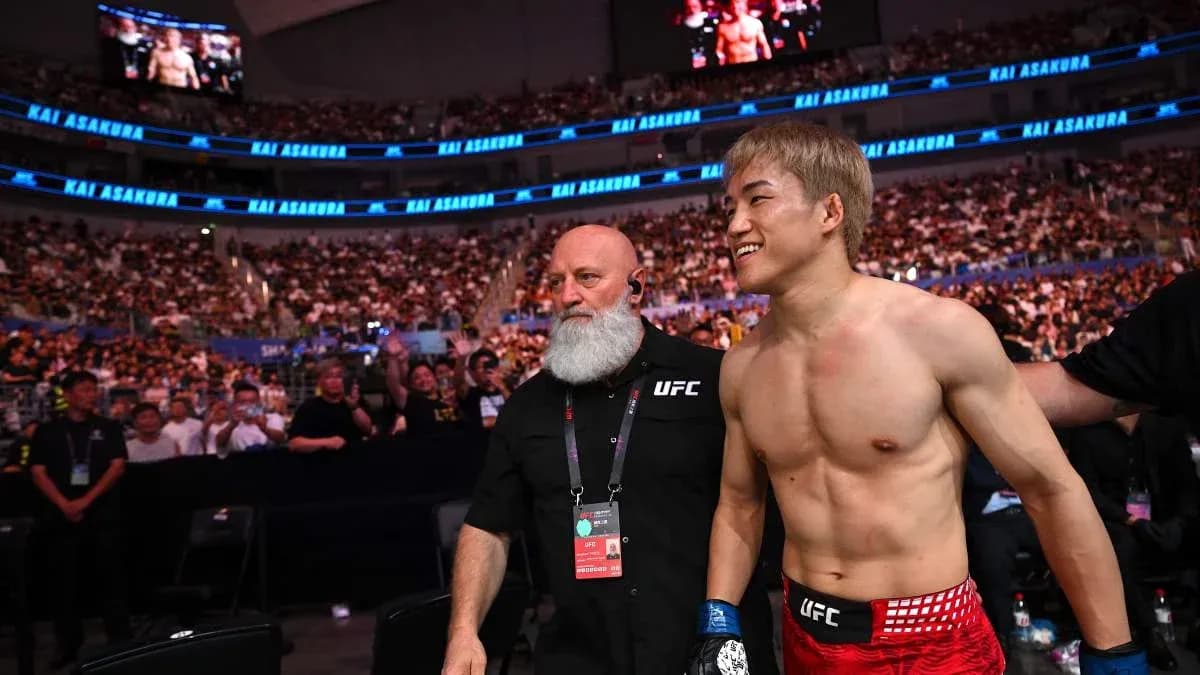
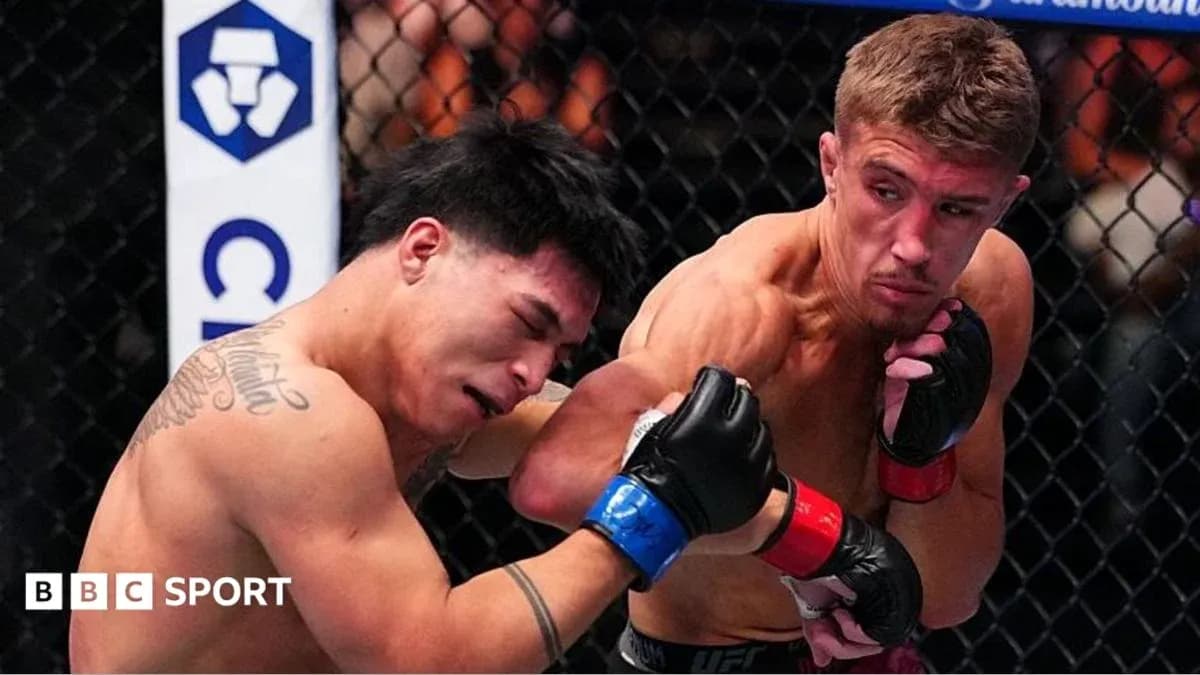
Kai Asakura didn’t just beat Aoriqileng in Shanghai. He walked into hostile territory, took the crowd’s favorite apart, and planted a flag in the UFC bantamweight division with one of the most violent finishes of the night.
A head kick started it. Everything else was pure cruelty.
The Japanese contender stunned the Chinese bantamweight with a clean shot upstairs, the kind of kick that freezes a fighter for half a second before gravity takes over. As Aoriqileng staggered, Asakura pounced, swarming with punches and driving him to the canvas. He didn’t rush wildly; he hunted. Then came the knees to the body on the ground, each one folding Aoriqileng a little more until the referee had no choice but to step in.
It was brutal. It was clinical. And it was exactly the kind of performance Asakura needed.
“Won by KO! Thank you for your support!” he wrote on Instagram afterward – a short message that said enough. The statement had already been made inside the Octagon.
From failed flyweight bid to a reborn contender
Asakura arrived in the UFC with heavy expectations strapped to his back. Signed out of RIZIN as one of Japan’s biggest stars, he didn’t get a gentle introduction. Matchmakers threw him straight into the fire with an immediate title shot at flyweight against then-champion Alexandre Pantoja at UFC 310.
That gamble backfired.
Pantoja reminded everyone why he wore the belt, dragging Asakura into deep water and finishing him with a rear-naked choke in the second round of their main event. When Asakura returned at UFC 319 in August 2025, looking to reset against veteran Tim Elliott, the night unraveled again. Elliott caught him in a tight guillotine choke in the second round, pulling off a sizeable upset and leaving Asakura 0-2 in the promotion.
Two fights. Two submissions. A derailed title dream and a brutal reality check.
The problem wasn’t talent. It was the scale.
Asakura had been draining himself to hit 125 lbs, and the cost showed. After the Elliott loss, he made the call: no more flyweight. He moved up to bantamweight, trading size for strength, and trusting that a fresher body would unlock the power and timing that made him a star in Japan.
The change has transformed him.
At 135 lbs, Asakura is now 2-0, both wins by knockout. First came Cameron Smotherman, who felt the new version of Asakura and didn’t make it to the final horn. Now Aoriqileng has joined that list, finished violently in front of a home crowd in Shanghai.
Same fighter. Different weight class. Entirely different threat.
A star the UFC can’t ignore
Asakura’s value to the UFC stretches beyond his win-loss record. He is a marquee name in Japan, a market the promotion has long targeted but never fully cracked. When he wins like this, it resonates far beyond one arena in China.
That makes his next move obvious.
With back-to-back knockouts and momentum finally behind him, Asakura is no longer a reclamation project from flyweight. He’s a live contender in a stacked bantamweight division, and the timing is perfect for a step up. A top-15 opponent now feels less like a reward and more like the logical next test.
The question isn’t whether the UFC will push him. It’s how quickly they decide to find out if this reborn version of Kai Asakura can turn a violent resurgence into a genuine title run at 135.