Julie Tetart: Monaco's Trailblazing Trans Athlete Dominates Basketball
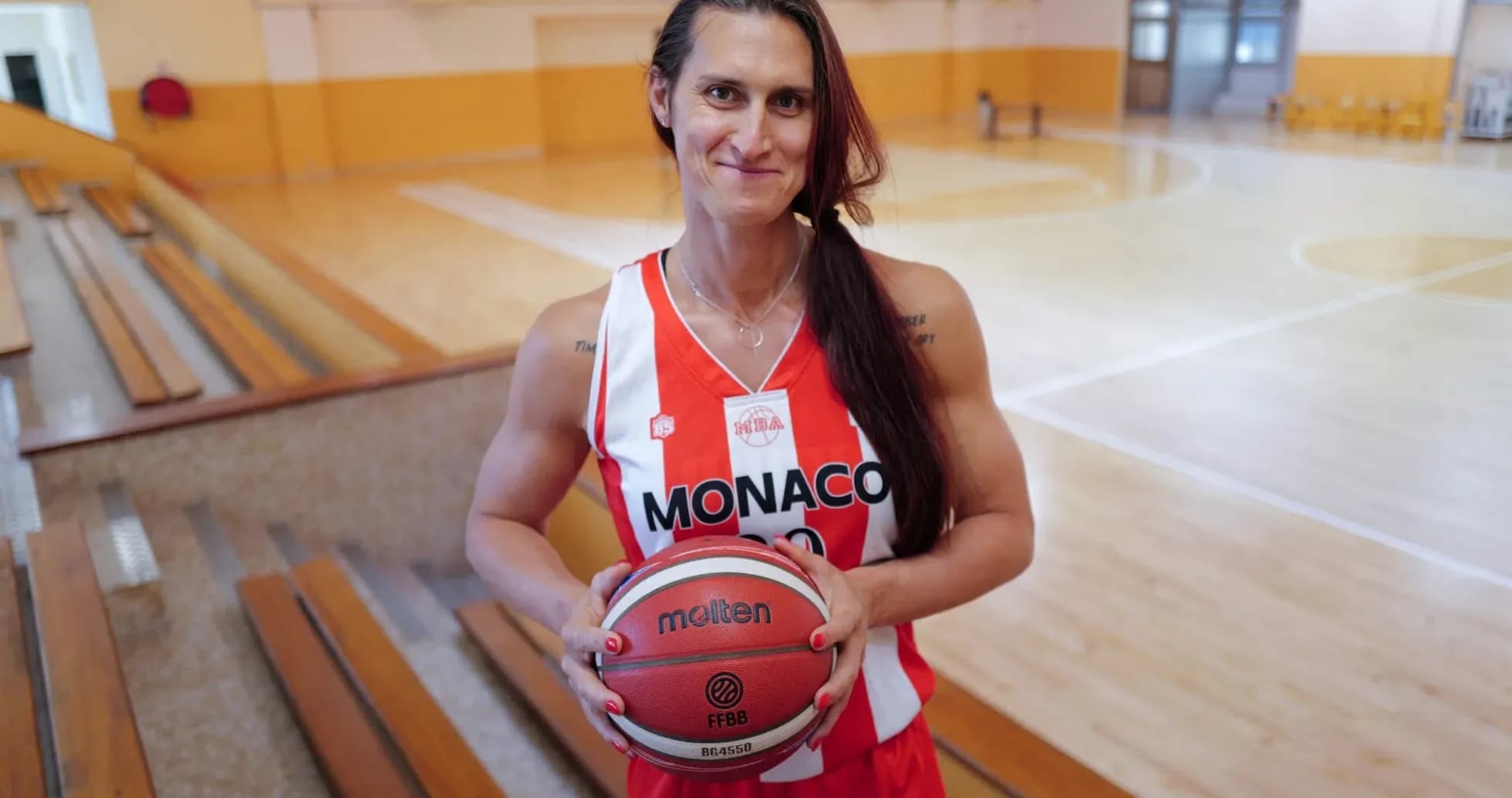
Julie Tetart is putting up numbers that don’t look real. The WNBA, though? That can wait.
After stepping away from basketball in 2021 to transition from male to female, Tetart came back in 2024 and walked straight into history as Monaco’s first openly trans athlete. She didn’t just return. She detonated.
With Monaco Basket Association in France’s second division, the 34-year-old is averaging 21.2 points and 20.2 rebounds per game. Those are video-game stats, the kind that ricochet around social media and drag a relatively modest French club into the global conversation.
That’s exactly what happened. Clips, graphics, arguments. And soon enough, the three letters appeared: WNBA.
Viral numbers, distant league
The online debate moved quickly. Too quickly. As Tetart’s performances went viral, posts began circulating claiming she had filed paperwork for the WNBA Draft. Right now, none of that is backed up by any verifiable information. No documents. No confirmation. No franchise stepping forward.
Tetart herself has been clear: playing in America would be a dream. She isn’t closing the door if a team ever calls. But she also isn’t pretending the odds are anything but tiny.
At 34, with the WNBA’s talent pool deeper and more athletic every year, she openly acknowledges the gap. The league’s stance on trans players remains unresolved, and no front office has expressed concrete interest. Strip away the noise, and a move to the United States looks highly improbable.
For now, the fantasy belongs to the timeline, not to her daily reality.
Eyes on France, not America
Tetart’s present is rooted firmly in Monaco and in a very simple objective: make the playoffs.
Monaco are battling for a postseason spot in France’s second tier, and that race is consuming her attention. Every rebound, every put-back, every defensive stand matters more to her than hypothetical flights to Chicago or Las Vegas.
In a recent interview with French media, the conversation turned not to the WNBA, but to the next logical steps at home: the elite division of women’s basketball in France and a possible call-up to the national team.
“It would already be huge for me,” she said of that scenario. Then came the realism that has quietly undercut the frenzy around her name. She pointed out that there are “many more young people, stronger than me.” No self-mythologizing, no grand declarations. Just a veteran who understands the ladder she’s trying to climb.
Between hype and hard reality
The contrast is stark. Online, Tetart is framed as a lightning rod in the global gender and sport debate, a potential WNBA test case before the league has even clarified its position. On the court, she is simply a dominant interior force trying to drag Monaco into the postseason and, maybe, into the top flight.
Her numbers demand attention. Her situation demands nuance.
For all the noise, nothing concrete ties her to the WNBA. No franchise has picked up the phone. The league has yet to outline a formal stance that would shape any future move. Right now, the most realistic next chapter for Tetart is not in New York or Los Angeles, but in France’s premier division or, if her level holds, in a national team jersey.
The dream of America lingers in the background, distant and romantic. The grind in Monaco is real, immediate, and measurable. And that, for the moment, is where Julie Tetart is choosing to live.