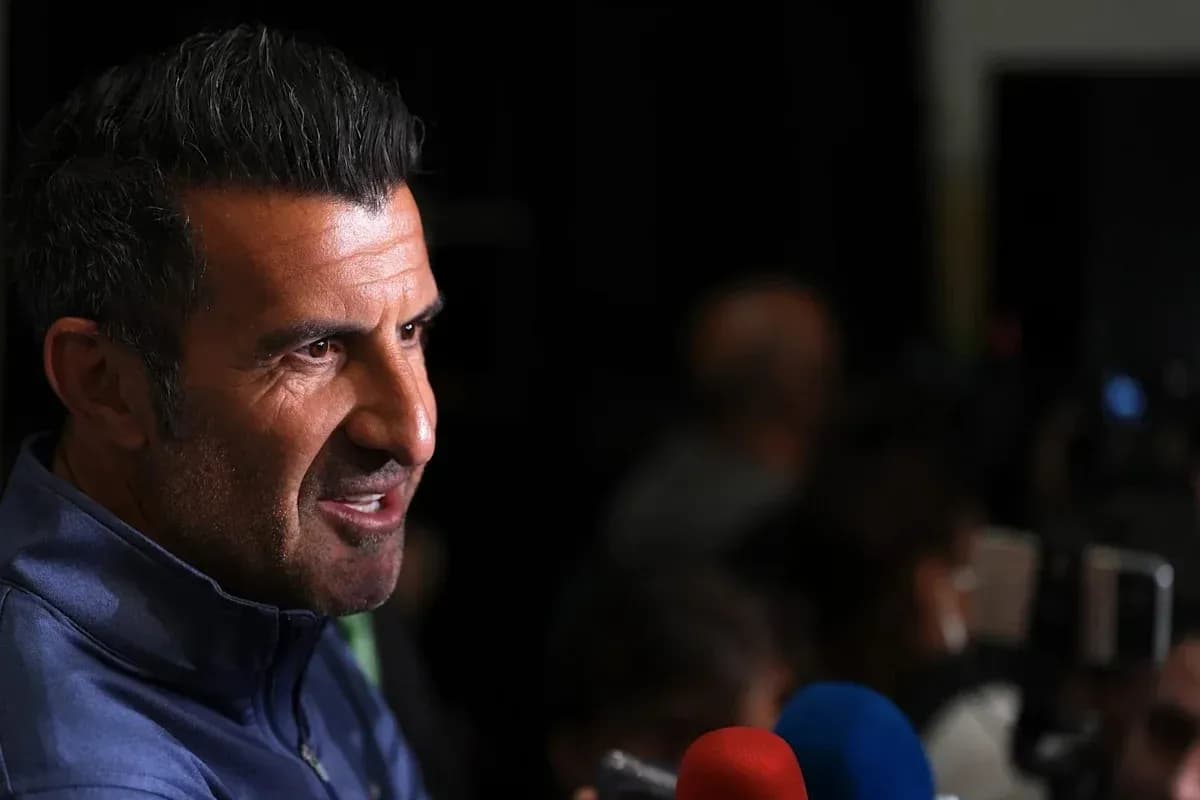
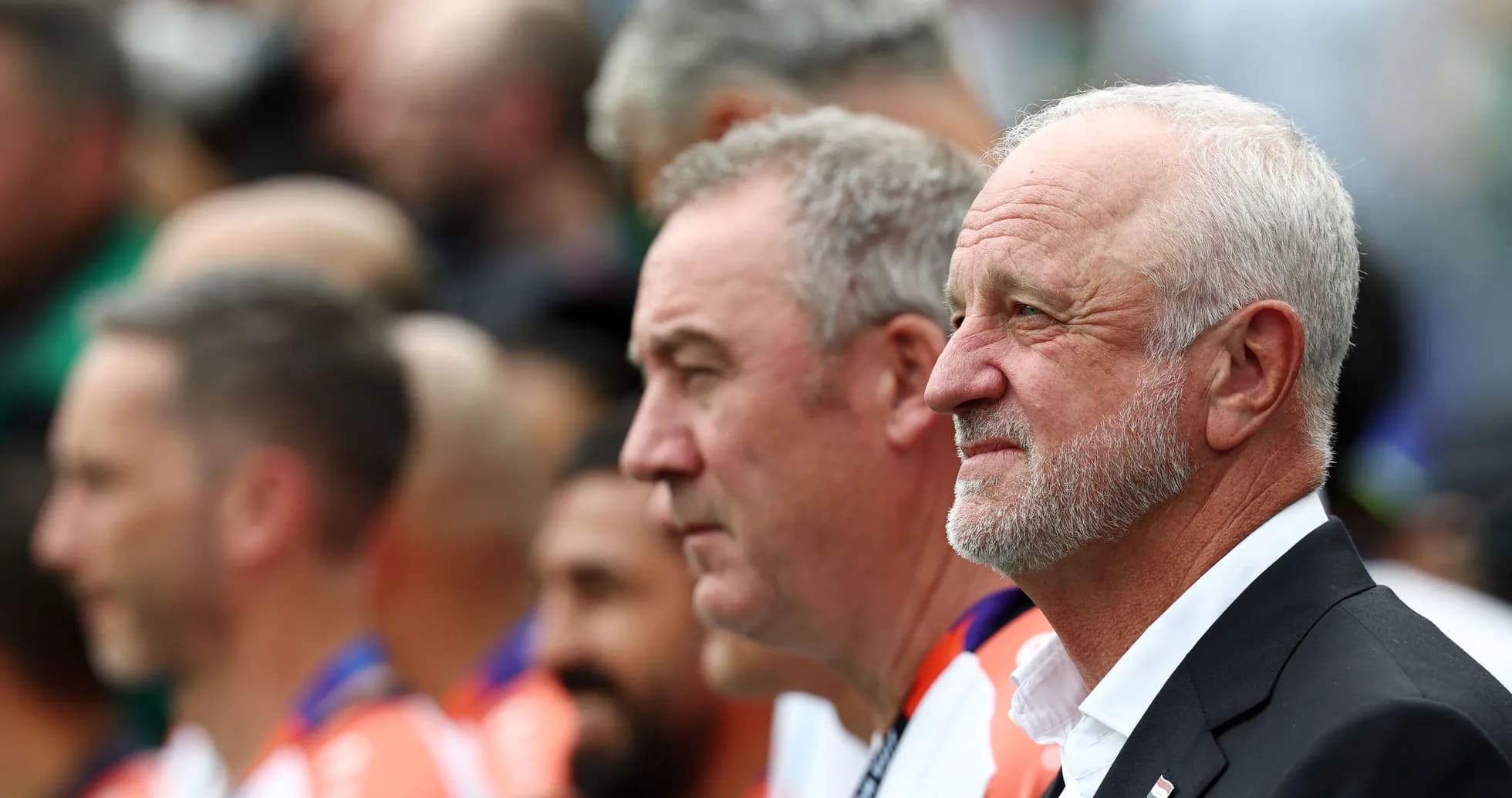
José Mourinho Blames Referee After Derby Loss

The Madrid derby was barely cooling when José Mourinho reached for one of the oldest tools in his armoury: the referee.
Real Madrid’s defeat to Atlético Madrid has reopened a familiar front for the Portuguese coach, who placed Miguel Ángel Ortiz Arias at the centre of his post-match inquest. The performance of his players shared the stage, but in Mourinho’s version of events, the referee’s decisions shaped the night.
It was a throwback. And in Spain, everyone noticed.
On Cope’s “Tiempo de Juego”, journalist Paco González did not spare the referee, but he saved his sharpest words for Mourinho. The coach’s discourse, he argued, felt like a time machine.
“Mourinho has reappeared. I don't know how many years have passed since then. The blame for the defeat falls on the referee,” González said, drawing a straight line back to the Portuguese’s first spell at the Bernabéu, when every setback seemed to come with an accompanying dossier on officiating.
González did acknowledge that Mourinho had grounds for frustration over some first-half incidents, actions that could have drawn cards and changed the tone of the game. The complaints were not entirely invented. The pattern, though, was all too familiar.
Mourinho did not stop at the decisions made during the 90 minutes. He went further, questioning how Ortiz Arias had been appointed to such a high-stakes fixture in the first place. For him, the problem started before kick-off.
González was scathing on that point. “I don't know if they've hired a scriptwriter for Real Madrid TV,” he said, mocking what he sees as a constructed narrative around referees and persecution.
From there, the debate moved beyond a single derby and into the heart of Real Madrid’s current project. For González, the issue is not only what Mourinho says after games, but what his very presence on the bench represents.
Real Madrid, he argued, “needed a modern coach, but hired a coach from 15 years ago.” Keep circling back to the referee, he warned, and the club avoids the real questions: the team’s level, its structure, and the footballing reasons behind this defeat.
This loss is Madrid’s second in the opening seven rounds of La Liga. It is not a crisis, but it is a jolt. The early-season table is beginning to take shape, and every dropped point carries more weight when you are expected to set the pace.
For Mourinho, the derby has snapped a spell of relative calm. Since returning to the club, his public tone had been notably more measured, his press conferences less combustible than in his first era. That truce with the media and the refereeing establishment did not survive the heat of the Calderón clash.
Now the old Mourinho is back in the headlines, the old arguments dusted off, the old battle lines redrawn. The question hanging over Madrid is whether this is just a one-night eruption after a painful defeat, or the start of another long season in which the referee’s name is spoken almost as often as his own.