Jonathan Kuminga Chooses Minnesota Timberwolves Over Lakers
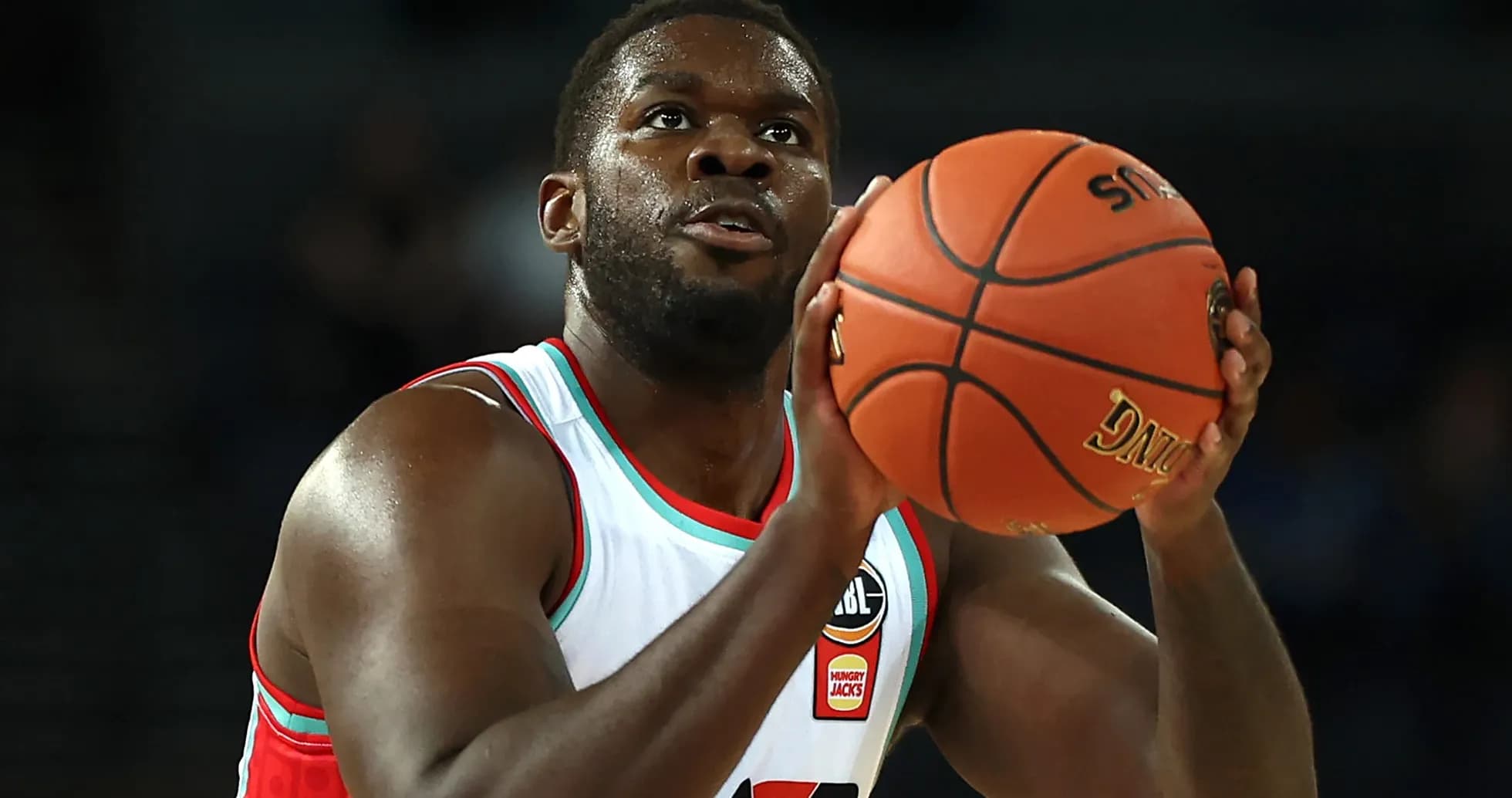
Jonathan Kuminga picked his side. And it wasn’t the one most people expected.
For weeks, the forward looked nailed on for the Los Angeles Lakers. A starting spot, a bigger offer on the table, the lights of L.A., and the chance to run with Luka Doncic and Austin Reaves. On paper, it felt inevitable.
He walked away.
Kuminga instead signed a two-year deal with the Minnesota Timberwolves, turning down a more lucrative offer from the Lakers because he wanted what he called “a winning culture.” In his eyes, that lived in Minnesota.
That line landed like a jab at a franchise that built its identity on banners and legends. But as Ryan Ward of Sports Illustrated pointed out, Kuminga’s thinking may actually explain why the Lakers were right to let him go.
“Although on paper, Kuminga seemed like the right choice for the Lakers, as he’d easily slip into the starting lineup right away with Luka Doncic and address a need, these quotes from him might be pretty telling in terms of where his head is at ahead of the 2026-27 campaign,” Ward wrote.
The Lakers’ pitch was clear: come to L.A., start on the wing, flank Doncic and Reaves, and help fill a glaring athletic void on the perimeter. That’s not a minor role. That’s a runway.
Minnesota countered with something different: a core that already features Anthony Edwards and now LaMelo Ball, a team that looks built to climb the Western Conference standings in a hurry. On recent form, the Wolves’ trajectory is hard to ignore. Historically, of course, “winning culture” has belonged in Los Angeles, not Minneapolis. But players live in the present, not in the rafters.
A Gamble the Lakers Didn’t Make
Strip away the noise and the basketball fit for Kuminga remains a complicated puzzle.
He’s 23, long, explosive, and versatile on both ends. On the surface, he checks every modern-wing box. The Lakers have been hunting that archetype all offseason. Slotting him next to Doncic would have given them a young, athletic forward who could defend multiple positions and run the floor.
Yet every stop so far has raised the same question: where does he truly fit?
Golden State, a franchise that prides itself on development and structure, ultimately decided not to build around him. The Warriors moved on. Atlanta took a look, then declined his team option, opening the door for his move to Minnesota.
“One major red flag for Kuminga is that the Golden State Warriors and Atlanta Hawks didn’t want him on their teams long-term,” Ward noted. “It’s not to say; a change of scenery can alter how a player is perceived, but two teams giving up on a 23-year-old might be a sign that a player can be a problem.”
That’s the risk the Lakers stared at. Tremendous upside, but with questions about consistency, role acceptance, and long-term commitment from previous teams. For a franchise trying to reset around Doncic, they couldn’t afford a major miss on a core piece.
They liked him. They didn’t need him.
L.A.’s front office clearly viewed the starting center spot as the real emergency, with Walker Kessler looming as the priority. The fact they didn’t rush to close the deal with Kuminga, even with a positional need on the wing, says plenty. They were interested, not desperate.
Life After Kuminga
So where does that leave the Lakers’ wing rotation?
For now, with Quentin Grimes.
Brought in this summer, Grimes currently occupies the starting wing role that many assumed would belong to Kuminga. He’s shorter, not as physically imposing, but more seasoned and more predictable at this stage of his career.
Grimes doesn’t arrive with the same hype, but he does bring something the Lakers value: reliability. He has already shared a locker room with Doncic during a half-season stint with the Dallas Mavericks, which gives him a head start in understanding how to play off a heliocentric star guard.
If Kuminga represented a high-ceiling gamble, Grimes represents a steadier hand.
The Lakers can still dip back into the market if the right wing becomes available. They have flexibility to explore trades or mid-season moves, especially if the current mix around Doncic and Reaves doesn’t hold up against the West’s elite.
Kuminga, meanwhile, heads to a Wolves team that suddenly looks loaded with young star power. If he finally unlocks his game next to Edwards and Ball, the Lakers will have to live with watching that growth from afar.
If he doesn’t, they’ll quietly feel vindicated.
Either way, the choice has been made. Minnesota gets the bet on upside. Los Angeles keeps its powder dry and leans into fit, familiarity, and a more measured build around its new superstar. The next few seasons will decide which philosophy truly belongs to a “winning culture.”