Joachim Andersen's Surprising Role at Fulham
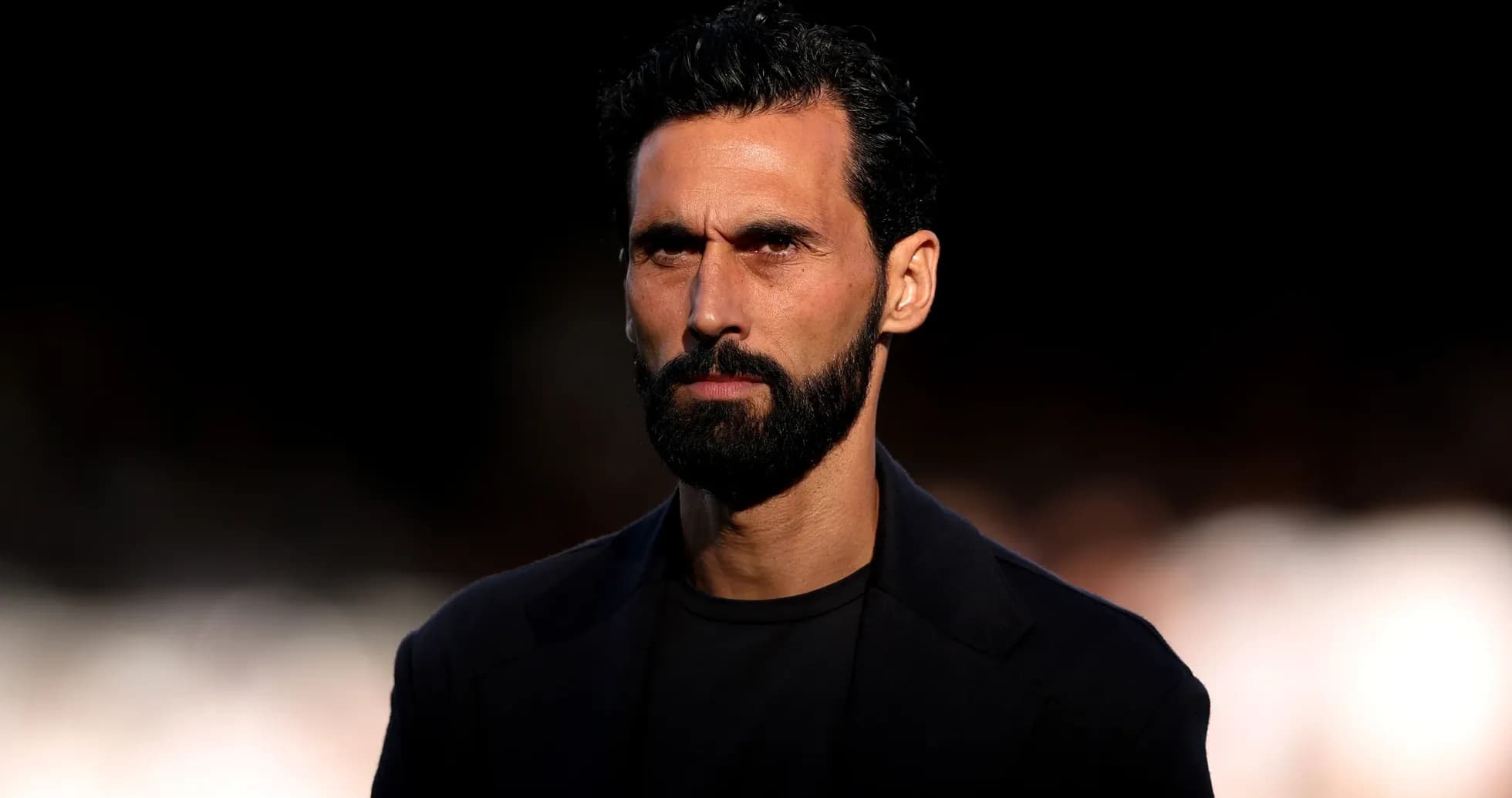
Joachim Andersen is not used to watching Fulham from the sidelines. Certainly not after captaining the team for large stretches of last season. Yet as the new campaign stutters into life, one of the club’s most senior figures finds himself reduced to cameos and questions.
And he has no clear answer why.
From captain’s armband to bench
Speaking to Danish media, Andersen did not hide his surprise at Alvaro Arbeloa’s recent decisions.
“I am a little surprised. Last season, I was captain in many matches,” he said, laying out the contrast without raising his voice.
The turning point came back in May. A red card then earned the centre-back a three‑match suspension, carrying over into the new season. When he finally returned, it was straight into the fire: Chelsea on opening day, a 3-2 defeat that set the tone for Fulham’s troubled start.
Arbeloa stuck with him for the next two league outings, against Sunderland and Crystal Palace. Then the axe fell. Andersen was left out for the Liverpool game, not because of injury, not because of any public fallout, but as part of a reshuffle from a manager scrambling for a response.
Ten minutes off the bench against Manchester United is all he has had since. For a player who wore the armband so often last year, that is a brutal comedown.
No war of words, but no clarity either
If Andersen feels aggrieved, he is keeping it tightly under control. There was no outburst, no pointed criticism, only a calm acknowledgement that he has been given little in the way of explanation.
“We lost the first three matches, and I was suspended for the first. Then the coach thought we needed to make changes. But I don’t have much to say about that,” he said.
The message is measured, but the subtext is clear: the decision is the manager’s, not his, and it has not been fully unpacked in private.
“I can’t do much, and I think I played brilliantly. Sometimes the coach wants to try something different, and that’s how things are.”
Those words carry a quiet defiance. Andersen is not picking a fight, yet he is not conceding that his level has dropped. In his mind, he has done his job. The rest lies with Arbeloa.
A personal issue inside a wider crisis
This is not just a story about one defender. It sits inside a much bigger problem.
Fulham have collected only two points from their first five Premier League matches. No wins. No momentum. No sense of a settled side.
Results like that turn every selection call into a flashpoint. Dropping last season’s de facto captain in the middle of a bad run only sharpens the focus on Arbeloa. If you are going to leave out a leader, the team has to improve. It hasn’t.
The pressure is building. The fixture list after the international break offers no comfort, only bigger tests and harsher scrutiny. Every choice will be judged against a simple backdrop: can this team finally win a game?
Decisions, identities, and the weeks ahead
For Arbeloa, the coming weeks are about more than just points. Fulham look unbalanced, uncertain, caught between ideas. They need structure. They need clarity. They need to know who they are.
That means tactical answers, yes, but it also means defining roles. Who are the pillars of this side? Who leads in the dressing room and on the pitch? Where does a figure like Andersen fit — former captain, now on the fringes?
The Dane has made his position plain: he believes he has performed well, he will not inflame the situation, and he will wait for his chance. The rest is up to a manager under strain, trying to reshape a team while the ground shifts beneath him.
At some point, Arbeloa must decide whether Fulham’s revival includes one of last season’s key lieutenants, or whether this quiet exile becomes a defining fault line in a campaign already threatening to unravel.