Jalen Green's Trade Dilemma: Suns Weigh Options for the Future
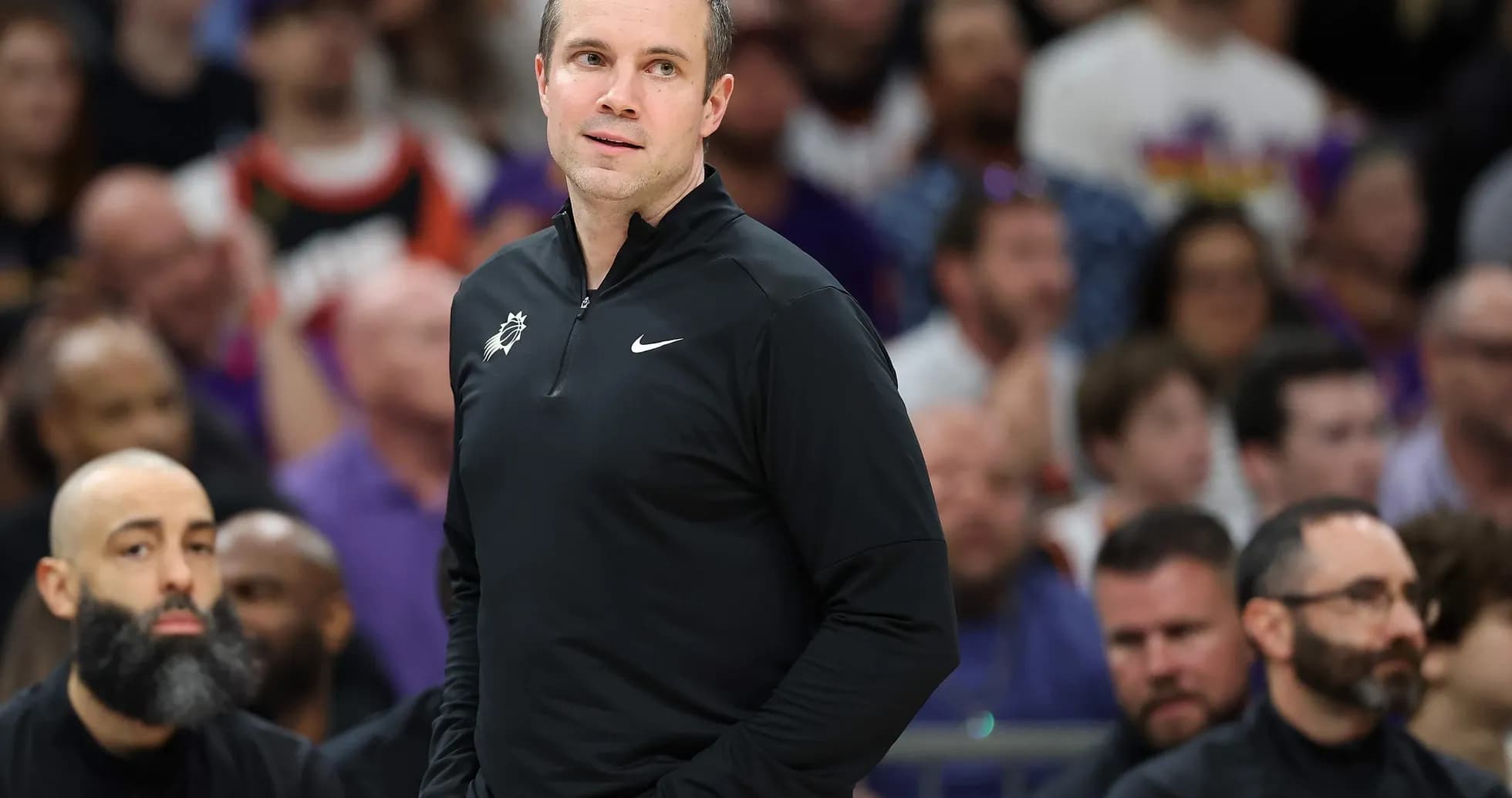
The 2026-27 NBA season is creeping closer, and front offices are running out of runway. Rosters are mostly set, but not quite locked. This is the window where uncomfortable questions get asked about fit, money and timelines.
In Phoenix, one of those questions now has a name: Jalen Green.
A Talent, But Not the Right Partner?
Greg Swartz of Bleacher Report has tagged Green as a “sneaky” trade candidate for the Suns heading into the new season, and the reasoning cuts straight to basketball reality: the fit next to Devin Booker simply hasn’t clicked the way Phoenix hoped.
The numbers tell the story. With Booker sharing the backcourt with Collin Gillespie, the Suns posted a net rating of plus-8.7, good for the 87th percentile. Swap Gillespie out for Green and that figure drops to plus-2.8, down to the 65th percentile. Same star, different partner, very different impact.
That kind of split gets noticed in a front office that’s chasing margins in the West.
Gillespie just signed a four-year, $48 million deal, a bargain role-player contract that pays him roughly a third of Green’s annual salary. When the cheaper guard produces the better on-court data next to your franchise cornerstone, the conversation shifts from “How do we make this work?” to “What can we get for him?”
What Green Still Brings
This isn’t about ability. Green remains a high-ceiling scorer with real juice.
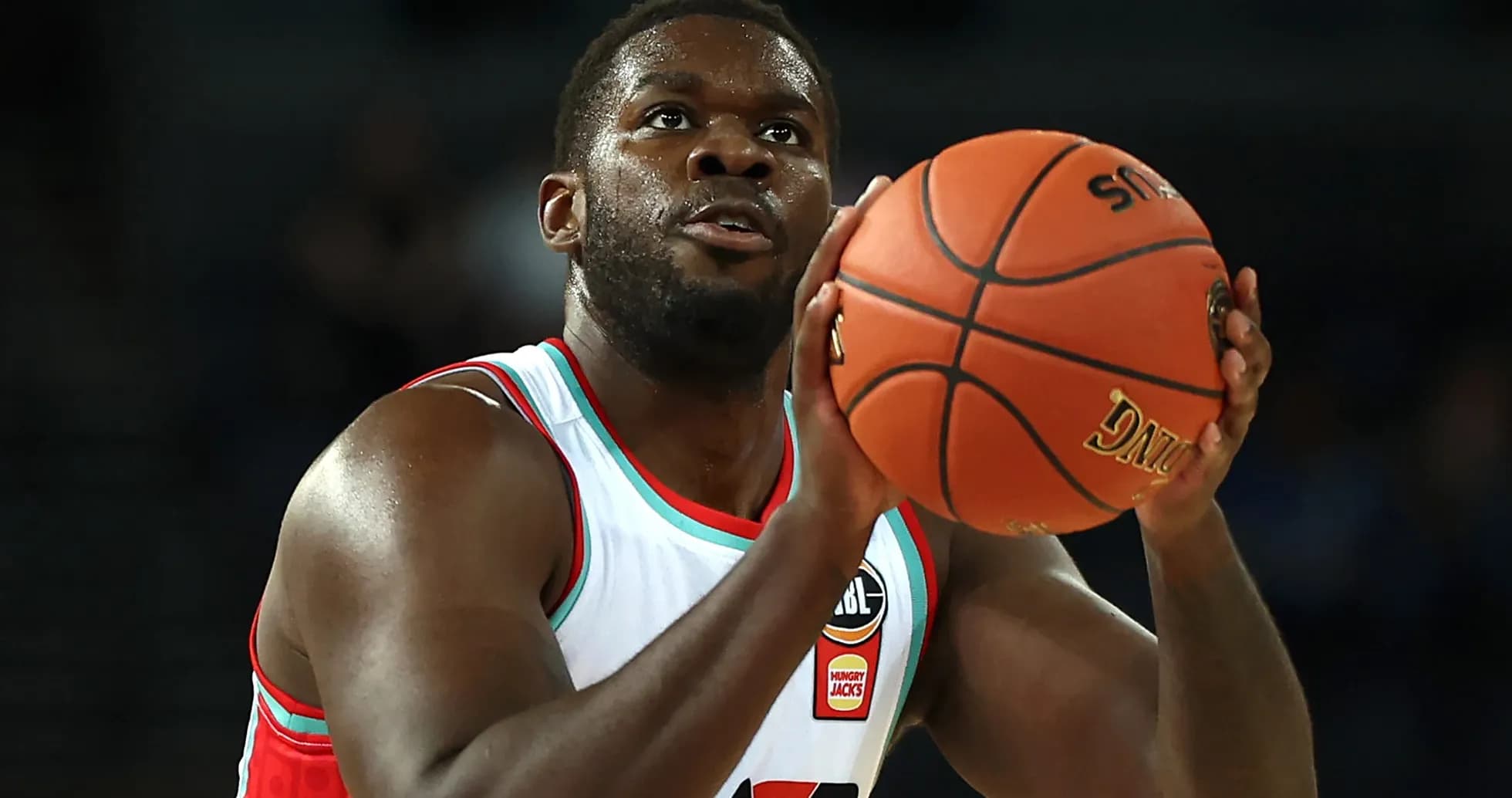
Last season with Phoenix, he averaged 17.8 points, 3.6 rebounds, 2.8 assists and 1.1 steals in just 25.9 minutes per game. That’s efficient volume in a compressed role, the kind of production that keeps rival general managers interested even when the fit is awkward in one particular backcourt.
At 24, he’s still more projection than finished product. The athleticism is there. The scoring pop is there. The sense around the league will be that his prime hasn’t even started yet.
That’s exactly why his name lands on trade boards.
The Contract Clock Is Ticking
Green’s situation is as much about timing and money as it is about on-court chemistry.
He’s in the middle of the three-year, $106 million rookie extension he signed with the Houston Rockets in October 2024. Two years remain on that deal with more than $72 million still owed. He’s set to earn $36.2 million in 2026-27 and then faces a $36 million player option for 2027-28.
That option looms large. Green could decline it and hit unrestricted free agency next summer, testing the open market at an age when many players are just starting to define who they are.
For Phoenix, that creates a clear dilemma. If the Suns don’t see him as a long-term piece next to Booker, holding on and hoping for a turnaround risks losing a valuable asset for nothing. Moving him now, when his age and scoring profile still carry strong league-wide appeal, might be the more ruthless — and smarter — play.
Who Could Come Calling?
Swartz pointed to three teams as logical suitors: the Brooklyn Nets, Los Angeles Clippers and Dallas Mavericks.
Brooklyn, trying to claw its way back into relevance, could use Green as an upgraded version of Cam Thomas — a scorer who can create his own shot but with more pedigree and, in theory, more two-way upside. For a Nets team searching for identity and punch, that kind of offensive engine has real value.
The “new-look” Clippers present a different kind of opportunity. Green alongside Darius Garland in the backcourt offers a dynamic, attack-minded pairing, with Garland orchestrating and Green hunting gaps and mismatches. It’s the type of combination that could reset an offense on the fly.
Dallas, always on the lookout for more help around Luka Dončić and Kyrie Irving, would view Green as backcourt scoring insurance and balance. A bench flamethrower who can tilt a game in a few possessions, or a third guard who lightens the scoring load over an 82-game grind, has clear appeal for a team with championship ambitions.
None of those scenarios are guaranteed. But they frame the market: teams that need scoring, have some flexibility, and are willing to bet on upside.
Phoenix’s Call
So where does that leave the Suns?
They have a star in Booker who needs the right defensive and playmaking support, not just another high-usage scorer in the same spaces. They have a cheaper guard in Gillespie whose minutes next to Booker have yielded better results. They have a cap sheet that doesn’t allow for sentimental decisions.
And they have Jalen Green — 24 years old, explosive, productive, expensive, and possibly miscast in this particular backcourt.
Phoenix can ride it out and hope the fit sharpens with time. Or it can lean into the data, accept that value is highest before uncertainty about his player option hits, and see what a scoring guard with his profile can fetch on the open market.
If the Suns truly believe Green isn’t part of their long-term backcourt answer, the real question isn’t whether to test the trade waters.
It’s how long they can afford to wait.