
Italy's 3-1 Victory Over France: A Landmark Performance
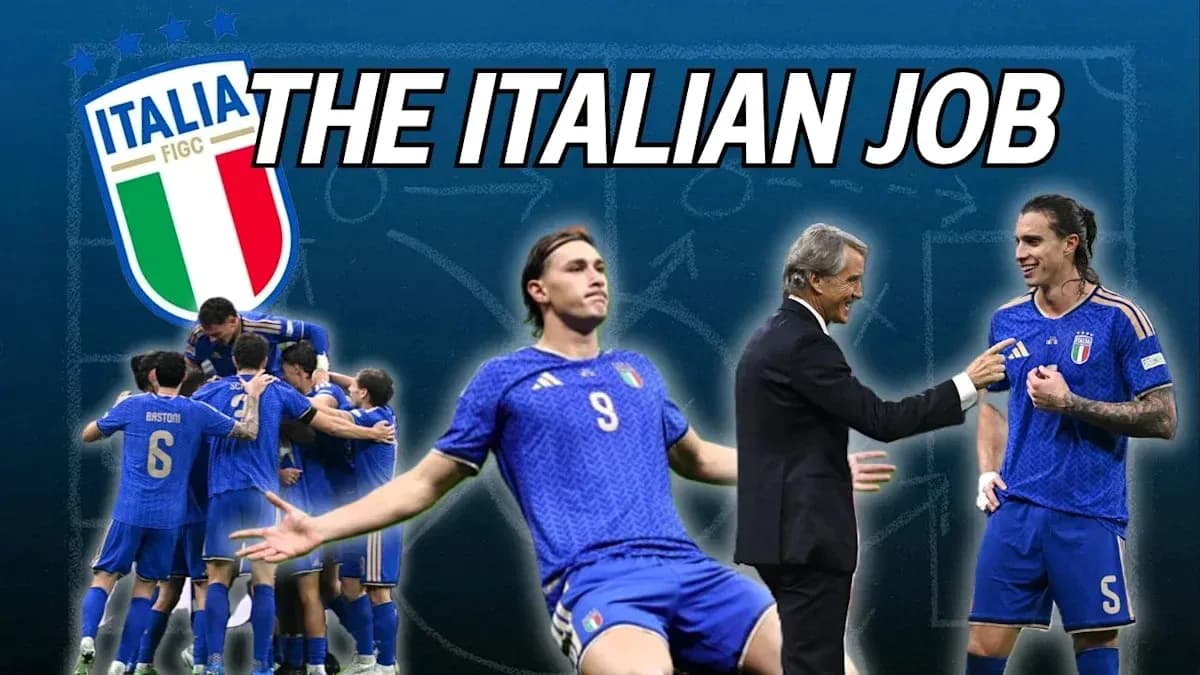
Italy’s 3-1 win over France didn’t just light up San Siro. It detonated across the country’s front pages.
On a cold November night in Milan, Roberto Mancini’s side dismantled one of world football’s great reference points, and the Italian press woke up purring over an Azzurri performance that felt like more than three points in the UEFA Nations League 2026/27 group phase. It felt like a statement.
Azzurri rise to the occasion
From Milan, Lorenzo Bettoni walked through the reactions of newspapers still intoxicated by what they had seen. The tone was clear: this was not a smash-and-grab. Italy went toe-to-toe with France, then pushed them back.
The headlines homed in on personality as much as tactics. Mancini’s team, criticised in recent years for inconsistency and a lack of cutting edge, showed both courage and control against one of the world’s deepest squads. The result: a 3-1 scoreline that looked, to many columnists, fully deserved.
The papers picked out the “winners” of the night, those who tilted the contest in Italy’s favour. Energy, aggression, and technical quality all came under the microscope, with special praise reserved for those who refused to be overawed by the names on the opposite team sheet.
Pio Esposito and a goal for the new era
One image dominated the sports pages: Pio Esposito racing away in celebration at San Siro, arms wide, teammates flooding towards him after Italy’s third goal.
That moment, captured under the lights in Milan, crystallised what the media wanted to say. This was not just about veterans holding the line. It was about a new generation stepping into the noise, under pressure, and delivering.
Esposito’s strike didn’t merely kill the contest; it symbolised a bolder, more assertive Italy. Commentators framed it as the goal that turned a big win into a landmark one, the point at which France were not just beaten, but beaten convincingly.
Behind the headlines
The analysis did not stop at the scoreboard. Bettoni highlighted how Italian outlets dug deeper, beyond the obvious heroes, to spotlight the details that define a great international performance.
Which players quietly dictated the rhythm? Who took responsibility in difficult phases? Which individual duels tilted the balance? The morning papers were filled with those questions, and many of the answers were flattering for Mancini’s men.
The coverage also lingered on the collective. Italy’s defensive shape, their bravery in possession, and their willingness to press high against a side famed for punishing mistakes all earned admiring reviews. This, the media insisted, looked like a team with a clear idea and the personality to carry it out.
The penalty miss that told another story
Not every key moment went Italy’s way. Sebastiano Esposito’s missed penalty in the second half could have shifted the narrative. It didn’t.
The newspapers and Bettoni’s report both treated that episode as a revealing snapshot of the team’s mentality. What happened before he placed the ball on the spot? Who spoke to him? Who stepped aside to let him take it? Those small interactions, easy to miss on television, became part of the wider story of trust and hierarchy within the squad.
The miss itself, frozen in another striking image from San Siro, might have haunted a different Italy. This one absorbed it, reset, and finished the job. That resilience drew almost as much praise as the goals.
What the cameras didn’t catch
Bettoni also pointed to three moments that slipped past the live broadcast but not the journalists in the stands.
Off-the-ball exchanges, gestures between teammates, and subtle instructions from the bench fleshed out the narrative of a group that looked united and fully locked into Mancini’s plan. These behind-the-scenes details fed into the idea that Italy’s triumph over France was no fluke performance stitched together by individual brilliance, but the product of a coherent, confident unit.
From the touchline to the technical area, from senior figures to emerging talents, the message was consistent: everyone knew their role, and everyone bought in.
By the time the ink dried on the morning editions, Italy’s 3-1 victory had been framed as one of those nights that can bend the arc of a campaign. The scoreline will sit in the record books; the questions now sit ahead.
If the Azzurri can play like this against France at San Siro, what ceiling really remains for this team in the Nations League and beyond?





