Islam Makhachev Sets New UFC Record and Challenges Jon Jones
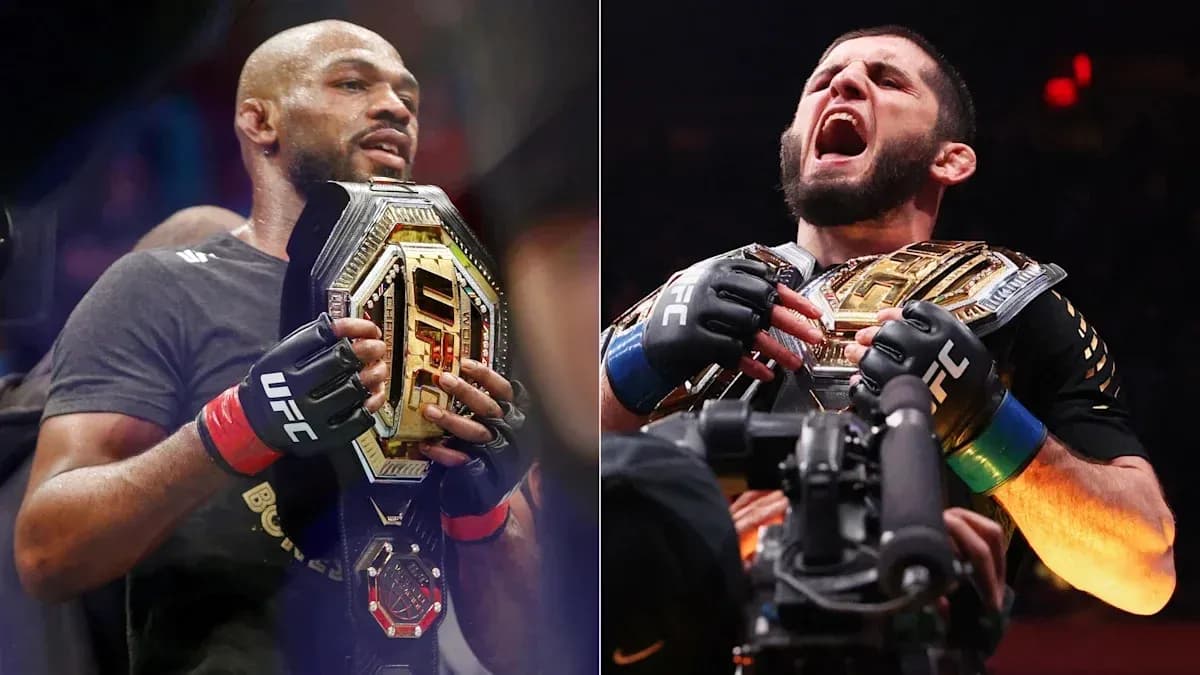
Islam Makhachev isn’t backing down from the numbers. Or from Jon Jones.
Fresh off setting a new benchmark for consecutive UFC victories, the reigning welterweight champion has drawn a hard line in one of MMA’s most loaded debates: whose run truly stands tallest inside the octagon?
Makhachev plants his flag
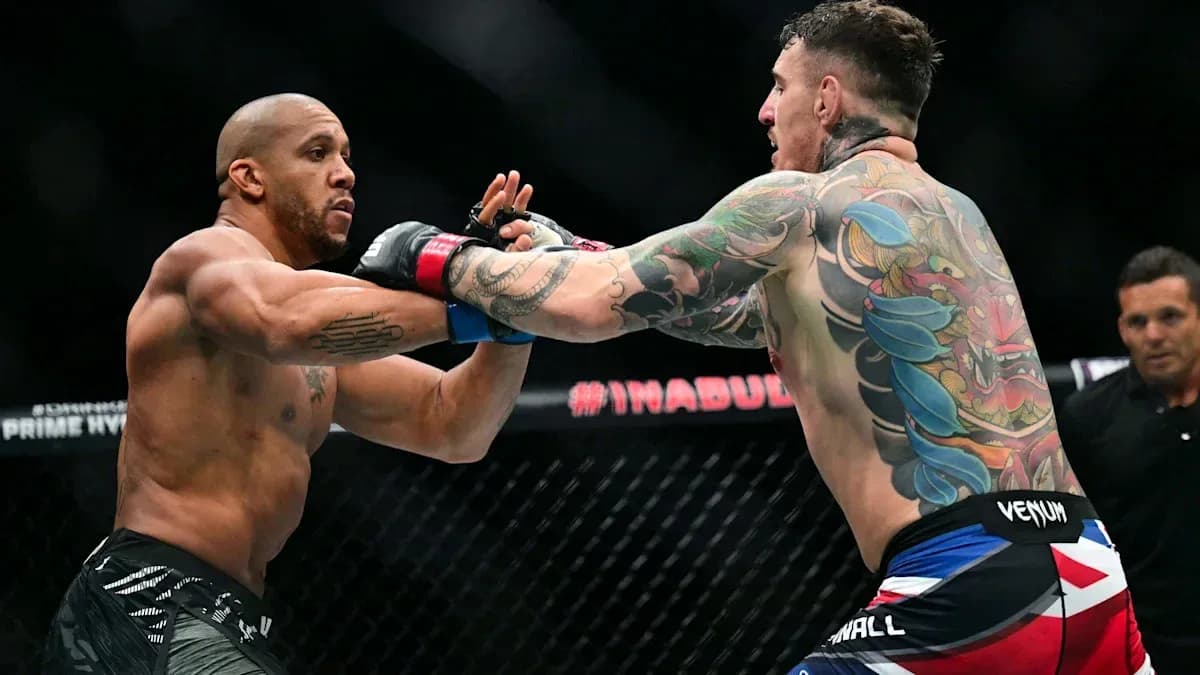
Makhachev’s win over Ian Machado Garry at UFC 330 in August did more than secure another title defense at 170 pounds. It pushed him to 17 straight wins under the UFC banner, breaking the long-standing record of 16 held by Anderson Silva, a mark that had survived untouched for more than a decade.
On paper, that gives Makhachev the longest official winning streak in UFC history.
But the conversation never stops at the record book. Not when Jon Jones exists.
Jones has gone 20 consecutive fights without a loss dating back to December 2009. The lone interruption: a no contest in his July 2017 rematch with Daniel Cormier at UFC 214, a fight Jones initially won by knockout before the result was overturned following a failed drug test.
For many, that 20-fight unbeaten run is the real gold standard. Makhachev doesn’t see it that way.
“That’s where a new count should have started”
Speaking in Russian to Ushatayka, Makhachev acknowledged Jones’ stature but drew a sharp distinction when it comes to legacy.
"I'm not denying that Jon Jones is one of the greatest athletes in history," Makhachev said. "But he was caught doping twice, and I think that's why his streak isn't considered valid.
"Because he went into a fight while on PEDs and won. That's where a new count should have started."
In Makhachev’s eyes, the failed tests don’t just blemish isolated nights. They cast a shadow over the entire run. The numbers might sit beside each other in UFC history, but he’s arguing they don’t belong in the same category.
The remark cuts straight into one of the sport’s most sensitive arguments: how to weigh greatness when anti-doping violations enter the picture.
A charge that cuts both ways
Those words won’t land quietly. Critics will immediately point back at Makhachev himself.
In 2016, Makhachev failed an anti-doping test, a mark that has followed him through his rise. That history makes his stance on Jones easy ammunition for anyone eager to call him a hypocrite.
But the UFC’s own anti-doping chief has since gone on record to reframe that episode. Jeff Novitzky, the promotion’s senior vice president of anti-doping compliance, said in May 2024 that Makhachev’s 2016 result was "one of the greatest, colossal mistakes in anti-doping" when he presented the champion with a jacket commemorating 50 clean tests in the program.
That endorsement doesn’t erase the controversy, yet it does change the tone. Makhachev now speaks from the position of a champion officially cleared, statistically spotless for years, and carrying the longest winning streak the UFC recognizes.
What comes after the record
The Russian’s focus is not stuck in the past, though. With the Garry fight behind him and the record in his pocket, Makhachev is already eyeing the next defense of his welterweight crown.
He has targeted a return in January or even earlier, depending on the outcome of recent MRI scans on potential injuries from UFC 330. If the medical news lands the way he hopes, the man who just broke Anderson Silva’s mark intends to be back in the cage sooner rather than later.
The streak stands at 17. The debate with Jon Jones will rage far beyond that number.
The only question now is how far Makhachev can push it before anyone, even his fiercest detractors, has to admit the record speaks louder than the argument.