Ireland vs Israel Nations League: A Clash Beyond Football
The Republic of Ireland’s Nations League meetings with Israel were already politically charged. They are now engulfed in open hostility.
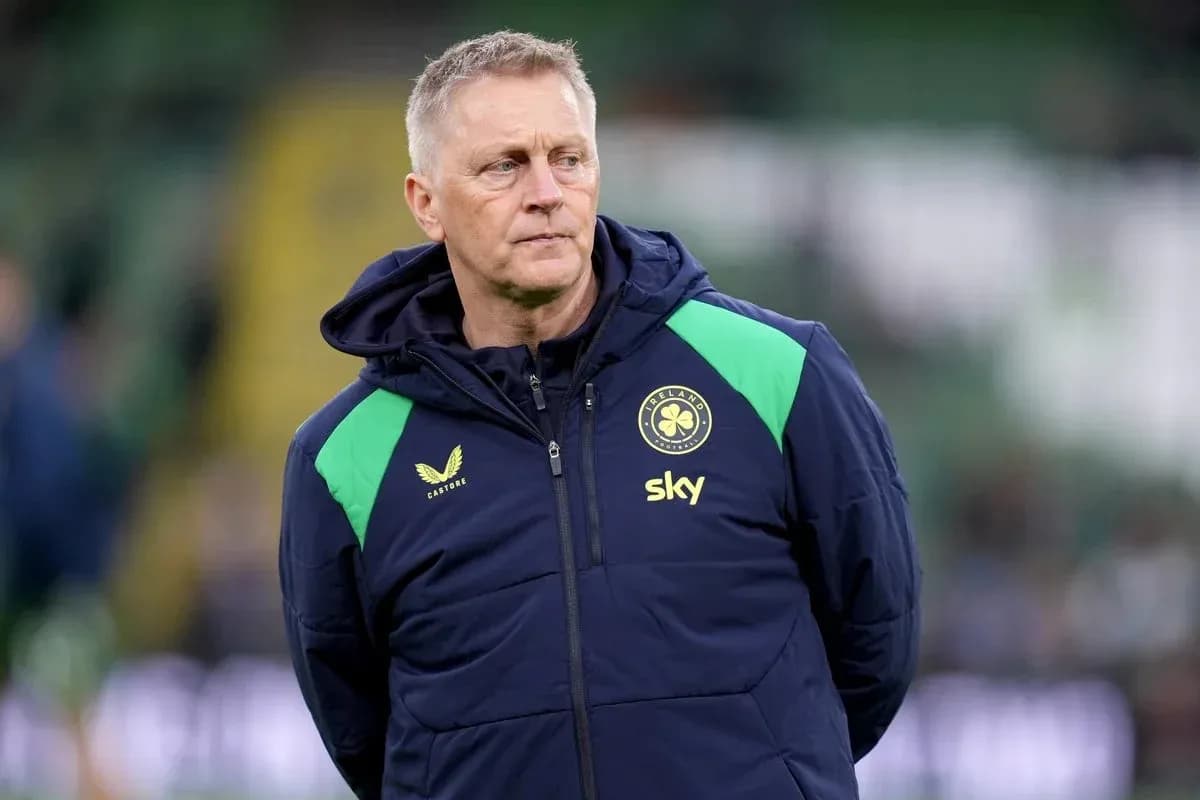
On one side stands Ireland head coach Heimir Hallgrimsson, who said his team would be “playing against genocide” when they face Israel in a double header later this month. On the other, the Israel Football Association, which responded by accusing him of “hypocrisy and stupidity” in a blistering public rebuke.
This is no longer just a fixture list. It is a fault line.
“We’re playing against genocide”
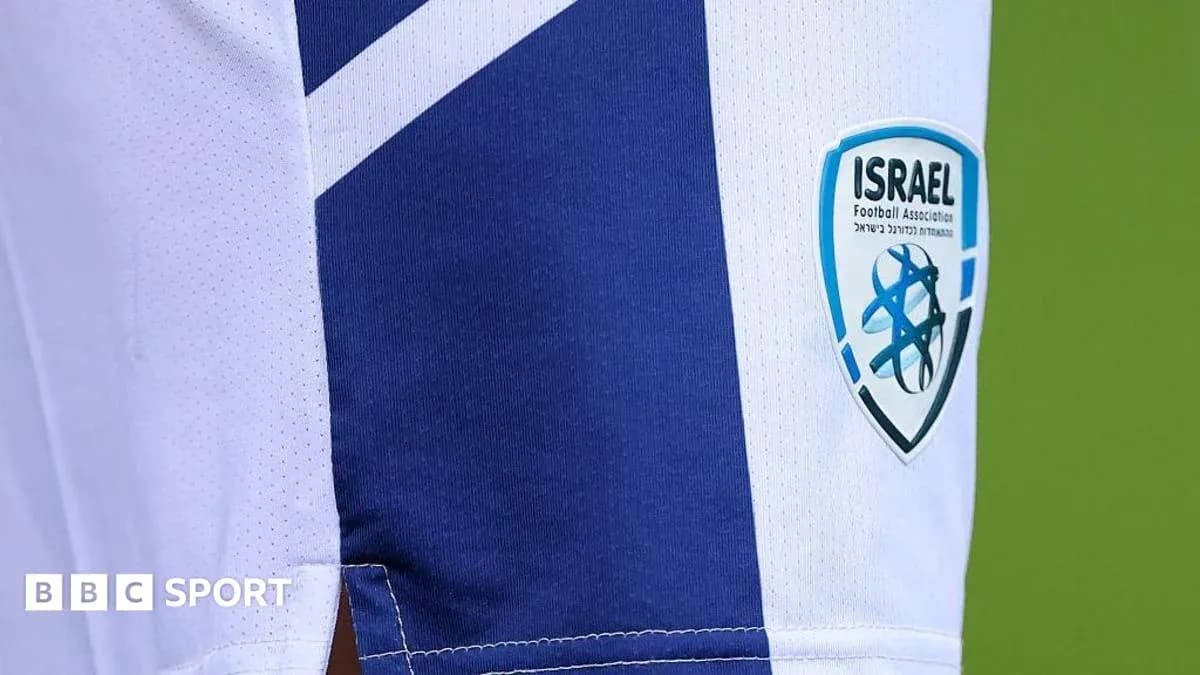
Ireland and Israel have been drawn together in the Uefa Nations League, with both fixtures moved to neutral venues on security grounds. The first match is set for 27 September in Hungary, with the return game to be staged in Serbia.
The Football Association of Ireland (FAI) has confirmed it will fulfil both fixtures despite mounting pressure from campaigners at home to boycott the games. That tension framed Hallgrimsson’s comments when he named his squad at the weekend.
“None of us feel comfortable playing in these games,” he admitted. Asked how his players could focus amid calls for a boycott, he drew a stark line: “We’re not playing with genocide, we’re playing against genocide. We’re playing against Israel, we’re not playing with Israel.”
Those words travelled quickly. The reaction was immediate – and ferocious.
Israel FA hits back
Late on Monday, the Israel FA issued a statement on social media that went far beyond the usual diplomatic language of governing bodies.
“We have contributed to the world and humanity in countless fields, earning an impressive number of Nobel Prizes along the way,” it began, before turning directly on the Ireland manager. “Unfortunately, we have not yet found a cure for stupidity, ignorance and hypocrisy displayed by @IrelandFootball team coach.
“We’re not playing with ignorance, hypocrisy and stupidity, we're playing against the coach who embodies them.”
The FAI has not responded to those remarks.
The row plays out against the backdrop of Israel’s war in Gaza and the global debate over whether its actions amount to genocide – a charge the Israeli government has vehemently denied since its military response to the Hamas attacks of 7 October almost three years ago, when about 1,200 people were killed and 250 taken hostage.
According to figures used by the United Nations, more than 70,000 Palestinians have been killed in Gaza since then. Those numbers hang heavily over every discussion of these games.
FAI under siege at home
Inside Ireland, the pressure on the FAI is intensifying.
The association has already argued that refusing to play Israel would have a “profound impact on the whole of Irish football”. Forfeiting Nations League points, it says, could damage Ireland’s chances of reaching Euro 2028 – a tournament they will co-host – and affect qualification routes for future World Cups.
The FAI has not been silent on Israel’s place in European football. It wrote to Uefa last November calling for the immediate suspension of the Israel FA. It has also asked Uefa to ensure the Republic of Ireland and Israel are kept apart in future draws.
That request was rejected. The FAI says it was told the separation criteria did not apply because the two countries have “never been in direct conflict”.
Uefa, for its part, has stressed that it applies pairing restrictions only in specific circumstances.
“Decisions to avoid certain teams being drawn against each other are made taking into consideration several factors, especially conditions between the two countries leading to structural risks for security,” a Uefa spokesperson said. “Uefa handles every situation very carefully on its own merits and monitors all facts and developments.”
For now, that means the games go ahead.
Athletes, ex-players and protesters push back
Away from the boardrooms, opposition is gathering.
More than 160 Irish sportspeople have signed an open letter from the Irish Sport for Palestine Group, urging the FAI to reconsider its decision to play Israel.
“This is a significant moment and with this moment you have an opportunity to do the right thing,” the letter states. “Not playing the game would be the most sporting thing you could do.”
The protest has drawn support from former Republic of Ireland players too. Kevin Kilbane, who won 110 caps, wrote in the Irish Times that Ireland “should not be playing Israel. Not in Dublin, not in Hungary, and definitely not a ‘home’ match in Serbia. Not while Israeli forces are committing genocide.
“We as Irish people could have faced down the consequences together. The FAI would have had my support as a former international.”
On Monday evening, the dissent moved from print and petitions to the street. A group of protesters gathered outside the Ireland team hotel in Dublin, calling on the FAI to reverse course and refuse to play.
Inside that building, players and staff are preparing for a Nations League campaign. Outside it, the argument is whether those preparations should be happening at all.
The first whistle in Hungary will not just start a football match. It will test how far a national team, and its governing body, are willing to go when sport collides head-on with the politics of war.