Iraq's Bold New Era at the Arabian Gulf Cup
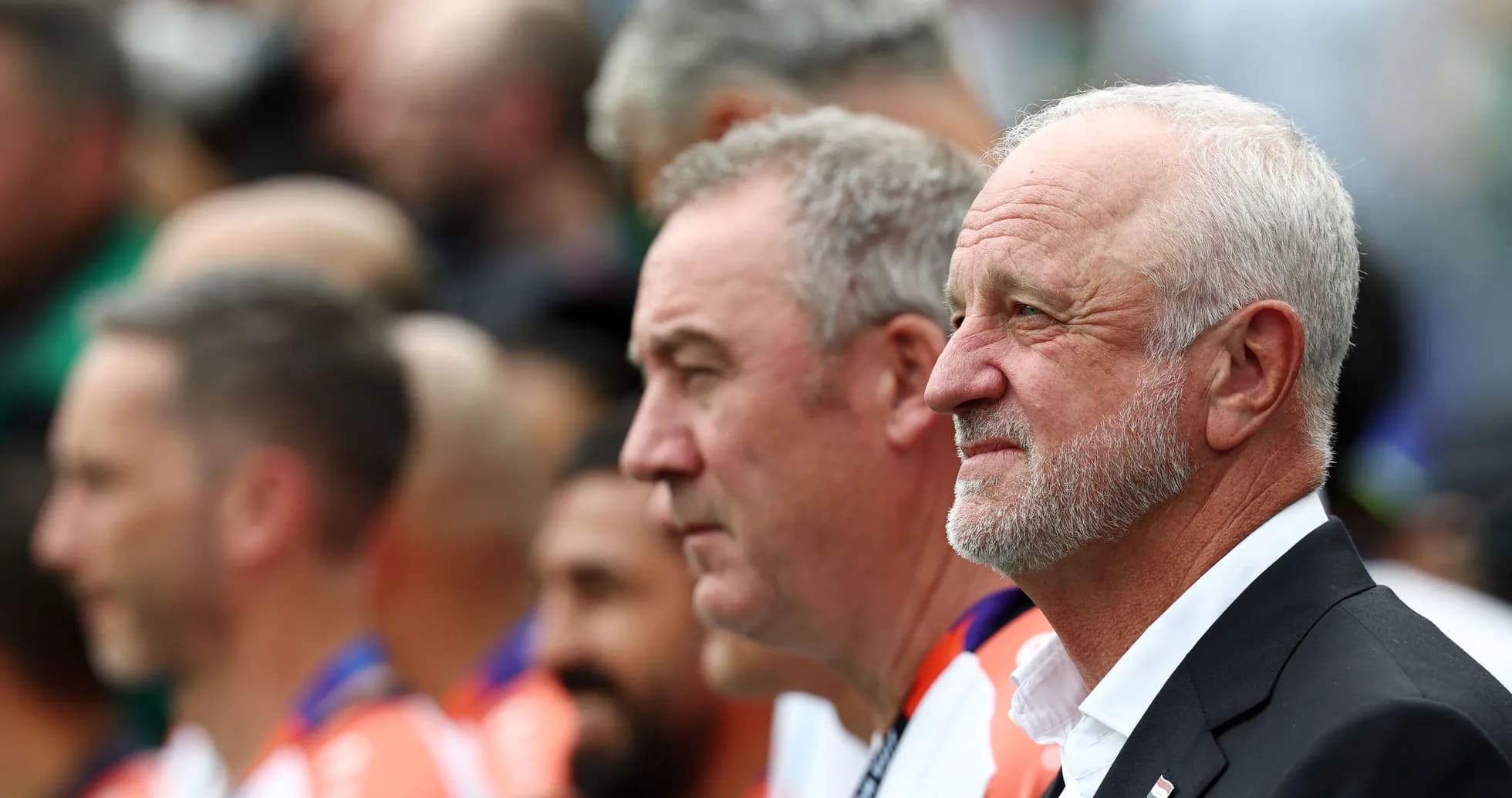
Iraq arrive at the Arabian Gulf Cup with the weight of expectation on their shoulders and a very different look to their squad. Gulf 27 is not a tournament that forgives slow starts, and they know it. Oman in the opening round is more than a curtain-raiser; it is a test of nerve, identity and readiness.
Arnold’s new Iraq steps into the light
Australian head coach Graham Arnold cut a clear, confident figure on the eve of the match at Prince Abdullah Al-Faisal Stadium. The message was simple: no excuses, no easing into the competition.
He has reshaped this Iraq side. New faces, new staff, new ideas. The core, though, remains anchored by a blend of experience and youth that he believes can carry Iraq deep into the tournament.
“We have a mix of experienced and young players, and this gives us an extra dimension to produce big performances,” Arnold said in his pre-match press conference. “The players are ready, and we have made a number of changes to the technical staff and the players.”
This is Iraq’s first appearance in the Arabian Gulf Cup for years, and the timing matters. Arnold spoke with an eye on what lies beyond the next 90 minutes, framing this campaign as both an opportunity and a statement.
“We have new players, and this is the first time we have played in this tournament in years. We are focused on the future, and we have the skills and abilities that help us compete and win the title, especially as the tournament holds great importance for Iraqi football.”
The ambition is bold: not just to compete, but to lift the trophy.
Short runway, big expectations
For all the optimism, the preparation window has been brutally tight. Iraq have had only two days to work in Jeddah, a detail Arnold did not gloss over.
“We had only two days to prepare in Jeddah, and it is important that we work on physical fitness and prepare well for the clash,” he said. The challenge is clear: build cohesion on the fly, find rhythm under pressure, and do it from the very first whistle.
Arnold’s faith in his squad, however, ran through every answer. “The players are capable of delivering a good performance, not only against Oman, but throughout the tournament as a whole.”
The opening game will reveal how quickly this new-look Iraq can translate that belief into control, intensity and points.
The 12th man in Jeddah
If Iraq’s tactical structure is still taking shape, one element is fully formed: the backing of their supporters.
Striker Ayman Hussein underlined just how significant the stands could be across this campaign. For him, Jeddah will feel less like neutral territory and more like an extension of home.
“We welcome you and thank the Kingdom of Saudi Arabia for this hosting, and we also congratulate them on the occasion of the National Day,” Hussein said. “The Iraqi fans will support us strongly in Jeddah, where they are in their second country, and we expect great support from them.”
He spoke with the assurance of a player who knows the mood inside the dressing room.
“The team is fully ready, we have made a number of changes, and there are players who will play their first international matches. We will face a respectable team, and we aim to deliver a match worthy of the Iraqi national team.”
New internationals, new stage, same demand: represent the shirt properly.
A brutal group, a narrow path
There is no soft landing in Group A. Iraq share it with Kuwait, Saudi Arabia and Oman, four sides chasing just two semi-final places. Every mistake will carry a cost.
The format is straightforward and unforgiving. The top two teams from each group advance. Group A’s winners face the runners-up from Group B; Group B’s winners meet the runners-up from Group A. The two semi-final winners then head to the final on 6 October 2026, where the champion of the 27th Arabian Gulf Cup will be crowned.
For Iraq, the equation is simple but ruthless: start strong against Oman, hold their nerve against regional rivals, and grow into a tournament that offers little margin for error.
The squad has changed. The staff has changed. The stage has not. Now the question is whether this rebuilt Iraq can turn high ambition into a trophy run when the Gulf Cup finally kicks off.