Inaki Williams Ends Ghana International Career After World Cup Exit
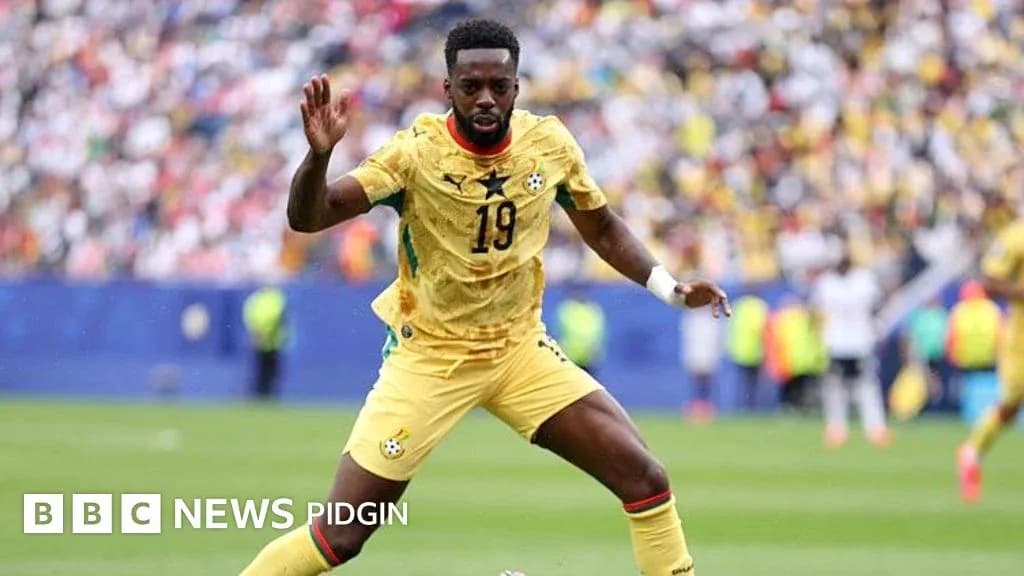
Inaki Williams has brought his Ghana adventure to an end, calling time on his international career after the Black Stars’ early exit from the 2026 Fifa World Cup.
The Athletic Bilbao forward announced his decision on Friday, posting an emotional message on his X account in which he made clear he walks away with no regrets.
“I feel the time has come to bring my journey with the Ghana national team to an end. I leave happy, proud and with the peace of mind of knowing that I gave everything every time I wore this shirt,” he wrote.
He leaves the stage having been part of Ghana’s World Cup campaign in North America, a tournament that promised more than it delivered.
World Cup disappointment closes the chapter
Ghana’s stay at the 2026 World Cup ended in the knockout rounds with a narrow 1-0 defeat to Colombia, a result that cut deep after the confidence and momentum the team had built in the group phase.
They had gone into that tie on a high, buoyed by disciplined, organised performances against Panama and England, where they kept back-to-back clean sheets and looked like a side growing into the tournament. One goal from Colombia was enough to send them home and, for Williams, that game ultimately became his last act in Ghana colours.
The 30-year-old had committed to the Black Stars in 2022, just months before the previous World Cup, after a long period of reflection over his international future.
From Spain hopeful to Black Stars regular
Born in Spain to Ghanaian parents, Williams initially set his sights on representing La Roja. He broke into Spain’s youth setup in 2015, earning a call-up to the under-21 side in March of that year. Despite that early promise, he never made a competitive appearance for Spain’s senior team.
For years he kept Ghana at arm’s length. In 2021, when asked about switching allegiance, he underlined how deeply rooted he felt in Spain, saying his parents were from Accra but he had not been born or raised there and that his culture was in Spain.
Everything changed on 5 July 2022. Williams announced he would represent Ghana, embracing his heritage and joining the Black Stars in time for the 2022 World Cup. The decision opened a new chapter in his life and career.
“Ghana has given me a lot, more than football,” he reflected in his farewell message. “It has allowed me to come back home, feel even closer to my roots and experience the enormous pride of representing my country and wearing this flag on my chest.”
He stressed that his connection with the national team will not end with his retirement from the pitch, pledging to continue supporting Ghana football and the Black Stars from afar.
A remarkable journey from hardship to La Liga mainstay
Williams’ story stretches far beyond the international stage. His parents’ journey from Ghana to Spain was a story of survival: they crossed the Sahara desert on foot and scaled the Melilla border fence to seek a new life in Europe. Out of that struggle came a son who would grow into one of La Liga’s most durable forwards.
He spent his childhood in Spain honing his talent before Athletic Bilbao spotted him at 18 and brought him into their youth ranks. By 2014 he had made his first-team debut in La Liga. His first goal arrived in February the following year, a glimpse of the power and direct running that would become his trademark.
Over time he grew into a key figure for Athletic, leading the line in major fixtures and scoring standout goals, including a spectacular long-range strike against Barcelona in the Spanish Super Cup final that underlined his big-game temperament.
In 2019, the Basque club underlined his importance with a remarkable nine-year contract, one of the longest deals handed to a player in modern football, surpassed only by the 10-year agreement Real Betis gave Brazilian winger Denilson back in 1998.
Legacy with Ghana
Williams’ spell with Ghana may have been relatively short, but it carried weight. He brought European top-flight experience, relentless work rate and a visible pride in carrying the Black Stars badge.
He did not get the deep World Cup run he and the country craved. He did, however, reconnect with his roots, answer a long-standing call from Ghanaian fans and add another layer to a career shaped by resilience and bold decisions.
Now he steps away from the international stage, content that he has emptied the tank for Ghana. The next question is how the Black Stars reshape their attack without him—and which forward will be ready to seize the space he leaves behind.