Imane Khelif’s Comeback: Olympic Champion Returns to Paris
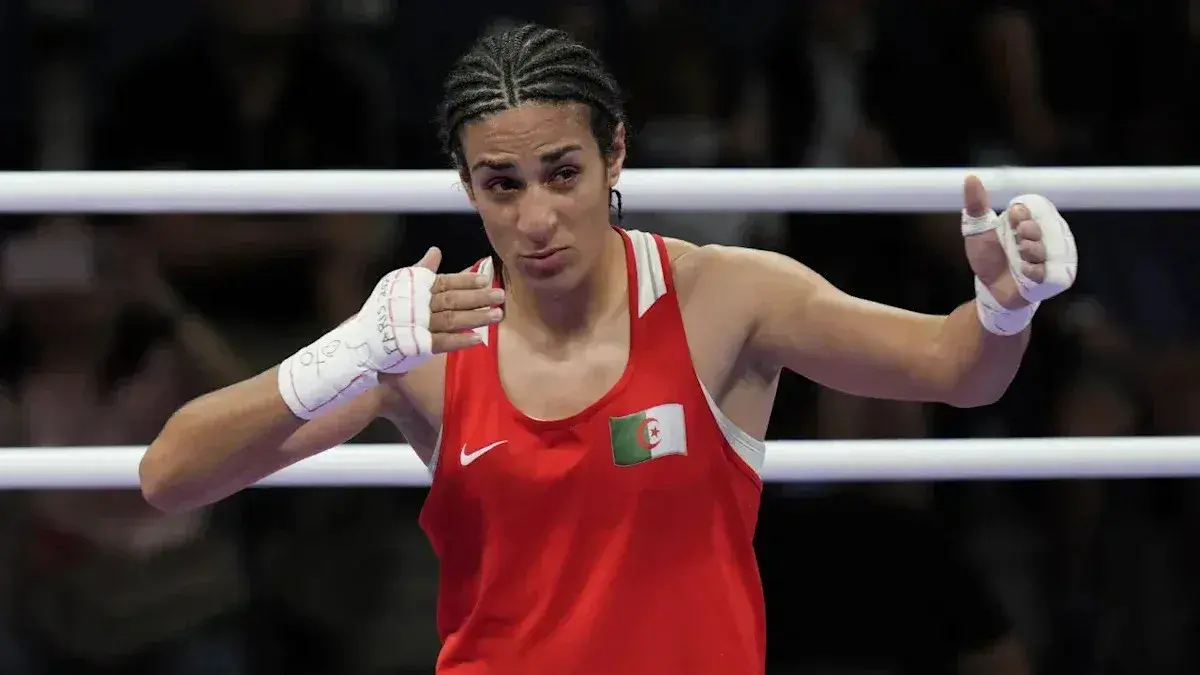
Two years after standing on top of the Olympic podium in Paris, Imane Khelif is going back to where the storm began.
The Algerian, whose gold-medal run at the 2024 Games unfolded under the harshest global spotlight, has announced her first fight since that unforgettable summer. The venue is familiar. The stakes feel different.
Back under the lights in Paris
Khelif will box again on December 15 at the Maison de la Mutualite in Paris, facing undefeated Clarida Sarabia in what shapes as a high‑profile comeback on French soil.
It is a long‑delayed return. Khelif had been slated to make her professional debut in Paris in April 2026, only for a left shoulder injury in training to rip that plan up. Months of rehab followed. Silence, too.
Now, the wait is over.
"I've waited, I've doubted, but deep inside, the fire never dies," she said in a video posted to Instagram. "And, now, I'm back."
No belts on the line. No Olympic medals at stake. Yet the symbolism is obvious: the fighter at the heart of one of boxing’s fiercest recent debates stepping through the ropes again, in the same city where she became a lightning rod.
A champion in the eye of the storm
Khelif’s gold in 2024 never existed in a vacuum. Every punch she threw in Paris that summer was accompanied by noise.
The controversy had begun a year earlier. In 2023, the International Boxing Association (IBA) — already estranged from the Olympic movement and now removed from governing the sport at the Games — banned Khelif and Taiwan’s Lin Yu-ting after what it described as failed gender eligibility tests.
The decision sparked confusion and outrage in equal measure. Yet when the Olympics arrived, the IBA was no longer in charge. The International Olympic Committee ran the boxing tournaments under its own sex eligibility rules, and under those rules, Khelif and Lin were eligible to compete.
Both did more than compete. They won gold.
As Khelif climbed the podium with Algeria’s flag on her shoulders, the debate only intensified. Misconceptions about her sex, arguments over testing, and questions about who should set the rules for women’s boxing turned her into a headline as much as a champion.
New rules, new battles
The sport’s power structure shifted again in 2025 when World Boxing formally took over as the global governing body. With it came a fresh, and fiercely scrutinized, sex eligibility policy.
World Boxing introduced a requirement that all fighters undergo a one‑time genetic test for events sanctioned by the organization. When the policy was announced, president Boris van der Vorst initially named Khelif in connection with the new testing framework, a move that drew immediate criticism. He later apologized to the Algerian federation for singling her out.
Khelif did not accept the new landscape quietly. She reportedly appealed World Boxing’s decision in August 2025, taking her case to the Court of Arbitration for Sport. The attempt to suspend the ruling was dismissed, leaving the policy in place and the questions around her competitive future unresolved.
The human side of that fight emerged more clearly in February 2026, when Khelif spoke to CNN. She said she has high levels of testosterone and that she has been reducing those levels under medical supervision. It was a rare glimpse behind the headlines: an Olympic champion navigating not just opponents in the ring, but medical protocols, legal frameworks, and public scrutiny.
A different kind of comeback
All of that history walks into the Maison de la Mutualite with her in December.
Sarabia, undefeated and ambitious, brings her own narrative and danger. For Khelif, though, this bout carries a different weight. It is not simply about rounds won or lost; it is about re‑entering a sport that has, in many ways, reshaped itself around the questions her case forced into the open.
She returns to Paris older, more battle‑scarred, and far more famous than when she first arrived for the Olympics. The noise around her name has not gone away. It may never.
But on December 15, for the first time since that gold medal run, the conversation will pause for the opening bell — and the world will see what Imane Khelif still has left to say with her fists.