Heavyweight Showdown at O2: Highlights from the Undercard
The O2 undercard did its job. Before Moses Itauma and Filip Hrgovic tore into each other for the vacant IBF heavyweight title, a wild, blood‑spattered undercard set the tone in London.
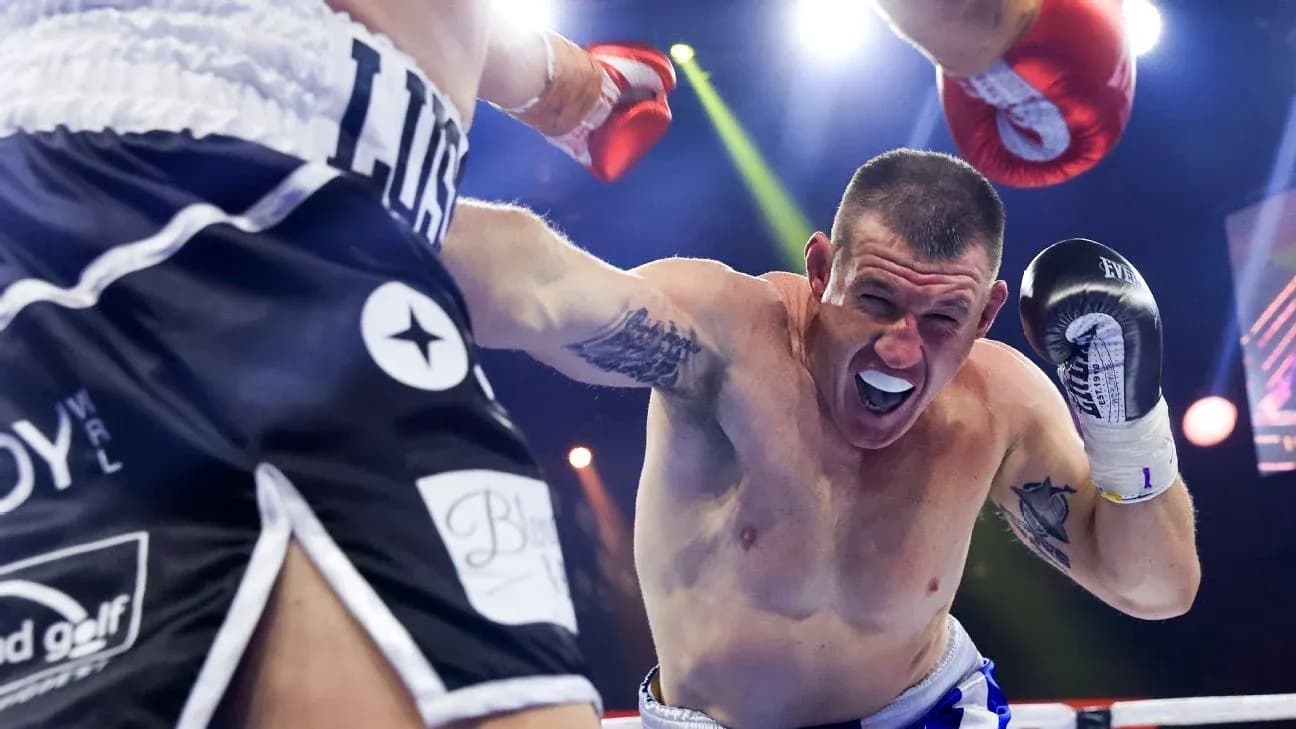
Vianello and Jolly trade leather, finish level
Guido Vianello vs Moses Jolly was supposed to be a measuring stick. It turned into a small war.
From the opening bell, both heavyweights made it clear they weren’t in town to coast. Jolly, the unbeaten Welshman and the naturally bigger man, dug hard to the body early, trying to sap Vianello’s legs. The Italian answered with the sharper, more eye‑catching head shots, and within six minutes both men were cut, bruised and swinging in ugly, dangerous exchanges.
The second round set the tone: blood on both faces, arms tangled, punches whipped in from awkward angles. Jolly twice crashed home vicious overhand rights that Vianello somehow absorbed amid the clinching and wrestling. The Welshman loved it. He blew a kiss to the crowd, bounced in his corner at the bell and looked like a man who believed this was his night.
His investment downstairs began to show by the fourth. Vianello was breathing heavily, forced to snatch little rests on the ropes, yet he still found moments of quality with counters and clever work at close range to stop the fight running away from him.
The momentum shifted again in the sixth. Jolly’s work rate dipped to single jabs, his combinations drying up, and Vianello seized the chance, timing him with counters as both men grew ragged and tired.
They emptied what was left in the final round, but the knockout never came. The referee’s card read 76–76, a draw. Jolly, who had dominated long spells in the first half, could count himself unfortunate, yet the Italian’s late rally made it a difficult one to split. On a night like this, neither man quite found the statement he was hunting.
Ursu survives a bloodbath to keep his belt
If the opener was frantic, Constantin Ursu vs Ben Vaughan was downright savage.
Ursu, defending his British welterweight title for the first time after dethroning Owen Cooper, started second best. Vaughan, rebuilding after a points loss to Bobby Dalton in an English title bid, arrived with a clear plan: get close, rough the champion up and belt away at his body.
For two rounds, the challenger bossed it. He hustled Ursu out of rhythm, smothered the champion’s attempts to set his feet and whipped in heavy shots downstairs. Ursu’s jab still cut through often enough to bloody Vaughan’s nose, and his guard blunted some of the worst of the Englishman’s work, but he was getting clipped with avoidable shots and looked uncomfortable.
Vaughan kept hacking at the legs and lungs, trying to drain the champion. Then the fight changed.
In the fifth, Ursu finally found his timing. The jab and uppercut began to land with authority and a savage shot opened a horrible cut above Vaughan’s left eye. Blood streamed into the challenger’s eye socket and Ursu sensed it. The champion finished the round in command, punching freely as Vaughan blinked through the crimson.
The sixth turned into a horror show for both. Ursu picked up a nasty cut on his own right eye, yet neither man backed off. They traded in the pocket, each covered in the other’s blood, with Ursu’s shots carrying the heavier snap.
They rose for the eighth round soaked in red. Vaughan’s cut, though, had worsened badly. After a brief inspection, the referee and doctor stepped in, ruling the injury too severe to continue. Ursu claimed an eighth‑round TKO, keeping hold of his British and Commonwealth titles, but he left with as many questions as answers.
His heart and engine are beyond doubt. His defense, less so. On this evidence, bigger tests will find out just how far that “fast and loose” approach can really take him.
Hysa flattens ‘The Last Viking’
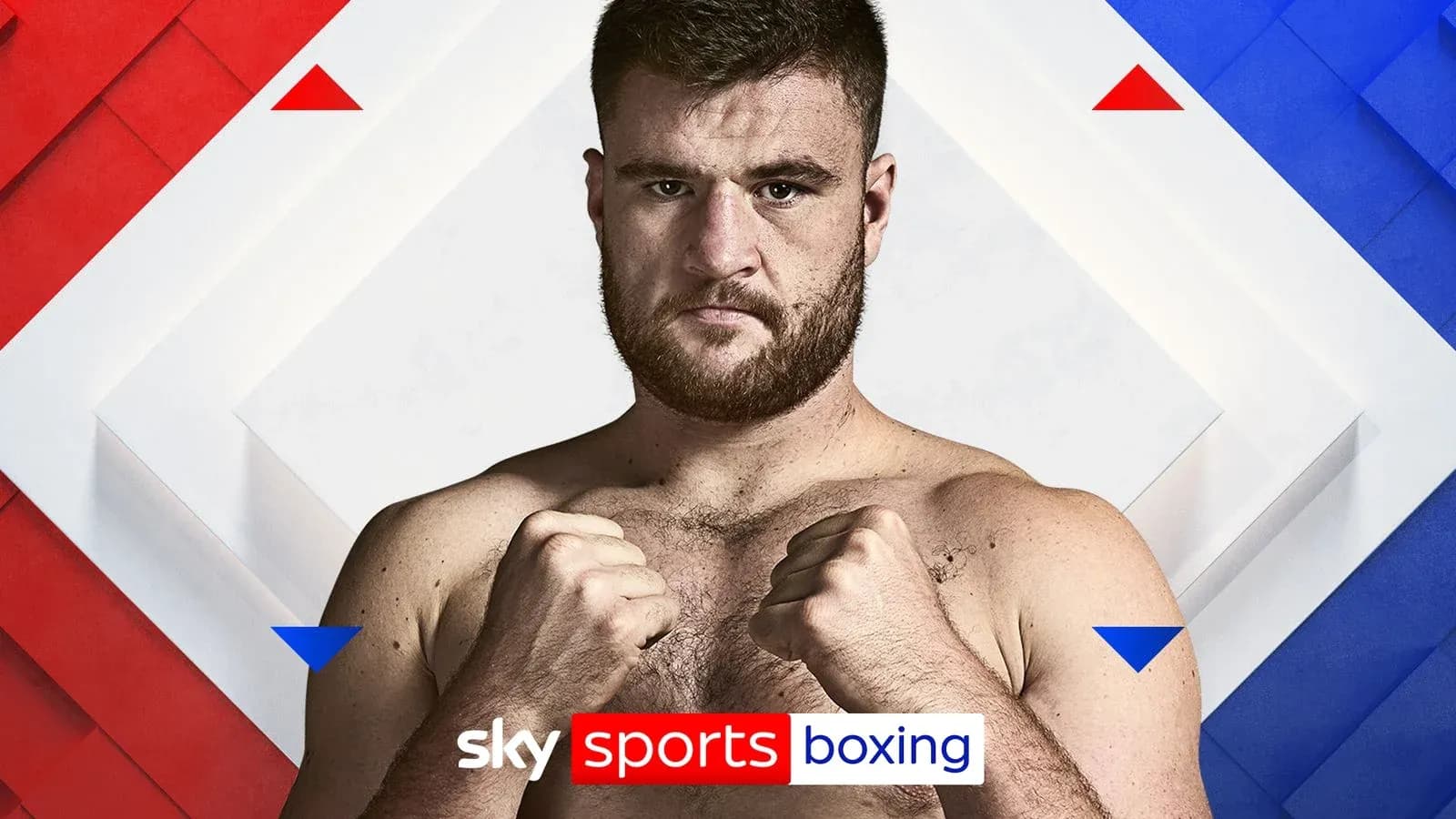
Nelson Hysa against Thomas Narmo promised heavyweight jeopardy on paper: two big men, two unbeaten records, one of them known as “The Last Viking” and both boasting knockout power.
What it delivered was a reminder of how quickly a heavyweight fight can end.
The opening exchanges were cagey. The pair prodded with jabs, feeling for distance. Narmo, though, looked vulnerable every time he tried to pull out of range, chin high and balance off. Hysa spotted it, flashed a knowing grin and waited.
He did not have to wait long.
Early in the second, the Albanian finally uncorked the shot he’d been lining up. A booming overhand right crashed through Narmo’s defenses and dumped the Norwegian on the canvas. “The Last Viking” beat the count, but his legs and eyes told the story. The referee waved it off, sparing him from what would have been a brutal finish.
Hysa moved to 25–0 and retained his WBO Global title. One punch, one message: he belongs in the conversation with the division’s most dangerous risers.
Noakes outworks Berinchyk in a high‑class chess match
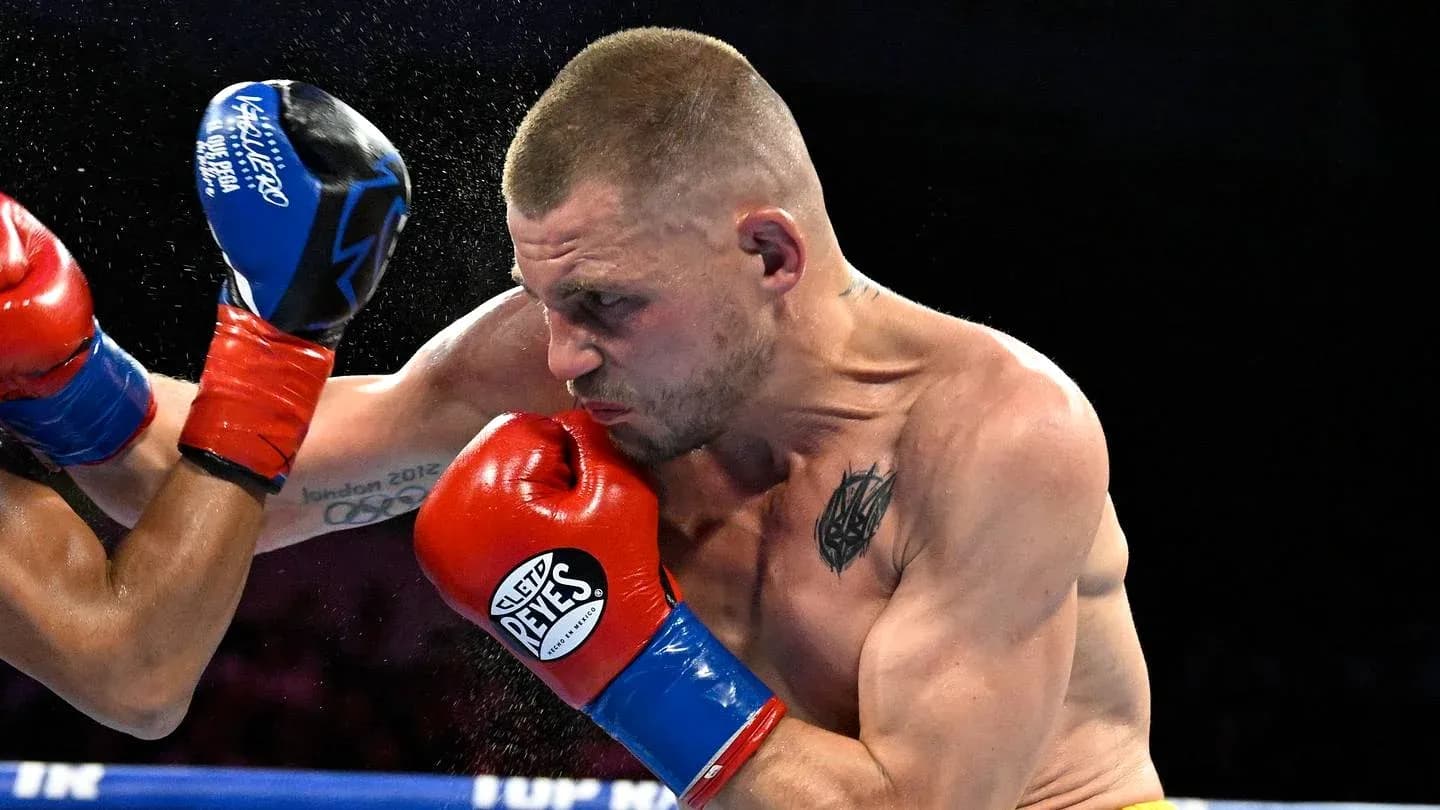
Sam Noakes stepped back into the spotlight with a point to prove. Across the ring stood Denys Berinchyk, the former WBO lightweight champion still feeling the aftershocks of his knockout loss to Keyshawn Davis.
For Noakes, beaten in a war by Abdullah Mason before a low‑key rebound win at York Hall, this was a chance to show he belonged at world level. He fought like a man intent on making that statement.
Berinchyk, though, refused to play to type. From the first bell he circled, dipped and slid away, using every inch of a generous ring. His jab was sharp, his feet sharper, and he made Noakes miss badly in the early going. The Ukrainian wanted a technical, mobile fight; Noakes wanted a tear‑up.
Every punch from the Englishman came with bad intentions, but clean success was hard to find. Berinchyk switched southpaw and in the fourth snapped in a couple of stinging left hands, reminding everyone of his pedigree as an Olympic silver medallist. Noakes kept trying to drag him into the trenches, ripping to the body whenever he got close, desperate to slow those coiled‑spring legs.
The tide began to turn in the fifth. Noakes started to herd Berinchyk rather than chase him, jabbing him toward the corners and then letting his hands go in combinations to head and body. It wasn’t domination, yet the pattern had shifted: Berinchyk was now reacting, not dictating.
Gradually, the ring shrank around the Ukrainian. Noakes’ pressure made every step a little harder, every escape route a little narrower. Berinchyk’s face reddened under the sustained attacks, and while his fast hands continued to snap back sharp counters, he increasingly had to accept trades he would have preferred to avoid.
The exchanges grew fiercer. Noakes often had to take one to land one, but his size and power clearly bothered Berinchyk, especially when he dug downstairs. The former champion adjusted again in the final round, staying closer, firing uppercuts and lead hooks in tight, searching for a late swing on the cards.
It wasn’t enough. All three judges sided with Noakes, rewarding his relentlessness and higher output over Berinchyk’s movement and flashes of class.
On a night when a young heavyweight starlet saw his world title dream snatched away in the main event, Noakes walked away from the O2 with momentum restored and a path cleared. A second crack at a world title now feels less like a hope and more like an inevitability. The only question is who dares open the door.