
Grassroots Football in Taunton Faces Crisis Amid Heatwave
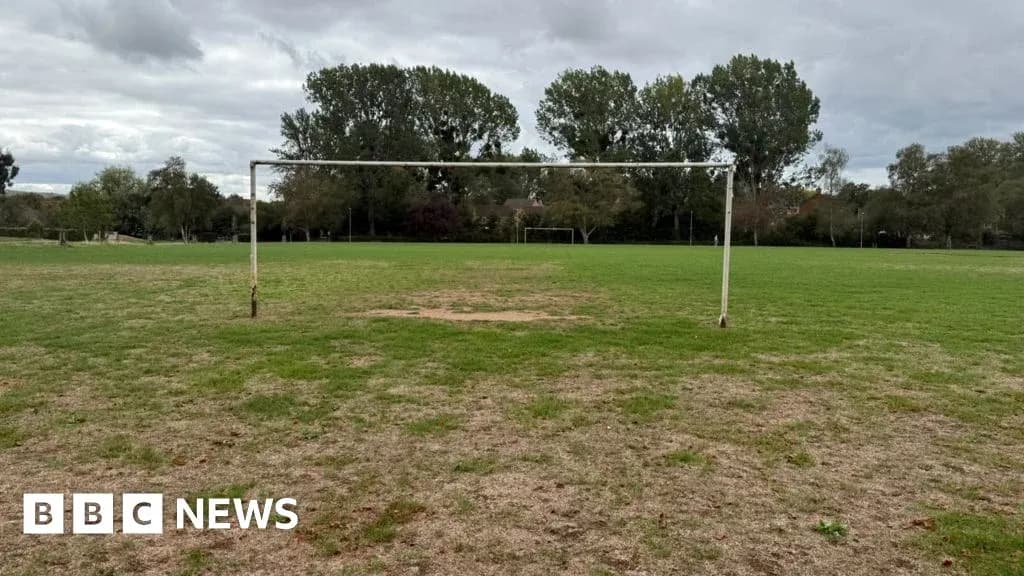
On summer evenings in Taunton, the flood of kit bags, car doors and shouted instructions is usually as familiar as the setting sun. This year, the noise has stopped.
A prolonged spell of extreme heat has forced Taunton Town Council to close its sports pitches, a move that has sent a shockwave through grassroots football in the area and raised serious questions about the game’s future at community level.
The council says it has acted to "protect the long-term quality and sustainability of the facilities" and to keep players safe. Extended drought has stripped back grass cover and baked the surfaces hard, turning once-reliable playing fields into unforgiving ground.
Inspections, the council explained, showed that continued use “could cause significant damage to the pitches and affect their condition for the remainder of the season”. The grass is “showing signs of recovery”, but the surfaces “remain under considerable stress and require additional time to recover fully before regular play resumes”.
For the clubs who rely on those pitches, that time is a luxury they do not have.
‘Already Close to Breaking Point’
Paul Coltman, a football consultant working with the affected clubs, has watched the situation deteriorate.
“We’re already close to breaking point with more teams than we have pitches,” he said.
That imbalance is now set to worsen. With several pitches locked off, every remaining blade of grass will be asked to do more.
“Those pitches that are still usable will now have more games on them which means the knock-on effect is huge,” Coltman warned.
League fixtures, junior matches, midweek training, casual kickabouts – all of it competes for fewer playable surfaces. The calendar was tight before the heatwave. Now it is stretched to tearing point.
Years in the Making
This crisis did not arrive with the first heatwave. It has been building.
Coltman is blunt about the roots of the problem.
“This is a result of years of neglect and poor maintenance,” he said.
The recent weather has simply exposed what was already there: pitches in decline, budgets under strain, and an infrastructure that cannot absorb shock.
What might look like a short-term closure is, for many clubs, the latest blow in a long struggle to keep grassroots football alive on threadbare resources.
“This is a huge impact on local football and a massive drain on an already shrinking volunteer base,” Coltman added.
When pitches close, someone has to find alternatives. Someone has to rearrange fixtures, secure new venues, manage travel, deal with parents, coaches and leagues. Those “someones” are almost always volunteers, and there are fewer of them every year.
Scramble for Space
With home grounds out of action, clubs are now being pushed into a scramble for space.
“Those clubs are now going to need to work together to find alternative venues,” Coltman said.
That means sharing facilities, travelling further, and in some cases accepting fewer training sessions or cancelled fixtures. For young players just starting out, that can be the difference between staying in the game and drifting away from it.
The council insists it is not turning its back on the sport. “The pitches are being inspected regularly and the situation is reviewed on a week-by-week basis,” a spokesperson said.
But Coltman is under no illusion about the timescale.
“This isn’t going to go away quickly by the sound of things,” he said.
Grassroots football in Taunton has survived muddy winters, frozen goalmouths and waterlogged touchlines. Now it faces a new opponent: extreme heat exposing years of underinvestment. The question is no longer just when the pitches will reopen, but what kind of community game will be left when they do.