Ghana's Football Talent Crisis: Mahama's Call to Action
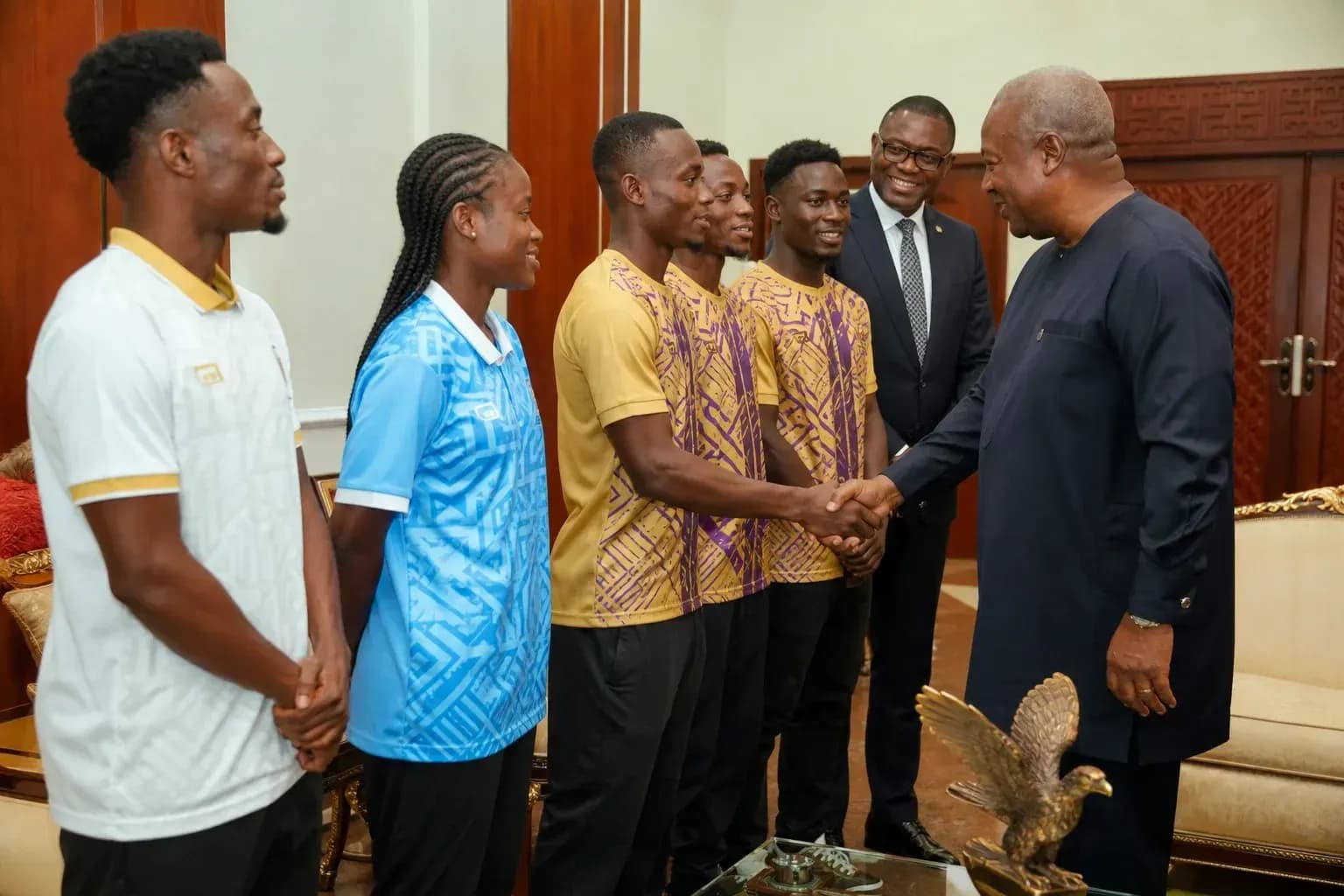
John Dramani Mahama sat facing three clubs that tell the story of Ghanaian football’s present and future: Nations FC, Medeama SC and Ampem Darkoa Ladies. The setting was Jubilee House. The message was blunt.
Ghana, he warned, is bleeding talent too quickly.
“We’re selling them too soon”
Speaking on September 8, 2026, the Ghanaian President voiced a concern that has echoed around training grounds and boardrooms for years: as soon as a young player shows a hint of promise in the domestic league, the scouts swoop.
The result, in his view, is a Premier League stripped of its brightest stars before they have truly learned their craft. A championship that should be a proving ground is becoming a brief stopover.
Mahama stressed that the early departure of promising footballers is gradually weakening local football. The pattern is familiar: a teenager breaks into the first team, strings together a handful of standout performances, and is immediately pushed toward a move, often abroad, long before he has dominated the Ghanaian league or fully matured as a professional.
The president’s stance was clear. Ghana is losing its young talent too early, and the domestic game is paying the price.
Keeping stars at home longer
Mahama called for concrete ways to keep emerging players in the national league for longer spells. Not to block careers, but to build them properly.
He argued that the local championship needs its stars to stay on the pitch in Ghanaian stadiums long enough to raise the overall standard of play. Stronger competition at home, he suggested, would not only benefit the clubs but also sharpen players before they eventually move on.
The message to club executives and coaches was implicit: resist the urge to cash in at the first offer, and think about the long-term health of the league.
The national team as a finishing school
Mahama also pointed to the national team as a crucial step in that development path.
He proposed that promising youngsters be given the chance to gain minutes with Ghana’s national side, using that platform to taste international football while still tied to the domestic league. Exposure to higher-intensity matches, different tactical demands and foreign opposition, he believes, can harden them for the next stage of their careers.
In his view, that sequence matters. First excel in the local league, then gain international experience with the national team, and only after reaching a more mature level of development should they attract the full glare of international or local scouts and secure moves abroad.
For a country that has never stopped producing talent, Mahama’s challenge is stark: can Ghana build a league strong enough, and patient enough, to let its own stars grow before the world comes calling?