Germany's Goalkeeping Dilemma: Who Follows Manuel Neuer?
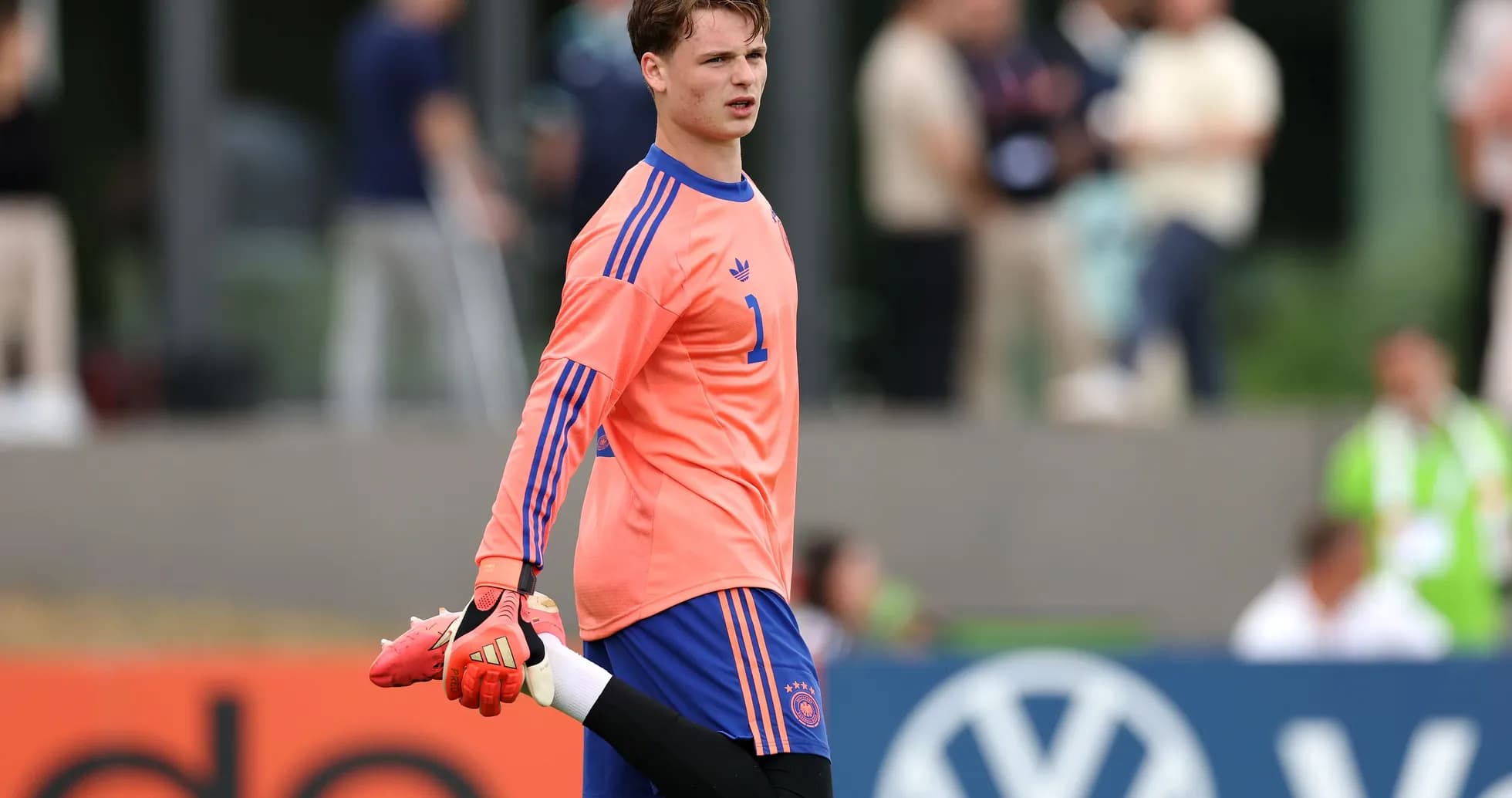
When Jürgen Klopp steps in front of the cameras on 17 September to announce his first Germany squad, one position will drown out all the others. The captain’s armband can wait, tactical shapes can wait. The real argument starts in goal.
Who follows Manuel Neuer?
Julian Nagelsmann’s brief return to the old order for the 2026 World Cup only delayed the inevitable. Neuer reclaimed the shirt, then walked away for good. Now the most scrutinised role in German football lies vacant, and the queue of candidates is long, loud and, in some cases, untested.
Thomas Helmer, European champion in 1996 and long-time Bayern defender, has already nailed his colours to the mast.
“Looking at it right now: Nübel, who is playing sensationally in Istanbul and simply has match practice, is certainly a candidate,” he told Sport1.
Alexander Nübel has forced his way back into the conversation the hard way. He left the comfort and spotlight of Bayern Munich for Besiktas and has been close to flawless since. Six clean sheets in his first nine competitive matches: those numbers travel well, especially to a national coach about to rip up the depth chart.
Form, minutes, pressure – Nübel is ticking the boxes that matter. Yet even Helmer, as impressed as anyone by the Besiktas keeper’s start, refuses to call the race.
It remains, he says, a “big question” who will ultimately succeed Neuer.
The vacuum created by Neuer’s retirement has pulled others into focus. At Bayern, the talk has long circled around Jonas Urbig, the man widely billed as Neuer’s eventual heir at club level. He went to the World Cup as a training goalkeeper, working every day alongside Neuer, Oliver Baumann and Nübel, but never made the official squad list. A shadow role, important for development, useless for the record books.
Plenty of experts still see him as the future. Helmer is not ready to see him as the present.
“The question is how much playing time he will really get under Vincent Kompany,” he warned. So far, the answer is blunt: one cup match against Osnabrück. Nothing more. Not nearly enough.
Helmer is careful to stress there is no disrespect in that assessment. The problem is not Osnabrück. The problem is volume. One outing, one low-stakes game, does not build the rhythm or resilience required to stand in for Neuer, let alone to replace him.
At Säbener Straße, the line is clear. Bayern insist Urbig will get his minutes, even as he sits behind the now-retired Germany legend at club level. A gradual handover, a soft landing, a long-term project.
Helmer doesn’t buy that as a blueprint for the national team.
“In the goalkeeping position, you need someone who plays all the time,” he said.
That sentence cuts to the heart of Klopp’s first major decision. Does he trust the raw talent waiting for a chance in Munich, or the goalkeeper already living with the weekly demands of a No. 1 shirt in Istanbul? Does he reward potential, or performance?
Somewhere in the background, another familiar name lurks: Marc-André ter Stegen, long seen as the nearly man of the Neuer era and now hovering around a possible DFB comeback. His situation only adds another layer to a debate that refuses to shrink.
On 17 September, Klopp will make a call that defines his opening chapter as Bundestrainer. For the first time in more than a decade, Germany’s goal is truly up for grabs.