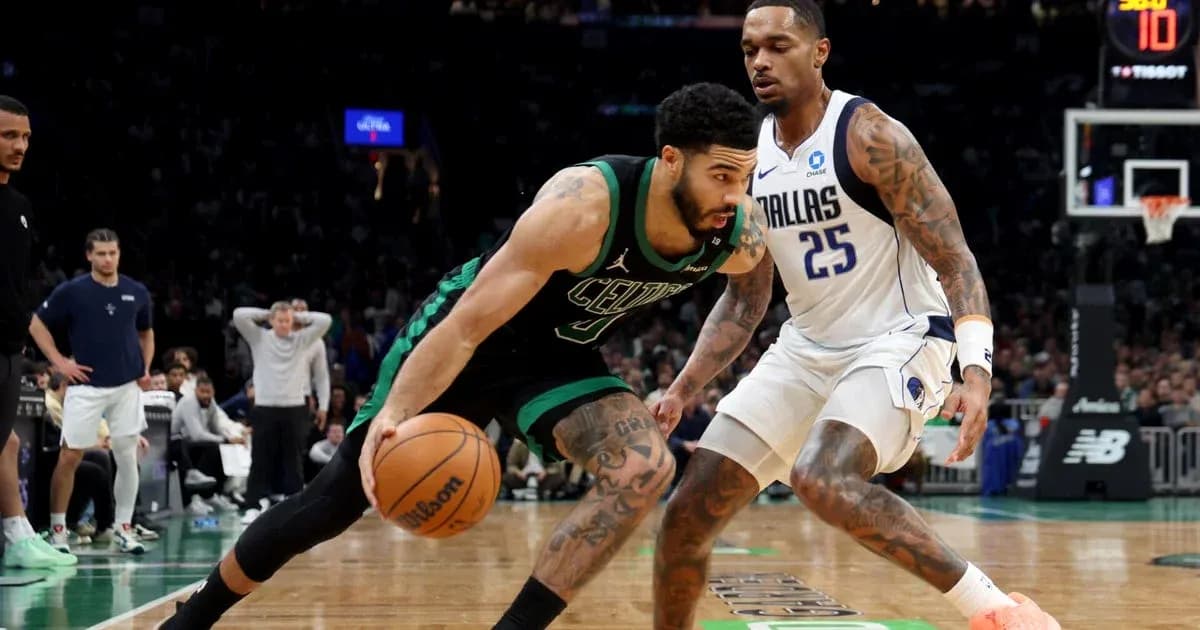
Georgia Ends Carolina's Winning Streak with 78–70 Victory
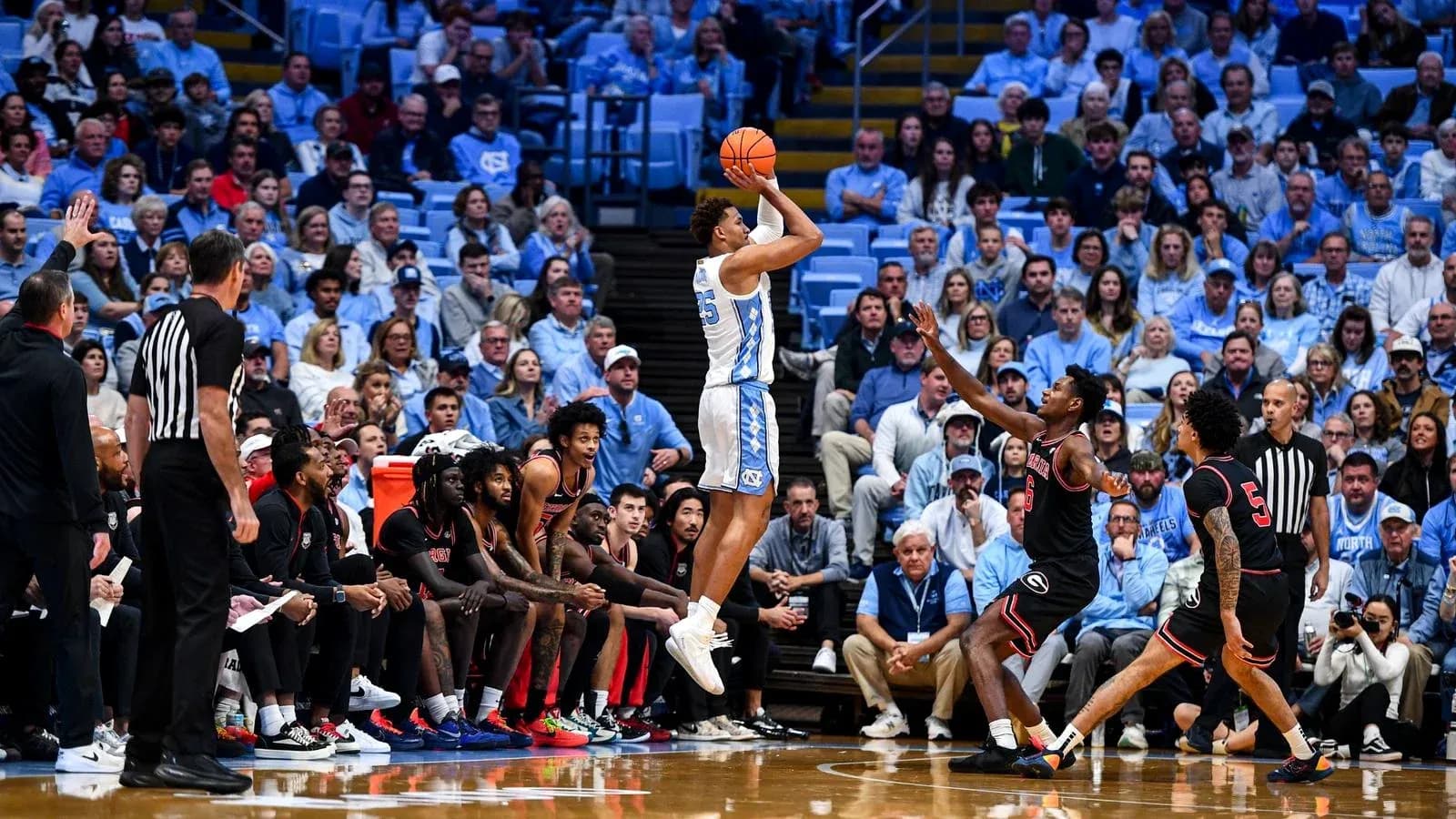
The Smith Center had grown used to exhaling in relief. Twenty-one straight times, Carolina walked off its home floor a winner. On Friday night, that comfort vanished.
Georgia stormed into Chapel Hill and left with a 78–70 win, turning Carolina’s cold shooting and late-game rebounding lapses into a statement road victory and a sobering early-season warning for the Tar Heels.
For all of Georgia’s recent NCAA Tournament pedigree, this one was there for Carolina. With five minutes left, the Heels led by three and had an open look from deep to stretch it to six. The shot rimmed out. The game turned.
From that miss to the final horn, Carolina went 3-for-11 from the field. Georgia, by contrast, either scored or extended possessions with offensive rebounds on nearly every trip. The pressure finally told, not in one dramatic burst, but in a series of second chances that slowly strangled the home side.
Beaten on the glass, beaten at the rim
The closing minutes told the story of the night. Carolina could not finish possessions.
In the final three minutes alone, Georgia carved out a key field goal and two free throws on second-chance opportunities. Over 40 minutes, the Bulldogs turned 18 offensive rebounds into 15 second-chance points, including 13 after halftime. They won the overall rebounding battle, 52–43, and did it with authority.
Maximo Adams, for all his struggles from the field, again underlined why he’s so important to this roster. The freshman Chapel Hill native shot just 1-for-8 and 0-for-3 from three, but he ripped down 11 rebounds, the best figure on the team. Michael Malone trusted him over Jarin Stevenson in the closing stretch, a clear signal of how vital Adams’ work on the glass has become.
Stevenson, Sayon Keita and Alex Samodurov combined to take just one free throw. On a night when nothing came easy in the halfcourt, that lack of physical, foul-drawing presence around the rim left Carolina badly exposed.
Malone will wince when he rewatches the tape. The Heels missed multiple finishes at the basket, the kind of point-blank looks that separate solid wins from avoidable defeats. Georgia didn’t exactly light up the scoreboard with artistry; it simply kept attacking the glass until the game broke.
Living – and dying – by the three
Carolina’s shot chart looked like a team leaning hard on the modern game and getting little reward.
The Heels launched a school-record 38 three-pointers. Some of those came in scramble mode, chasing the game late. Too many came earlier, while the outcome still hung in the balance. They made only nine of them, a brutal 23.7 percent.
The two-point numbers weren’t much kinder: 15-for-35 inside the arc. For the night, Carolina finished at 32.9 percent from the field. That’s not a blip; that’s a blueprint for losing at home.
The one reliable source of offense was the free throw line. Carolina went 13-for-19 overall, but just 5-for-7 after the break. Given how often jumpers clanged off the iron, that number felt light. The Tar Heels simply did not live at the stripe enough, especially from their frontcourt.
The contrast to Georgia’s rugged approach around the rim was stark. When the threes didn’t fall, Carolina didn’t have a dependable Plan B.
Brown shines, then disappears
Terrence Brown did everything he could to drag Carolina into contention.
The sophomore guard showed the full range of his scoring repertoire again, pouring in a team-high 21 points and drawing a team-best five fouls. He knocked down four threes, slashed to the basket, and, for long stretches of the second half, looked like the only Tar Heel capable of consistently unsettling Georgia’s defense.
Then, with the game there to be seized, his influence evaporated. Brown did not attempt a shot in the final 5:17.
Whether Georgia’s defense smothered him, the ball stopped finding him, or the offense simply drifted away from its most dangerous option, the result was the same: Carolina’s most reliable scorer became a bystander as the Bulldogs closed.
On a night when perimeter shots were scarce and the halfcourt offense sputtered, that’s a detail that will gnaw at this coaching staff.
A half to forget, a run that stung
The damage began well before the final five minutes.
Georgia closed the first half on a 9–0 run, flipping what had been a fragile Carolina advantage into a 20-minute slog. The Tar Heels shot 9-for-36 before the break, including 5-for-20 from three. That 25 percent mark from the field tied the third-worst shooting half in Smith Center history, which now spans 601 games.
It had started so differently. Georgia entered at 3–0, lauded for taking care of the ball, yet Carolina rattled the Bulldogs early. The Heels forced turnovers on the first three Georgia possessions and turned defense into some of their best offense of the half. They squeezed eight turnovers into seven points before the break and built a nine-point cushion with 10:35 remaining in the first half.
Then the pressure vanished. Over the final 9:38 of the game, Carolina didn’t force a single turnover. Georgia settled, rebounded, and methodically pulled the contest into its preferred rhythm.
What began as a disruptive, aggressive defensive display faded into something far more passive. Georgia didn’t dominate with flair. It simply stopped making mistakes while Carolina kept missing shots and losing battles on the glass.
A rare meeting, a harsh reminder
This was the first meeting between Carolina and Georgia since November 1998, a gap that feels almost impossible in the modern scheduling era. The next chapter won’t take as long: the teams are already booked to meet in Athens in November or December of 2028.
If Friday is any indication, that return trip will not be a formality.
The loss halts Carolina’s 21-game home winning streak and injects an early jolt of reality into a season built on high expectations. The Tar Heels now get a week to sit with it before returning to the Smith Center next Friday night against Marshall, the first of two home games in four days, with Monmouth and former Carolina guard King Rice arriving on Nov. 23.
For a program that measures itself by March, November results rarely define anything. But they do reveal habits. Right now, Carolina has to confront two of them: an overreliance on the three-point line, and a troubling inability to finish possessions when it matters most.