Gable Steveson's 12-Second Collapse at UFC 331
The roar inside the arena on Saturday night wasn’t for a champion crowned. It was for a myth shattered.
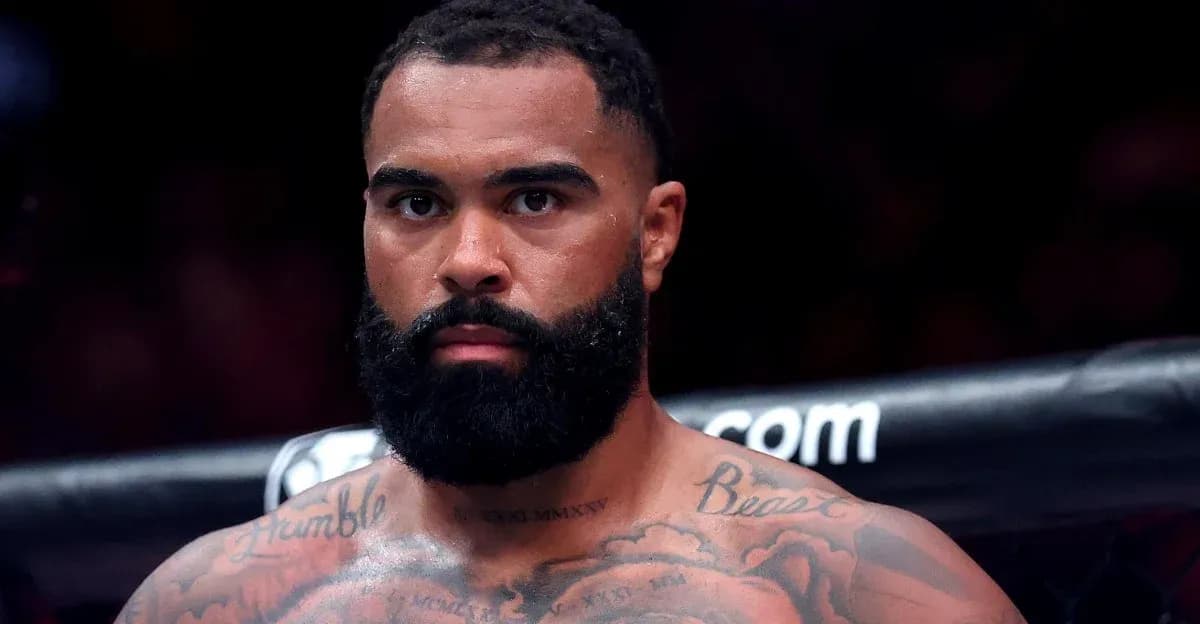
Gable Steveson, the Olympic gold medalist billed as the next unstoppable force of the UFC heavyweight division, walked into UFC 331 as a 4-0 phenom with a freight train of hype behind him. He left 12 seconds later, flat on his back, his aura in pieces, his composure questioned, his future suddenly complicated.
Sean Sharaf, winless in the UFC before this night, needed less than a blink in fight terms to flip the script.
A 12-Second Collapse
The opening exchange was supposed to be routine. Steveson, the superior wrestler, the overwhelming betting favorite, had every reason to lean on the skills that made him an Olympic champion. Instead, he planted his feet in the pocket.
Sharaf didn’t hesitate.
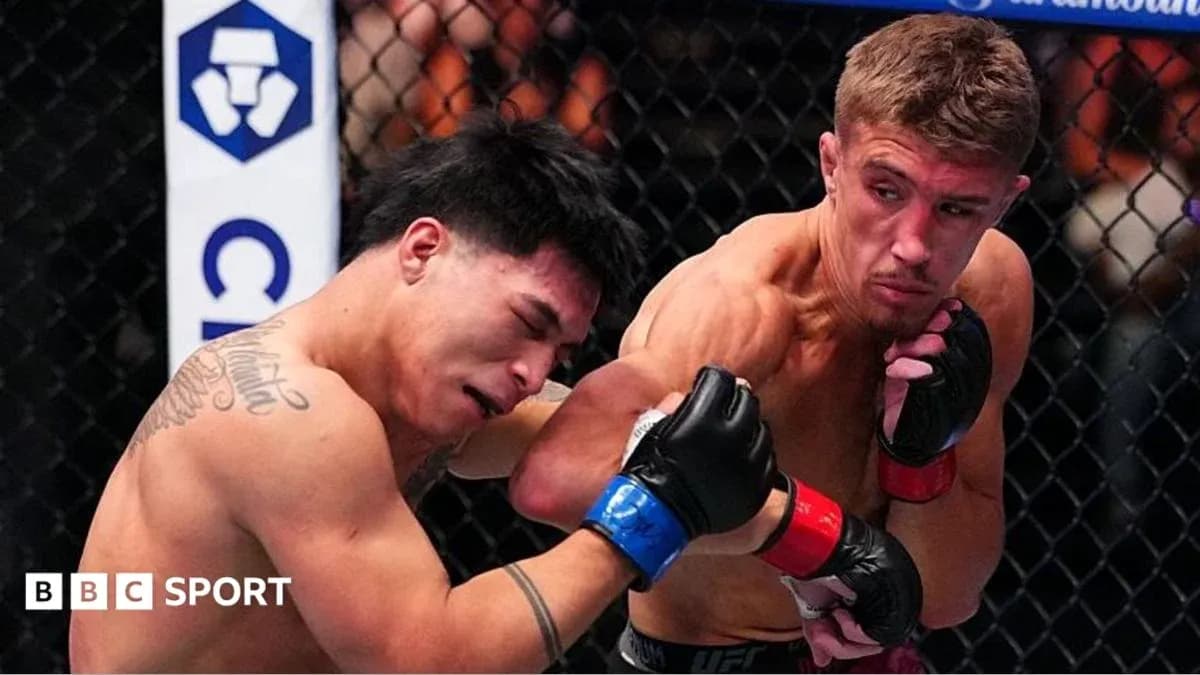
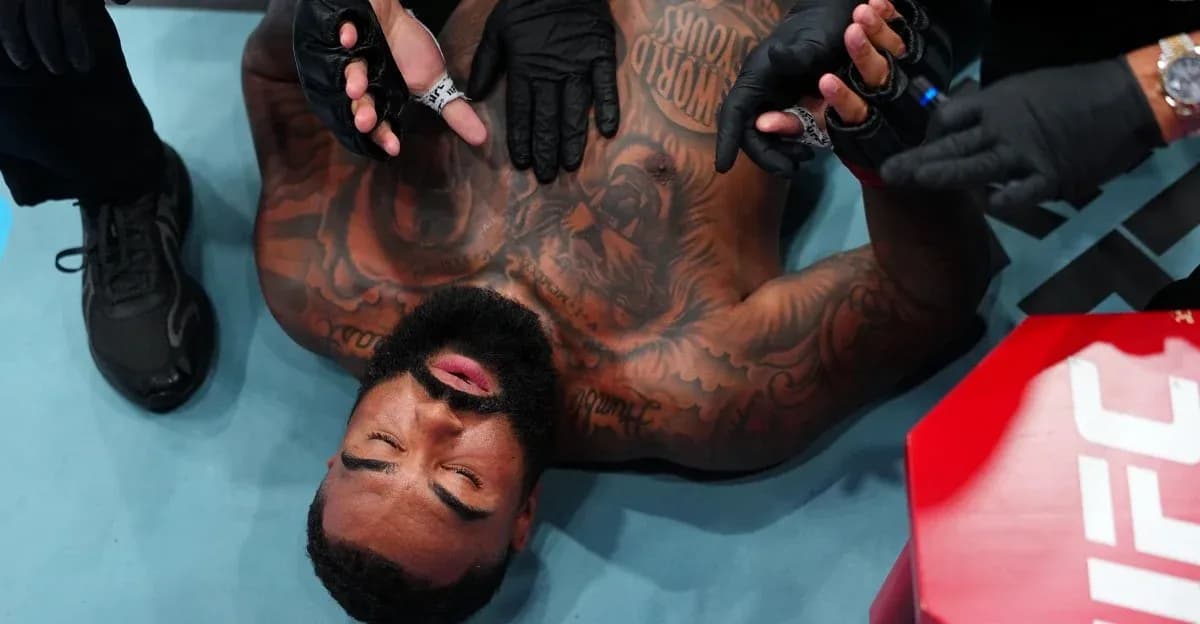
He dipped, rolled his shoulder, and detonated a vicious left hook that caught Steveson flush on the chin. Steveson’s head snapped back. The heavyweight prospect crashed to the canvas, out cold, as the Los Angeles crowd erupted — some in shock, many in something closer to delight at the upset they’d just witnessed.
Twelve seconds. That was all it took for a carefully constructed narrative to implode.
Sharaf, who entered the bout with an 0-2 record in the octagon, suddenly owned one of the most stunning knockouts in recent UFC memory. Steveson, the man expected to cruise to 5-0, instead absorbed the kind of loss that can haunt a career.
A Walkout That Landed Even Worse
The punch was brutal. The aftermath might prove even more damaging.
When Steveson finally regained his senses and got back to his feet, he didn’t wait for the official announcement. He didn’t acknowledge Sharaf. He didn’t offer a handshake, a nod, or a word. He simply walked straight out of the octagon, leaving his opponent to celebrate alone and Bruce Buffer to announce the result without the vanquished present.
The reaction online was instant and unforgiving. Social media lit up with criticism of Steveson’s behavior, calling it disrespectful and emblematic of a fighter who had believed too deeply in his own invincibility.
At the commentary desk, Daniel Cormier and Joe Rogan didn’t hold back either.
“I think Gable made some mistakes in there,” Cormier said after the event. “You’re a 4-0 fighter. Wrestle. You have to. Also, you stand there and you take your licks whenever you lose. You let that man get his hand raised and you stand there no matter how you feel.
“If you’re concussed, cry — I did it! There’s the truth! But you take your licking whenever stuff doesn’t go your way. You cannot be a great winner but then an ungrateful loser and I think that was bad by Steveson.”
Cormier wasn’t just talking about tactics. He was talking about code. About how fighters are expected to carry themselves when the lights are harshest and the night goes wrong.
Hype Meets Reality
Rogan, sitting beside him, zeroed in on the mental side of the collapse.
“I think the odds and the hype got to his head and he felt he couldn’t be beaten,” Rogan said. “He stood there flat-footed and Sean just uncorked a picture-perfect left hook. He dipped and then hooked and caught him on the chin. The chin, the head snaps back. Out cold.
“It was one of the greatest storybook, Cinderella stories. It has to be without a doubt the biggest odds ever.”
The scene fit the description. An undefeated Olympic hero, billed as a future champion, flattened in seconds by a man with no UFC wins. A crowd roaring for the underdog. A highlight-reel finish that will be replayed for years.
For Sharaf, it was validation and vindication. For Steveson, it was a brutal lesson in what happens when reputation walks into a cage expecting respect and finds only violence.
A Harsh Lesson in the Big Leagues
Cormier knows something about the weight of expectation. He never had Steveson’s level of Olympic spotlight when he began in MMA, but he understands what it means to arrive with credentials and a target on your back.
“I was fighting at a different level, I wasn’t in the UFC,” Cormier said. “But the reality is he’s new to this and Sharaf had no respect for him. Gable’s an Olympic champion and maybe people expect other people to respect that but they’re not going to.
“Sharaf was not having any of it. He went in there to knock Gable Steveson out and he did.”
That’s the cold truth of the heavyweight division. Medals don’t matter in there. Records don’t matter. Hype doesn’t matter. If you stand in front of a man who has nothing to lose and everything to gain, you’d better be ready for the one shot he’s been dreaming about landing.
Steveson wasn’t. He didn’t wrestle. He didn’t use the tools that made him special. He chose to trade early with a desperate opponent and paid for that choice in the most unforgiving currency this sport has.
Where Does Steveson Go From Here?
The loss itself, on paper, is just a number: 4-1 instead of 5-0. Fighters recover from knockouts. Prospects rebound. Careers are rebuilt.
What lingers is everything wrapped around that 12-second disaster — the refusal to stay in the cage, the perception of entitlement, the sense that the hype machine ran ahead of the hard truths of MMA.
Steveson still has the pedigree. He still has the raw materials to become a force if he chooses to adapt, to evolve, to respect the sport in all its chaos and cruelty. But after a night like UFC 331, one question now hangs over every step he takes:
Is this the moment that breaks the illusion, or the one that finally makes him a fighter in full?