Fred Little at 90: A Life in Boxing and Beyond
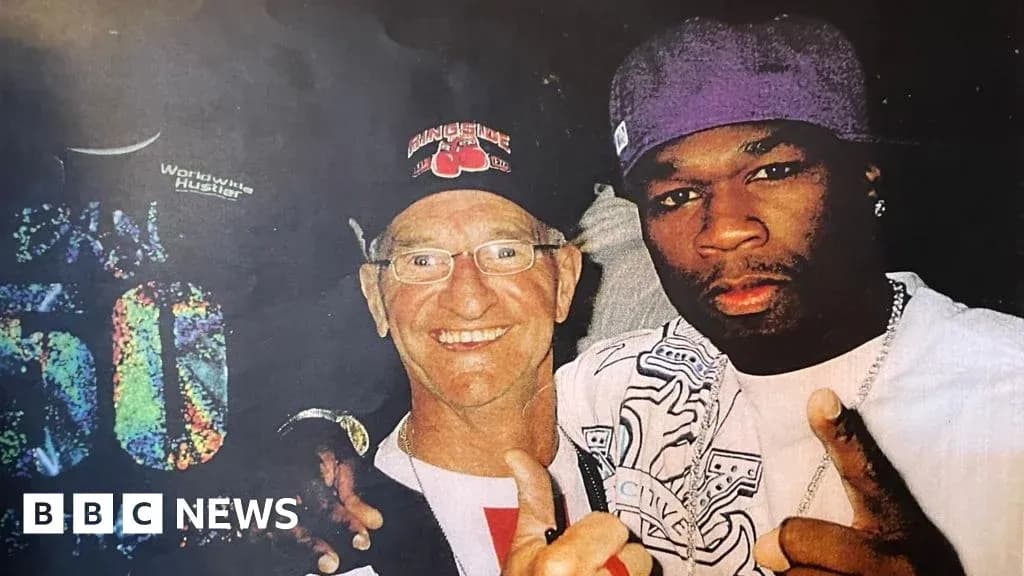
Fred Little still sounds faintly astonished by the life he’s lived.
“Being the son of a rag-and-bone man, I had to pinch myself being among all these superstars,” he says, now 90 years old and looking back on decades spent at the heart of professional boxing.
He grew up in Barton Hill, Bristol. Not in bright lights, but in blackout. His earliest memories are not of title belts or famous faces, but of World War Two.
“We used to run down the street with airplanes on fire and bombs hitting houses,” he recalls. “We'd go to a communal air raid shelter and everyone's crying and screaming, it was terrible.”
From those streets, Little built a working life in steel and sweat. He became a welder and took his trade wherever it was needed, including oil rigs around the world. One posting still haunts him: the Piper Alpha platform off Aberdeen, where he worked shortly before the 1988 disaster that killed 167 men.
“I was inconsolable,” he says quietly. “I knew quite a lot of those blokes.”
Football carried him across the Atlantic. After leading a team from St Pauls in Bristol to victory in a soccer tournament, he spent five years in the United States coaching, swapping shipyards and rigs for touchlines and training pitches.
But it was boxing that turned Fred Little from a travelling tradesman into a familiar figure at some of the sport’s biggest nights.
Rising through the ranks to become chief inspector for the British Boxing Board of Control, he became one of those essential, mostly unseen figures who make big fights possible. He checked gloves. He oversaw ring preparations. He made sure the medical cover, ambulance provision, security and safety standards were right. If a fighter climbed through the ropes, Little’s work helped make it safe to do so.
That role took him from British halls to the neon blaze of Las Vegas. One night in particular still crackles in his mind: Roy Jones Jr against Antonio Tarver.
The boxing world remembers it as a seismic fight. Little remembers the noise.
The atmosphere, he says, was “unbelievable” – the kind of charged, electric night that tells a man from wartime Bristol just how far he has travelled.
His work did not stop with the ring. Little also moved in the world of showbusiness, providing security for stars such as Tom Jones, Shirley Bassey and UB40. He laughs as he recalls one moment that cut through the chaos of the entertainment world: singer Elaine Paige dedicating a performance of “Memories” to him. A small gesture on stage, but one he has never forgotten.
“I've had the most amazing life, I've done everything you can think of,” he says, not as a boast, but with the matter-of-fact wonder of someone who still can’t quite believe where fate has taken him.
In Bristol, he is more than a name on an officials’ list. He is part of the city’s fabric.
His daughter, Charlotte Maggs, puts it simply: “He is a very familiar face around Bristol and is hugely respected within the community and by the many people he has met throughout his life.”
Respect has been earned the hard way. Little has fought his own battles away from the public eye, including serious health problems. At one point he suffered a cardiac arrest, a moment Charlotte says left the family fearing they had almost lost him.
Yet here he is at 90, still talking, still remembering, still measuring the distance between a boy in an air raid shelter and a man standing ringside in Las Vegas.
Asked how he wants to be remembered, he doesn’t reach for the names he’s met or the titles he’s witnessed. He keeps it brutally simple.
“When I'm gone, on my headstone just put: ‘I have lived’.”
For a man who has seen burning planes, broken hearts and world champions up close, it feels like the only inscription that fits.