
A Football Journey from Bandung to the World
There’s a line that runs through this football life. It starts in Bandung, threads its way through Rotterdam, detours via Milan and Bilbao, then stretches all the way to Chicago and the Bay Area. It’s not neat. It’s not supposed to be. But it explains everything.
The professional journey began in the pages of Indonesia’s most iconic football institution: Tabloid BOLA. From 2017 until its final print in December 2018, the newsroom became a classroom. Deadlines were strict, space on the page was precious, and every word had to earn its place. When BOLA printed its last edition, it wasn’t just the end of a publication. It was the end of an era for Indonesian sports media.
The story didn’t stop there. It simply changed platforms.
GOAL came next, with its global reach and relentless pace, followed by freelance work for FIFA and a role inside the media department of the ASEAN Football Federation (AFF). That shift from local print to international digital and institutional football gave a rare, layered perspective: how the game looks from the stands, from the press box, and from the boardroom.
All the while, there was another voice at work — literally. Since 2017, live play-by-play commentary for Indonesian football has run parallel to the writing career. It’s one thing to craft a considered feature; it’s another to ride the chaos of a 90th-minute winner in real time, filling the silence with instinct, memory, and a split-second understanding of what the moment means.
The roots of that instinct lie in geography and family. The father played for a traditional rival, but nine formative years in Bandung rewired the heart. Persib became more than a club; it became a language. In 2006, a Thai goalkeeper named Kosin Hathairattanakool helped light the fuse. Watching how Bandung owned Persib — not just supported it, but lived it — turned casual interest into a lifelong attachment.
Global football entered through a different door: Ronaldo and Inter Milan. Those years were a crash course in hope and heartbreak. Injuries, near-misses, seasons that promised everything and delivered just short of it. Following Inter in that era taught a crucial lesson for anyone who writes about this sport: drama isn’t manufactured, it’s endured.
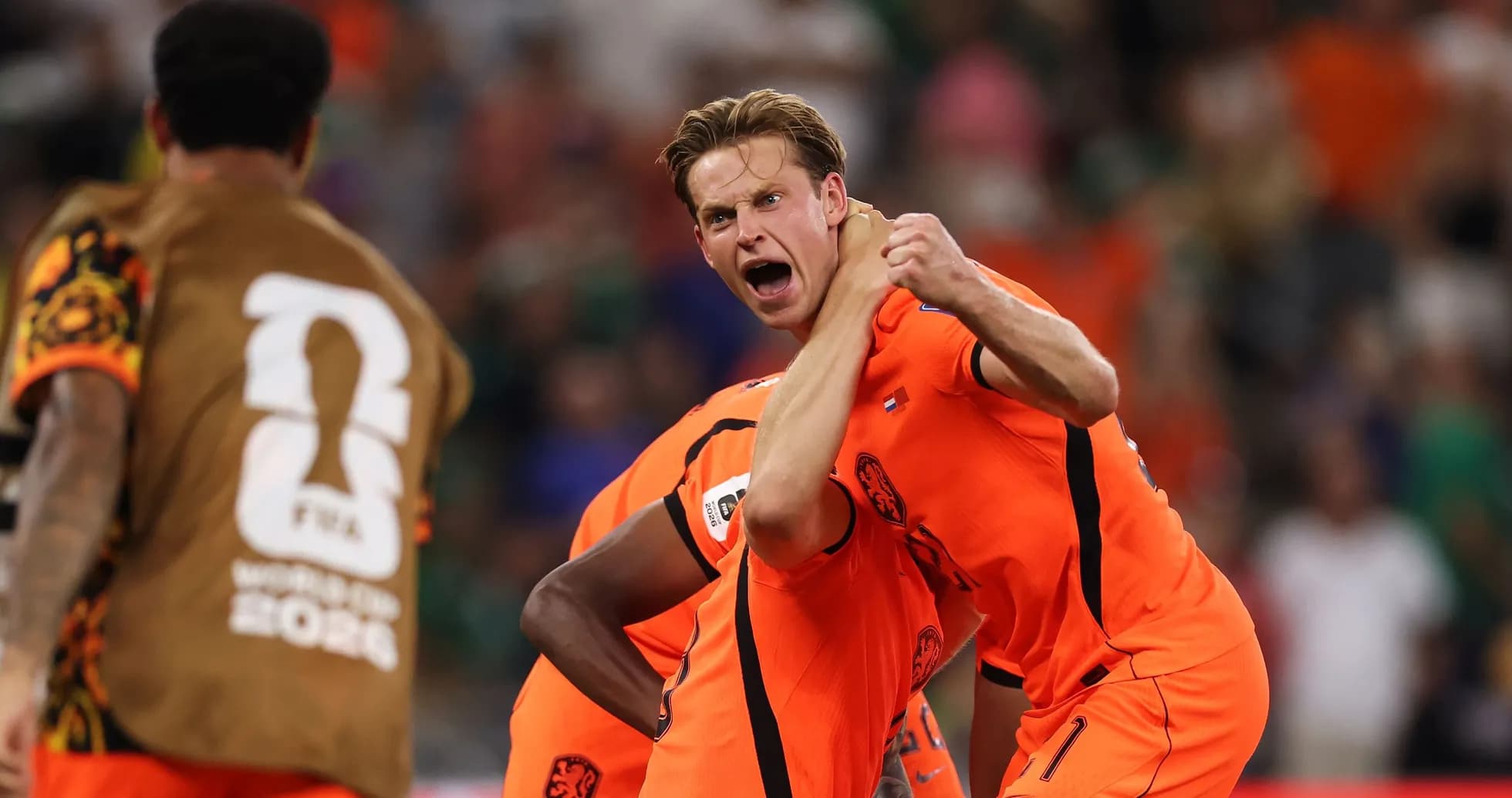
Another strand of identity runs through Rotterdam. Dutch heritage made Feyenoord the natural club, and the Netherlands national team the permanent emotional anchor. The 2010 World Cup final wasn’t just a match; it was a personal fault line. A 2013 friendly against Indonesia brought Oranje into the same physical space as home, while Oranje Indonesia watch parties helped stitch together community, memory, and obsession.
Arjen Robben and Giovanni van Bronckhorst sit at the top of the personal pantheon. Robben, the eternal threat cutting inside from the right. Van Bronckhorst, the captain, the leader, the left foot that still echoes in World Cup highlight reels. They’re not just favorite players; they’re reference points for what football can look like at its most decisive.
Then there’s Football Manager 2005, and a club from the Basque Country that refused to play by everyone else’s rules. Athletic Bilbao’s philosophy — the commitment to local identity in a globalized game — left a mark that never faded. It shaped how clubs are viewed, how stories are framed, how “success” is defined.
Off the pitch, the sporting map widens. The Chicago Bulls and Golden State Warriors entered the picture through giants of the game: Michael Jordan, Derrick Rose, Stephen Curry. Different sport, same pull. Greatness, vulnerability, reinvention. The themes translate.
Professionally, the center of gravity remains clear: Indonesian football and Liga 1. That’s where the deepest knowledge lies — data, trends, stories that don’t always make the headlines but define the ecosystem. From there, the view expands across Southeast Asia and East Asia: Thailand, Malaysia, Vietnam, Japan, Korea. Leagues with their own rhythms, rivalries, and rising stars, often underreported, rarely lacking in drama.
The toolkit has grown with the game. Writing is still the core, but it’s no longer enough to live only on the page. There’s digital and social media work: cutting Instagram reels, shaping podcasts, building narratives in 30 seconds as well as 3,000 words. There’s player profiling, long-form features, live broadcasting, interviewing, photography. Even language becomes a bridge — basic français and español opening doors in mixed zones and training grounds.
The favorite memories don’t come from press conferences in five-star hotels. They come from the road.
Backpacking and football assignments merged into one long, rolling project: tracking down Indonesian players scattered across Southeast Asia and Europe. The Netherlands, Belgium, Germany, France, Japan — not as tourist stops, but as coordinates on a map of Indonesian football’s quiet diaspora. Meeting those players where they live and work, hearing how they adapt, struggle, and grow abroad, turned simple interviews into something more personal.
Those conversations became a body of work that still feels different. Not just who scored, who signed, who got promoted. But who left home, why they took the risk, and what it cost them. That archive of interviews remains one of the most cherished parts of this career.
Every football person has an All-Time XI in their head, even if they pretend otherwise. This one resists finality, but a few names refuse to move. In goal, it’s Manuel Neuer or Rogério Ceni — the modern sweeper-keeper versus the goalscoring cult hero. At the back and in midfield, Javier Zanetti, Sergio Ramos, N'Golo Kanté, Toni Kroos. On the wings and up front, Arjen Robben, Mo Salah, Zlatan Ibrahimović. Pulling the strings, Juan Román Riquelme or Michael Laudrup, depending on the mood and the opponent.
Some legends miss out — Lothar Matthäus, Zinedine Zidane, Ronaldo — not because they lack greatness, but precisely because they appear in almost everyone else’s dream team. The omissions say as much about personal taste as the inclusions.
In the end, this isn’t just a CV. It’s a map of how football shapes a life: from Bandung terraces to AFF corridors, from late-night deadlines to early-morning flights, from a Thai goalkeeper in 2006 to Indonesian trailblazers in far-flung leagues. The work continues, because the game never really stops.





