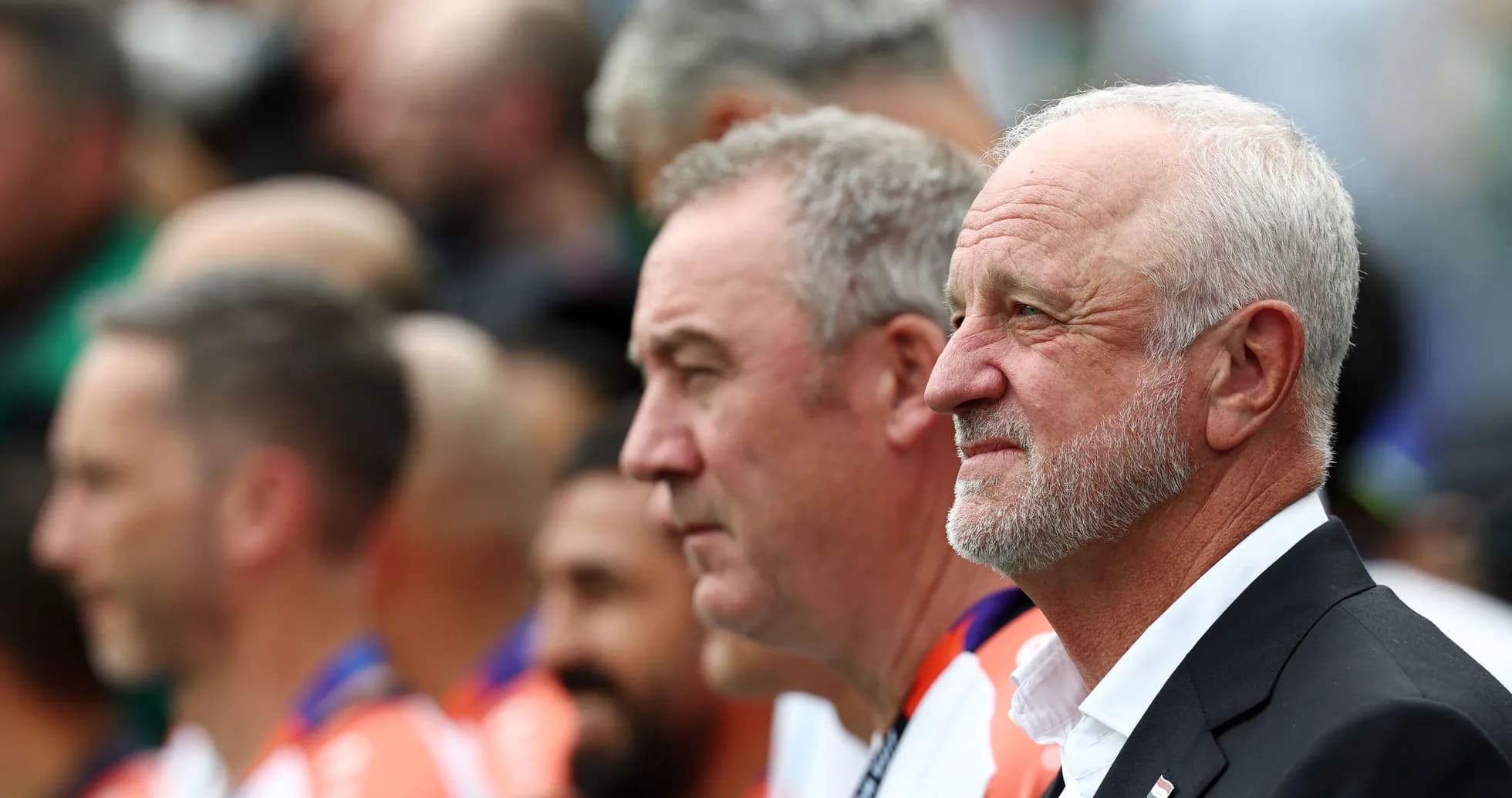
Feyenoord Board Criticized for Transfer Window Mismanagement
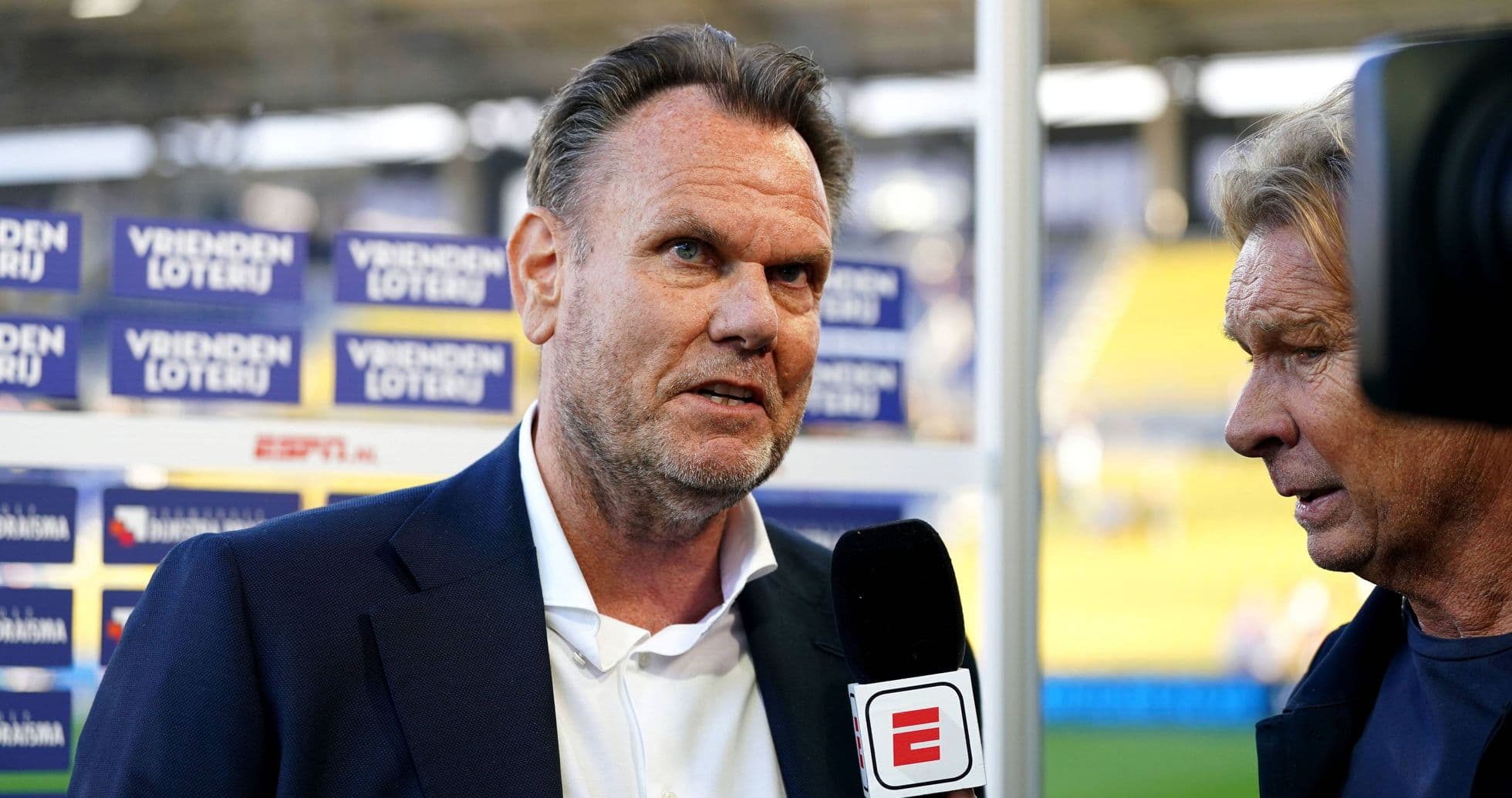
The knives are out in Rotterdam, and they’re pointed squarely at Feyenoord’s new power brokers.
On De Telegraaf’s Kick-Off podcast, Mike Verweij and Valentijn Driessen tore into technical director Dévy Rigaux and general director Robert Eenhoorn, accusing the duo of mishandling a transfer window that, in their eyes, should have transformed the club’s finances.
“They had the money – and the players”
Verweij did not spare Rigaux, who had previously been critical of his predecessor Dennis te Kloese.
“Rigaux has taken a huge swipe at his predecessor Te Kloese,” Verweij said as the conversation turned to Feyenoord. “But now it turns out that Te Kloese, with the money for Hadj Moussa included, had 40 million.”
Then came the numbers. Hard, specific, and damning in Verweij’s view.
“There was a bid of 25 million for Ueda, who was sold far too cheaply to Lille OSC. And Read could almost have risen to 35 million. And Hull City bid 20 million for Targhalline.”
Add it up, and the criticism is obvious: Feyenoord, they argue, sat on a goldmine and walked away with loose change.
“If they had simply done their job and sold the right players, Feyenoord would for the time being have had a great deal of financial resources,” Verweij continued. “That same Te Kloese put together a squad there that was worth around €120 million. So I think Rigaux and Eenhoorn did something wrong in this transfer window. If they had sold Read immediately, they could have been much more effective in the transfer market.”
In other words: the squad value was there, the offers were there, the market was there. The execution, according to Verweij, was not.
The shadow of Friends of Feyenoord
Driessen quickly picked up the thread and pulled it in an even more political direction. For him, this isn’t just about missed deals. It’s about who really runs Feyenoord.
“It all comes back to the Friends of Feyenoord again,” he said. “They have 49 per cent of the shares. And the moment Feyenoord pay €17.5 million, they lose 25 per cent. And in two years’ time, again.”
The structure, as he laid it out, creates a constant tension between sporting ambition and financial obligation.
“Feyenoord are also obliged to buy part of the shares if they post a positive transfer balance in a transfer window. And they certainly would have done that if one of those transfers had gone through. Then that transfer balance would have been so high that they would have been obliged to buy part of the Friends’ purchases.”
That is the crux of Driessen’s accusation: big outgoing transfers don’t just mean cash in the bank; they trigger contractual obligations to buy back shares from Friends of Feyenoord. And that, he suggests, is where the brakes were applied.
“Eenhoorn is simply an extension”
Driessen then went a step further, directly linking Eenhoorn’s position to the powerful investors’ group.
“The Friends of Feyenoord do not want out,” he claimed. “And Eenhoorn came in at the request of the Friends. He is their favourite, and became director. So he is not going to go against those Friends.”
From there, Driessen turned to the failed move of Hadj Moussa to Al-Ittihad, a deal that was widely reported but never materialised.
“Eenhoorn allowed himself to be influenced into not letting the Hadj Moussa transfer go through,” he said of the technical director.
The official explanation has centred on a rejected bank guarantee, but Driessen flatly dismissed that as the decisive factor.
“It concerns a €40 million transfer. It concerns Saudi Arabia, just ask Ajax. They have always had the money and are solvent.”
For him, the issue lay in Feyenoord’s behaviour, not the buyer’s.
“Feyenoord were also hardly reachable by phone, it was very difficult to get in touch with them,” he said. “It was dragged out for a very long time, and in the end the medical could no longer take place.”
The conclusion, in Driessen’s eyes, is clear and deeply political.
“Robert Eenhoorn is simply an extension of the Friends of Feyenoord. He is their mate. The moment someone puts you forward and you can serve their interests, that happens nine times out of 10. He has previously made it known that he is not exactly eager to buy out the Friends. And then you remain stuck with those Friends.”
A club at a crossroads
The picture painted on Kick-Off is of a club caught between sporting opportunity and ownership politics, between a squad that could have generated tens of millions and a boardroom wary of the consequences of cashing in.
Feyenoord now move forward with fewer transfer funds than they might have had, a restless public debate, and a power structure under scrutiny. The next window will not just be about who comes and goes on the pitch, but whether the balance of influence off it starts to shift at all.