Felix Keidel: Jürgen Klopp’s Bold Choice for Germany’s National Team
Jürgen Klopp promised a reset. Not a gentle transition, not a respectful nod to the old guard – a hard restart of the Germany national team. Nobody, he said in that first press conference, should feel safe.
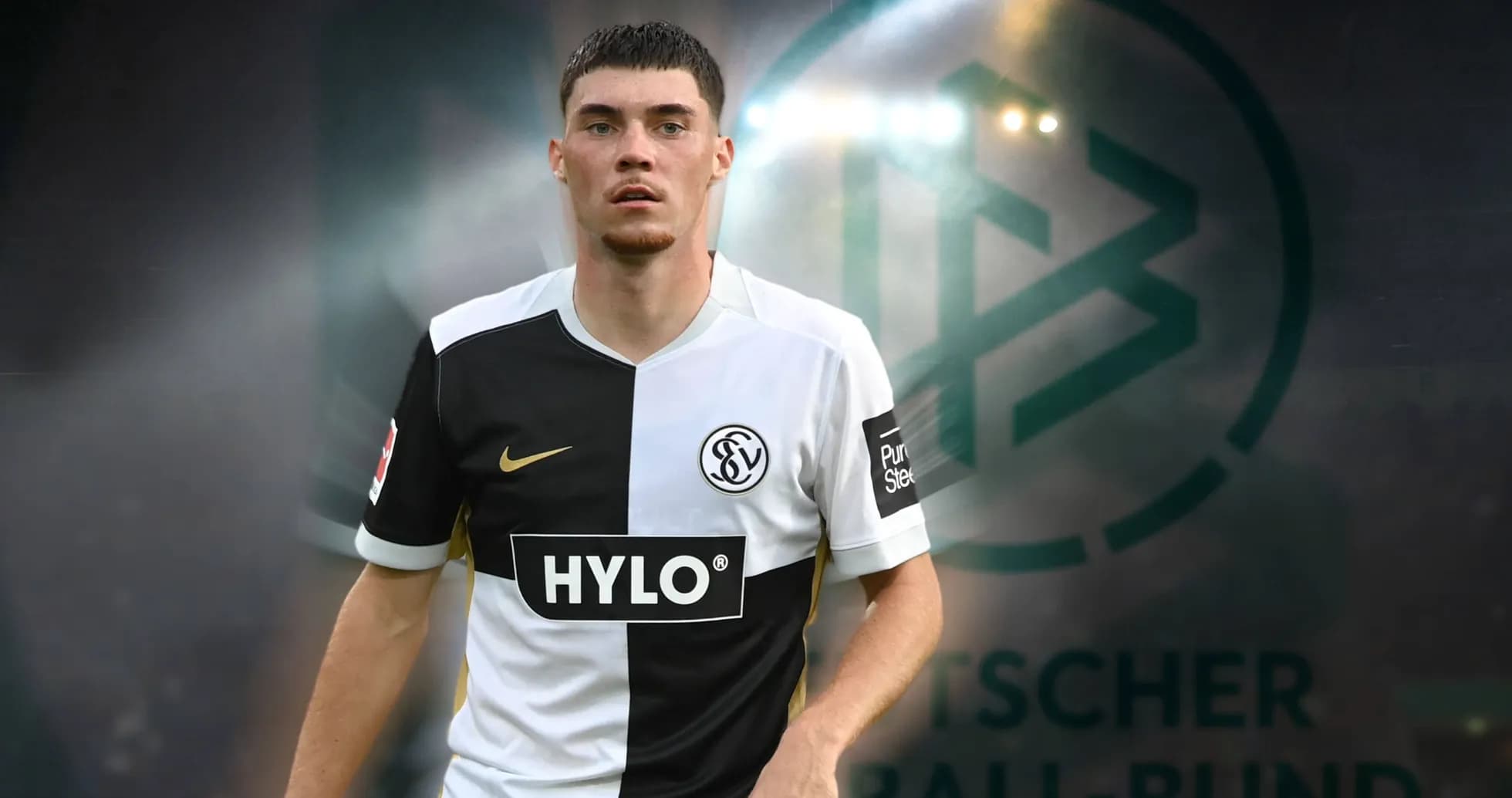
Now the first shockwave of that new era has a name: Felix Keidel.
From Ingolstadt’s youth ranks to a national-team call
On paper, Keidel is an unlikely standard-bearer for Klopp’s rebuild. He is 23, has only three Bundesliga appearances to his name, and until recently was grinding away in Germany’s third tier. Yet his story explains exactly why he has caught the eye.
Keidel joined FC Ingolstadt’s U19s in 2012 and simply never stopped climbing. He moved through every youth level at the club before stepping into the professional squad in the summer of 2022. Within months he had become a regular in the 3. Liga side, trusted at just 20 years of age.
That first full season in senior football underlined his resilience and adaptability. Thirty-seven league games, one goal, four assists – solid numbers, but the real impression came from his reliability. Week after week, he was there, delivering, learning, expanding his game.
Then came the leap.
In 2025, SV Elversberg, still smarting from narrowly missing out on promotion to 1. FC Heidenheim, moved decisively. They bought Keidel out of his Ingolstadt contract for around €400,000 – a modest fee in modern terms, but a clear signal that they saw something more than a squad filler.
They were right. Keidel barely needed a settling-in period. Under Vincent Wagner, he again forced his way into the core of the team, making 25 league appearances, 13 from the start. Elversberg, a club in upheaval but with momentum, surged all the way to the Bundesliga. Keidel was in the middle of it.
In a little over two years, he had climbed from the third tier to the top flight. No hype, no big-club academy badge, just steady progress and a growing reputation for doing whatever his coach asked of him – and doing it well.
Three games, one goal – and Klopp is convinced
At first glance, Klopp’s decision to invite Keidel into the national-team setup after such a short spell in the Bundesliga looks radical. Three league appearances – against Leverkusen, Gladbach and Bayern – one goal, plus a DFB-Pokal outing against MSV Duisburg, where he added two assists. That is the entire top-flight résumé currently on the table.
For a national team still haunted by three failed World Cup campaigns, it feels like a gamble. But this is precisely the kind of risk Klopp signalled he was ready to take when he revealed he had 57 players on his initial shortlist, including names with no previous DFB involvement.
Keidel’s numbers are not what brought him here. His profile did.
The Swiss army knife who never stops running
If there is a word that keeps coming up with Keidel, it is “versatility” – not as a cliché, but as a job description.
At Ingolstadt, Sabrina Wittmann turned him into a tactical Swiss army knife. Left-back, right-back, central midfield, attacking midfield, half-space roles drifting wide – there were few areas of the pitch he did not occupy at some point. His natural position is right-back in a back four, yet he rarely stayed confined to one label.
That chameleonic streak did not vanish when he moved to Elversberg. In the promotion season he operated mainly as a right-back, tightening his defensive game while still offering energy and width. Now, in the Bundesliga, Wagner increasingly trusts him in defensive midfield alongside Lukasz Poreba, where his reading of the game and work rate come to the fore.
For a national coach who wants intensity, flexibility and tactical intelligence, this is gold. Keidel covers ground, adapts to systems, and gives his manager options.
The right-back void Lahm left behind
Strip away the romance of Keidel’s rise and you reach the hard, tactical core of this call-up: Germany have a right-back problem. They have had one since Philipp Lahm retired and Joshua Kimmich shifted permanently into midfield.
Hansi Flick tried to patch it. Julian Nagelsmann did the same. Benjamin Henrichs, Ridle Baku, Josha Vagnoman – all had their moments, none nailed the role for the long term. Even Kimmich’s brief return to right-back at the 2026 World Cup felt like a short-term fix rather than a solution.
Every option seemed to come with an asterisk. Good, but not quite convincing. Promising, but not fully trusted.
Klopp, though, is not looking for a star name to fill a shirt. He is looking for a specialist who can lock down that flank in a back four, defend with discipline, and still offer the dynamism his football demands. In that context, Keidel’s profile starts to make more sense.
Strong engine. Comfortable on the ball. Used to defending wide spaces. Intelligent enough to slide into midfield when required. Tactical instructions stick with him. Coaches trust him. Those are the qualities that can quietly solve a long-term headache.
Ready for the leap – or one step too soon?
Nobody knows yet whether Keidel can make the jump from surprise call-up to genuine international option. The gap from Elversberg to elite international football is enormous. The scrutiny will be harsher than anything he has faced so far.
What is clear is that Klopp is not handing him a cap as a reward for a nice story. He is testing a player whose career has been built on constant adaptation, on saying “yes” to every new demand and then delivering.
For Keidel, this is an invitation and an examination rolled into one. For Germany, it is a calculated bet that a largely unknown right-back from a newly promoted club might finally close a wound that has been open since Lahm walked away.
If he passes that test, the most unlikely figure in Klopp’s revolution could end up solving one of German football’s most persistent problems.