The Evolution of European Football: From Maradona to Modern Super Leagues
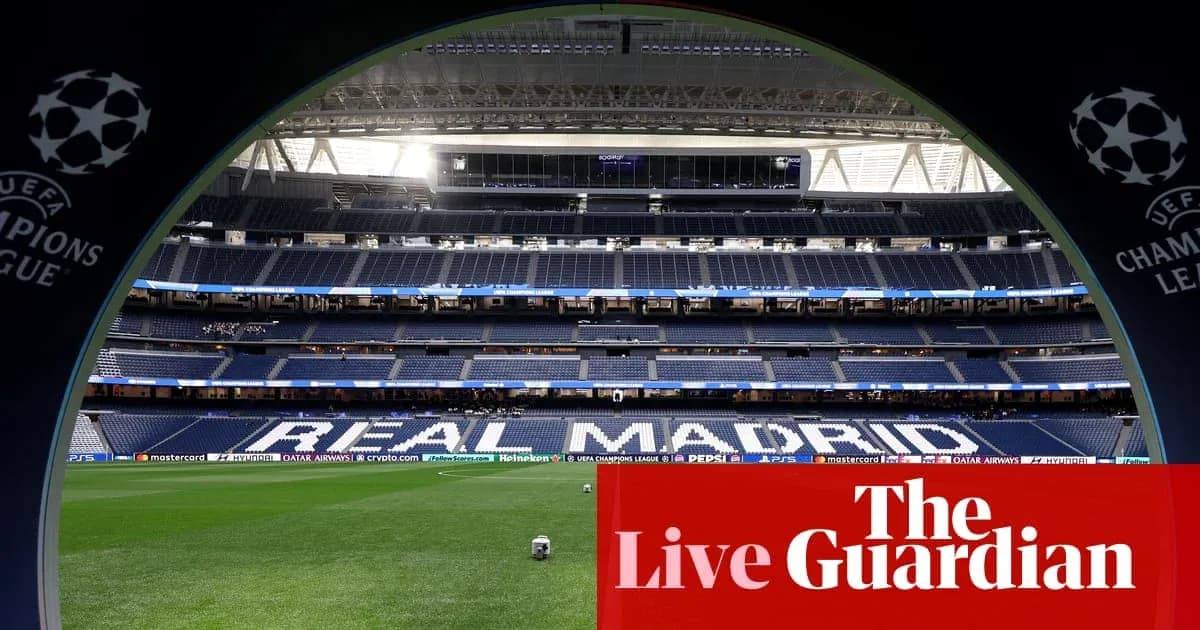
On a late-summer night in 1987, Diego Maradona walked into the white glare of the Bernabéu and straight into a wall. His Napoli, hyped and feared, met La Quinta del Buitre’s Real Madrid in the first round of the European Cup. First round. Two giants, one of them gone before the competition had even cleared its throat.
Madrid won 2-0 in the first leg, the return at the San Paolo finished 1-1, and I Partenopei were out. A brief cameo instead of the epic everyone expected.
Somewhere else in Italy, a television magnate took note.
Silvio Berlusconi, then the ambitious owner of AC Milan, hated what he’d seen. Not the football, but the waste. A potential champion, and all the commercial and sporting theatre that came with them, tossed aside in September. He didn’t just grumble; he started to plot. If the European Cup could spit out Maradona that early, what might it do to his Milan?
So he pushed a new idea: a European super league, a closed or semi-closed shop where the biggest clubs would not vanish after 180 bad minutes. That particular vision never fully landed, but the shock it sent through Uefa did. Five years later, the Champions League arrived, a remodelled, richer, more protective version of the old tournament.
And still, it wasn’t enough.
One place per country for the champions became two, then three, then four. In some cases, now, even five. The logic was always the same: keep the heavyweights around, keep the money flowing, keep the marquee fixtures coming. The latest step, the so-called Swiss model, is that logic taken to its extreme. More games, more big-name collisions, less immediate jeopardy. Continental football reimagined as a long-running series instead of a knockout drama.
Gabriel Hanot, the French journalist who first dreamed up a European club competition, might look at this version and wince. His romantic idea of champions testing themselves across borders has morphed into a rolling festival for the richest. The purity has thinned. The spectacle has not.
Because then you see the fixture list. Real Madrid v Internazionale. And resistance melts.
How do you turn away from that? From a club that treats this competition as its private property, facing another that once bent it to its will under José Mourinho. The Portuguese coach arrives at this latest chapter with familiar noise around him: another “last chance”, another opportunity to prove there is still something left of the old alchemy, the siege-building, the big-night authority.
Across from him stands Cristian Chivu, no longer the composed defender who once followed Mourinho’s instructions to the letter, but the coach now in charge at Inter. For him, this is a return to the stage on which his former manager produced perhaps his finest work. The dynamic is irresistible: master and former disciple, both trying to impose their own version of control on a competition that rarely allows it for long.
And that is only one strand of the night.
In Dortmund, the Westfalen will rumble again. Borussia Dortmund host Villarreal, and much of the curiosity tilts towards Konstantinos Karetsas, the 18-year-old midfielder who has burst into the senior scene with the kind of early authority that makes scouts sit up and executives start recalculating budgets. Every touch he takes now is logged, replayed, debated. These are the evenings that turn promise into reputation.
Elsewhere, Porto face Manchester City in a meeting that says a lot about where the sport has drifted. A traditional European force, steeped in history and smart recruitment, up against the slick, remorseless machine that has come to define the modern era of state-backed dominance. Lille meet Real Betis, another tie rich with tactical intrigue and European aspiration, even if the global spotlight shines a little less brightly on it.
What does any of this mean in the long run, in a bloated format where the early stages blur into one long scroll of fixtures? The answer, right now, is almost beside the point. The calendar is packed, the stakes feel both stretched and strangely diluted, but millions will still lock in for every flick, every tackle, every flash of temper or genius.
And while Europe takes centre stage, the domestic game refuses to step aside. The League Cup rolls on with its own set of kick-offs, its own dramas tucked into familiar grounds at 7.45pm and 8pm BST. Managers rotate, youngsters get their first real taste, and clubs lower down the ladder chase the kind of night that can define a season.
So the menu is overflowing: Real Madrid v Internazionale under the bright lights, Dortmund and Karetsas against Villarreal, Porto v Manchester City, Lille v Real Betis, and a full slate of League Cup ties cutting across the evening.
The structure of the competition may have bent to the will of power and profit, but the simple pull remains the same as it was in 1987: a ball, a crowd, and the sense that at any moment, someone might do something you remember for the rest of your life.