The End of Neymar's Era: Ancelotti's Vision for Brazil's Future
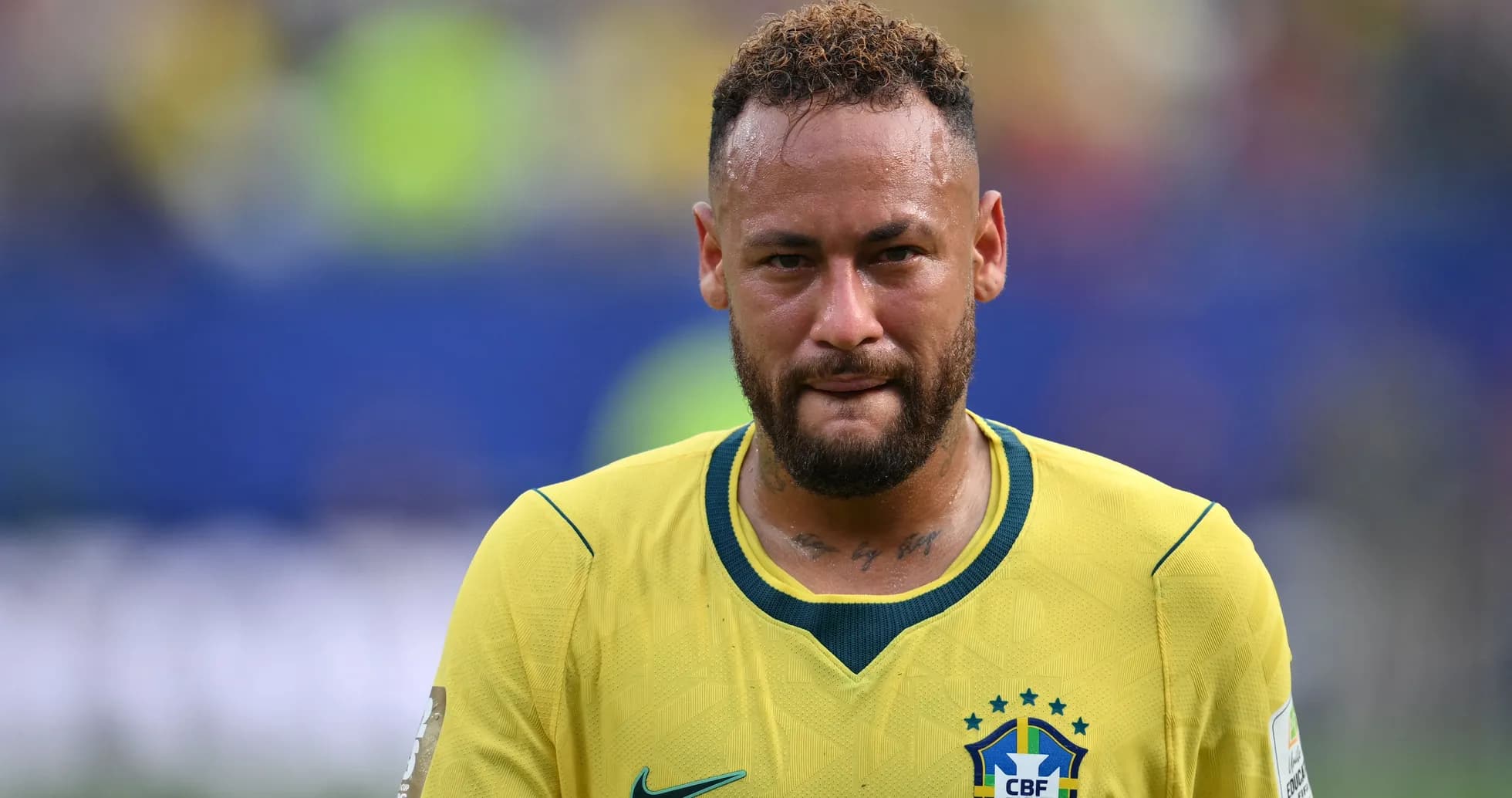
Carlo Ancelotti didn’t dress it up. No long goodbye, no open door left ajar. Neymar’s time with the Seleção is over – by the player’s own choice – and Brazil now has to learn how to live without the footballer who defined a generation.
In a wide-ranging interview with CNN Esportes, the Brazil coach confirmed what many inside the camp already suspected but few dared to state publicly.
“He deserved to be there because of his quality. Neymar has already confirmed that he does not want to return to the national team. Neymar cannot be replaced because he was an extraordinary and unique talent. So, an irreplaceable player.”
There it was. Final. Brutal in its clarity.
An Irreplaceable Talent, a Necessary Break
For more than a decade, Neymar has been the axis around which Brazilian football spun. Every squad list, every tactical plan, every World Cup hope seemed to pass through him. With that came magic, goals, global stardom – and an uncomfortable dependency that grew heavier with every failed campaign.
Ancelotti is under no illusions. There is no like-for-like replacement coming through the ranks. No new Neymar waiting in the wings. The coach isn’t even looking for one.
By calling him “extraordinary and unique,” Ancelotti both pays tribute and closes the door on any attempt to recreate the past. The message is clear: the next Brazil will not be built around a single genius. It will be built around a system.
A Radical Rebuild: From 2004 to 2008
With Neymar gone, the blueprint shifts sharply towards the future. Ancelotti and national team director Rodrigo Caetano are already deep into what amounts to a controlled revolution.
Veterans are quietly being eased aside. Teenagers and early-twenties hopefuls are stepping in.
“I think we need to proceed step by step. Now we need to focus on the young players who could be the future, the players born in 2004, 2005, and 2006,” Ancelotti explained. “We have young players born in 2008 with a lot of quality, who aren't playing yet, but who can play. Now is the time to look at them, taking their age into account and respecting it.”
It is a striking time frame. The horizon is not the next Copa América or even the 2026 World Cup. The real target sits further down the road: the 2030 World Cup, when this emerging core should be entering its prime.
Ancelotti, a coach who has managed dressing rooms full of superstars, is now talking like a builder, not a firefighter. Four years, maybe more. Layers, not quick fixes.
He also refuses to turn this into a crusade against experience.
“It's true that a player can play very well even at 36 or 37. Now is the time to prioritize the youth,” he added, drawing a line between respecting veterans and reshaping the hierarchy around them.
Breaking the Neymar Dependency
One of the enduring criticisms of the Neymar era was simple: Brazil leaned on him too much. When he shone, Brazil looked capable of beating anyone. When he faltered or missed out through injury, the team often seemed to lose its identity.
Ancelotti wants no repeat.
“I believe that in modern football, teamwork is what matters, not individual talent,” he said. “Of course, if you have great individual talent, you have a greater chance of winning, but modern football doesn't tolerate a lack of teamwork. We are working to build a strong team for the future, not to rely on a single great individual talent.”
That line could define his tenure.
The Italian is betting that a well-drilled collective, infused with youth and intensity, will give Brazil the edge in a game that has become faster, more structured, and less forgiving of passengers – even brilliant ones.
The next step in that transformation will not come in a World Cup knockout tie, but in the more modest setting of friendlies against Australia and India. On paper, routine assignments. In practice, auditions.
Several debutants are expected. These matches are not just about results; they are about discovering who can cope with the weight of the shirt, who can adapt to the demands of a modern, high-pressing, high-energy Brazil, and who can carry that standard into 2030.
Learning From a World Cup Wound
The urgency behind this reset is rooted in pain. Brazil’s last World Cup campaign ended too early and too quietly for a country that still measures itself by that trophy.
“I think the World Cup was a disappointment, we're sorry about that, but now we have to look forward,” Ancelotti admitted. “We have time to prepare a new generation of players. And now we'll use the friendlies to see the new young talents that Brazilian football is developing in action. I believe Brazil should be among the best teams in the world.”
Those words carry both regret and defiance. The disappointment has forced a rethink not just of personnel, but of philosophy. The federation, the staff, the players – all are being pushed towards a culture where accountability replaces excuses.
The friendlies to come are not warm-ups. They are the first bricks of a new structure, laid without the safety net of Neymar’s genius.
The era of waiting for one man to solve everything is over. The question now is whether Brazil’s next generation, armed with Ancelotti’s collective vision, can grow quickly enough to put the country back where he insists it belongs: among the very best, and chasing down that next World Cup.