EFL Championship Early Shape: Swansea, QPR, Charlton Lead
Four games in, the EFL Championship is already doing what it does best: defying logic and punishing slow starters.
Swansea, QPR and Charlton sit together on 10 points at the top of the table, each with their own reasons to cling tightly to this early momentum. For Charlton in particular, this brisk opening could prove vital once the relegation scrap inevitably gathers around Christmas. These are the points that keep you breathing in April.
Swansea look sharp and assured, their start more polished than frantic. QPR have matched them stride for stride, though this division has a habit of chewing up fast starters and spitting them out by spring.
West Ham, fancied for automatic promotion, stumbled through their first three matches but snapped into gear with a convincing win over Wolves. That result felt like a reminder: they still have the squad and the budget to boss this league once they find rhythm.
At the other end, the alarm bells are already ringing. Preston have lost all four games. Burnley are still waiting for a first win. Stoke hover just above them. It is too early for full-blown panic, but not too early for concern.
Top eight after four matches
- Swansea – 10 pts
- QPR – 10 pts
- Charlton – 10 pts
- Wolves – 7 pts
- Boro – 7 pts
- Bristol City – 7 pts
- West Brom – 7 pts
- Birmingham – 6 pts
Bottom three
- Stoke City – 3 pts
- Burnley – 2 pts
- Preston NE – 0 pts
The table will twist and turn a hundred times from here. For those at the top, the trick is to turn a bright start into a habit. For those at the bottom, the slide has to stop now.
No European football, no midweek continental travel, no excuse for heavy legs. Tottenham’s men enter September with a clear runway and a squad that, Richarlison’s situation aside, finally looks settled.
Roberto De Zerbi has four fixtures to turn early promise into points and calm any early nerves. The performance against Newcastle hinted at a team beginning to understand his demands, but they still walked away with nothing. That has to change this month.
Tottenham Hotspur men’s September schedule
- Nottingham Forest (5 September)
- Everton (12 September)
- Liverpool (EFL Cup, at Anfield, 15 September)
- Aston Villa (19 September)
Forest and Everton offer opportunities to build a platform in the league before the trip to Anfield, where the EFL Cup tie will test both depth and nerve. Villa at the end of the run will show whether Spurs are ready to mix it with the teams chasing the same territory in the table.
On the women’s side, a new era starts with questions everywhere you look. Big personalities and big players have gone, including Beth England and Molly Bartrip. The spine of last season’s team has shifted, and with it, the expectations.
Tottenham Hotspur women’s September schedule
- West Ham (6 September)
- Liverpool (away, 13 September)
- Crystal Palace (away, 20 September)
- West Ham (League Cup, 23 September)
- Aston Villa (27 September)
- Brighton (away, League Cup, 30 September)
West Ham twice, Liverpool, Palace, Villa, Brighton. It’s a demanding opening stretch for a side still learning what it is without some of its former leaders. The answers will come quickly. So will the judgments.
More than £300 million spent. Established names out. A new core in. Tottenham’s summer was not cautious; it was a statement.
The club hierarchy backed De Zerbi with a sweeping overhaul of a squad that flirted dangerously with relegation last season. Cristian Romero and Guglielmo Vicario departed, but the arrivals told their own story.
Mateus Fernandes headlined the rebuild, a marquee signing that underlined intent. Spurs then pounced smartly in the free-agent market, landing Marcos Senesi and Andy Robertson without transfer fees – the kind of opportunistic business that can transform depth and leadership in one move.
They paid full freight for Savio, betting on his ability to inject quality and unpredictability from the wing. Omar Marmoush adds another attacking option, a forward whose versatility could prove invaluable across a long campaign.
The most intriguing move? Mykhailo Mudryk. On paper, it is a strange fit. His Tottenham role is unclear, his long-term impact uncertain. The question hangs over the deal: can De Zerbi unlock the talent Chelsea struggled to harness, and if he does, what does that mean for Spurs’ long-term planning?
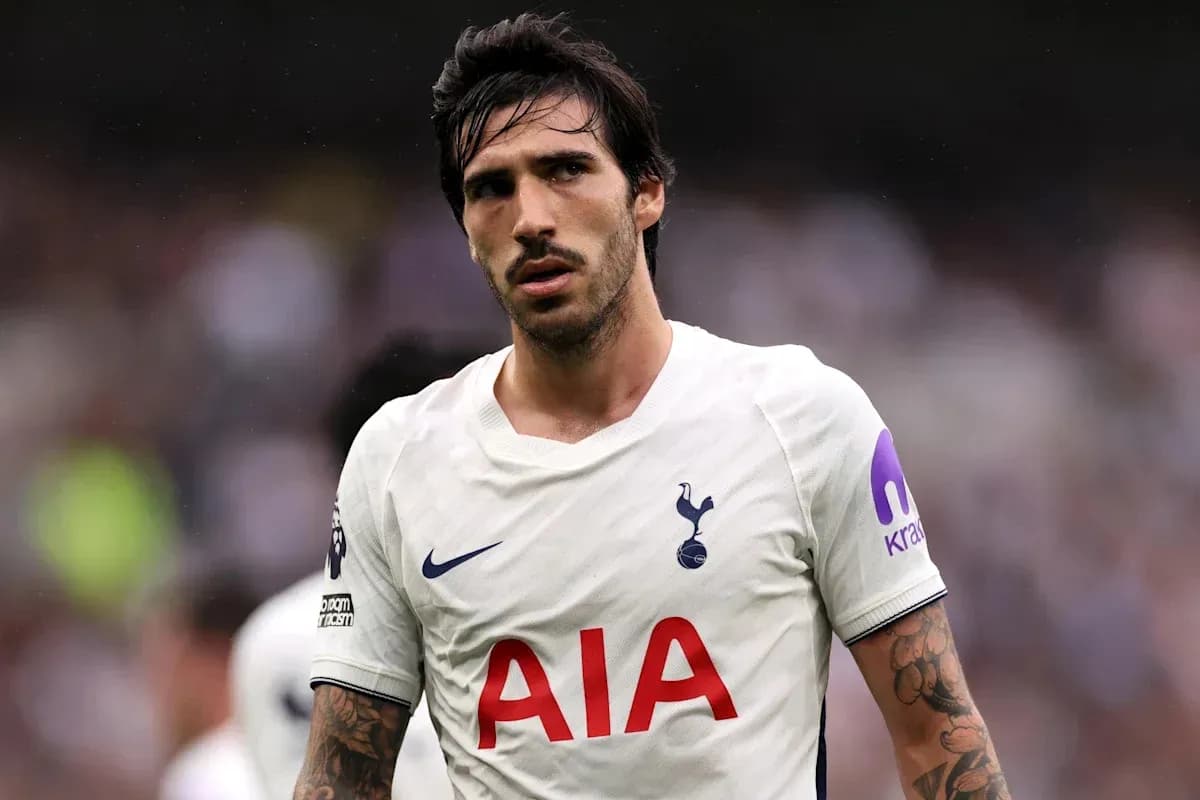
Sandro Tonali’s arrival adds heft and class in midfield, another sign that this was a window built for immediate elevation, not gentle evolution. On paper, it all screams “successful rebuild.”
Yet there are clear missteps and nagging doubts.
Letting Will Lankshear leave feels like a gamble that may age badly. A loan pathway seemed available, a way to nurture his potential without cutting ties. Tottenham have protected themselves with a sell-on clause, but talent once lost is rarely fully recovered.
In goal, the picture is even murkier. Martin Dúbravka does not look like a genuine threat to Antonín Kinský’s starting place, and there is still no real sense that Kinský is the long-term answer. With so much money spent elsewhere, the chance to decisively upgrade the position appears to have slipped by.
Even so, judged as a whole, the window lands in positive territory.
Transfer window rating: B+
The money has been spent. The squad has been reshaped. The excuses have thinned. Now the question sits squarely with De Zerbi: can he turn this bold, expensive bet into a team that finally matches Tottenham’s ambition?