Edu's Nottingham Forest Departure Marks a Low Point
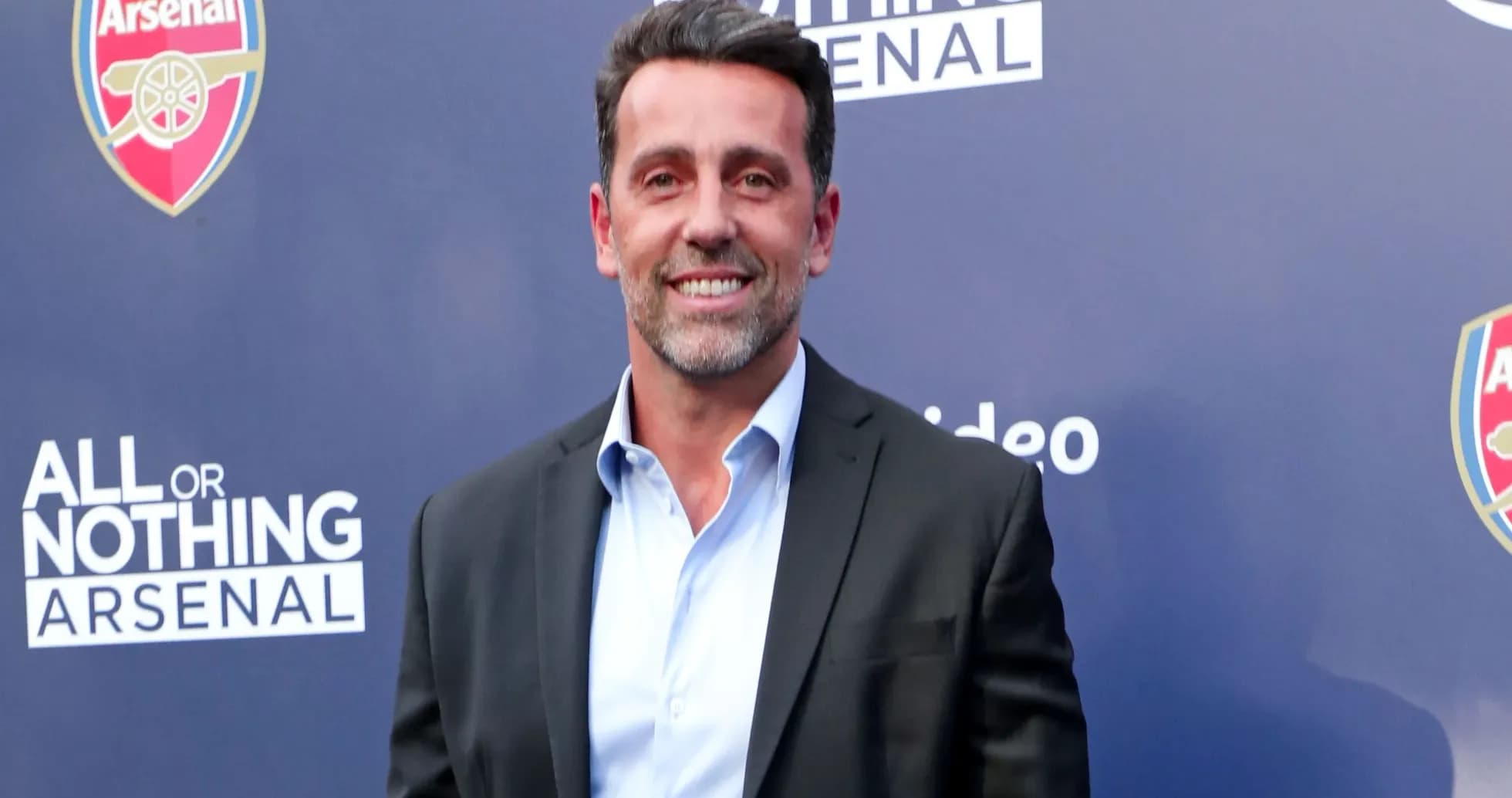
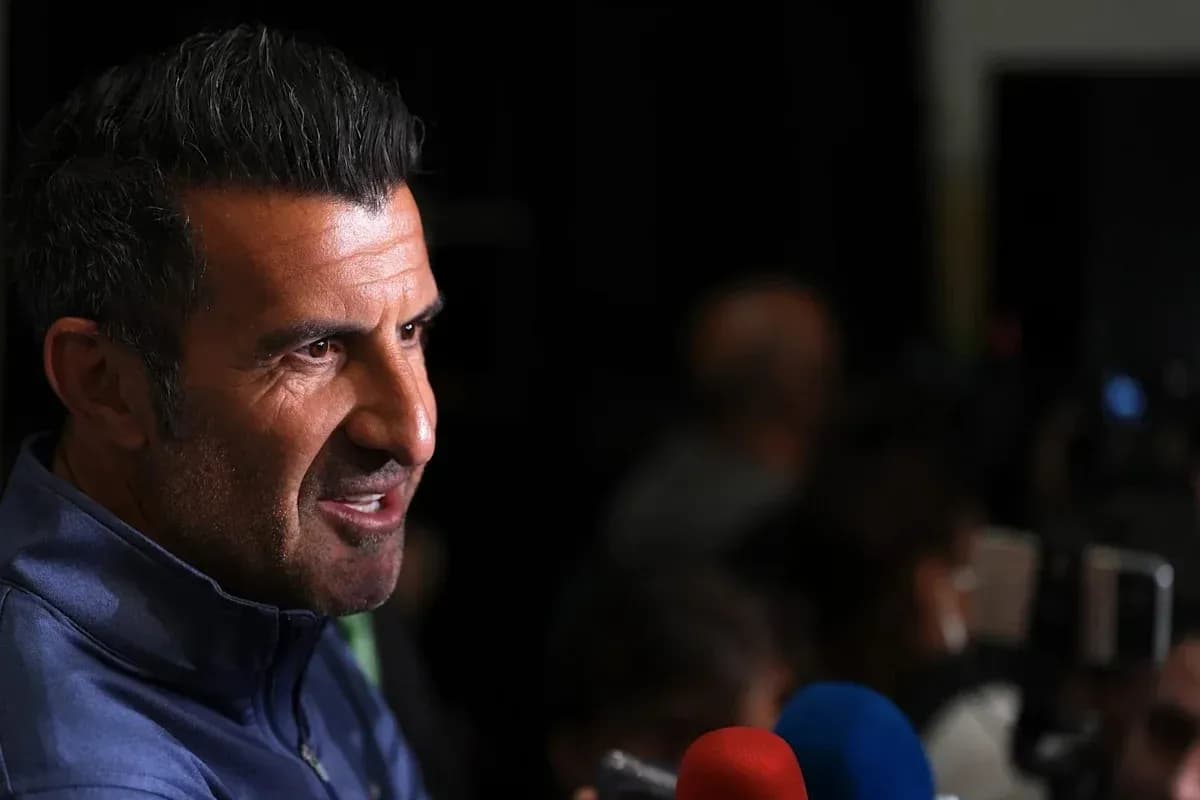
Edu’s Nottingham Forest experiment ends in silence, not ceremony. Just over a year after arriving to spearhead an ambitious multi-club project, the Brazilian executive has officially left the club, his departure confirming what had been obvious for months: he was already out of the picture.
He had not been seen at a Forest match since February. He stopped visiting the City Ground and the training ground in early March, when the first reports surfaced that his time at the club was coming to an end. From that point, he was Forest’s head of football in name only.
A quiet exit and a new power structure
Forest have no intention of replacing him like-for-like. There will be no big announcement, no public line in the sand. Instead, the power has already shifted.
Chief Football Officer George Syrianos has steadily taken on more responsibility since Edu was sidelined, stepping into the vacuum at the top of the football operation. Syrianos’ expanded role also cushions the blow of losing Ross Wilson, who left for Newcastle United in October last year. The hierarchy has been reshaped not with one decisive appointment, but with a gradual redistribution of influence.
Edu’s role, once central to an ambitious vision, has effectively been dismantled without fanfare.
From European push to relegation fight
The scrutiny on Edu intensified during a season that lurched from promise to chaos.
Under Nuno Espirito Santo, Forest had been looking upwards, flirting with the idea of a Champions League push. That optimism evaporated quickly. A breakdown in the relationship between Nuno and Edu detonated the project, leading to Nuno’s departure and triggering a spiral that dragged the club into a relegation battle.
What followed in the dugout bordered on farce. Ange Postecoglou, hired to steady and elevate the side, lasted just 39 days. Sean Dyche came next, a very different profile, a very different idea of football. He was gone by February. Vitor Pereira’s stint was brief, another short chapter in a season that never settled.
Eventually, Forest turned to Oliver Glasner, the former Crystal Palace manager, in search of something they had lost completely: continuity, structure, a clear line from the boardroom to the touchline. The bench became a revolving door, and every change only underlined how unstable the club had become on Edu’s watch.
Big names, little impact
The turbulence was not confined to the technical area. Edu’s transfer strategy drew heavy fire from fans and pundits alike.
Backed by significant investment, Forest went for recognisable names and strong reputations. The returns were meagre. Omari Hutchinson arrived with excitement but failed to shift the needle. Douglas Luiz, a proven Premier League midfielder, never imposed himself as the heartbeat of the side. Oleksandr Zinchenko, a serial winner at Manchester City and a key figure at Arsenal, struggled to make any meaningful impact at the City Ground.
The pattern was clear: big signings, small dividends.
For a club fighting to establish itself in the upper reaches of the Premier League, such misfires are costly. For an executive whose job is to build coherent squads and long-term identity, they are damning.
A sharp contrast to Arsenal acclaim
The collapse of his Forest project jars with the image Edu built in North London.
He joined Arsenal in 2019 as the club’s first technical director and quickly stamped his authority on the football structure. He backed Mikel Arteta, a former teammate, as head coach later that year and helped oversee a rebuild that dragged Arsenal back towards the top of English football. In November 2022, he was promoted to sporting director, a role he held until his surprise resignation in November 2024.
At Arsenal, he was seen as one of the modern game’s sharpest executives: a former player who understood the demands of elite football and could translate that knowledge into boardroom decisions. His work there, aligned closely with Arteta, restored his reputation after previous off-field roles and positioned him as a leading figure in European football administration.
Forest was supposed to be the next step. Instead, it has become an uncomfortable footnote.
A decorated career meets its lowest ebb
Edu’s exit from Nottingham marks a low point in an otherwise glittering career.
On the pitch, he was part of Arsenal’s legendary 2003-04 ‘Invincibles’ – a midfielder embedded in one of the greatest sides English football has seen. Off it, he built a substantial body of work before returning to Europe’s front line. Five years as director of football at Corinthians. A spell as an advisor to the Iran national team in 2014. Three years as general coordinator for Brazil, working at the heart of one of the most scrutinised national teams in the world.
Those roles forged his reputation as a capable, modern executive comfortable in high-pressure environments.
Forest, though, has told a different story. A fractured relationship with a head coach, a carousel of managers, and a transfer policy that failed to deliver have left his standing dented.
The club moves on with Syrianos at the forefront and Glasner in the dugout, still chasing the stability that slipped away. Edu moves on too, his time at the City Ground ending not with a statement of thanks, but with a question: where does one of football’s most decorated operators go after a fall like this?