Eddie Howe's Departure Sparks Turbulent Summer at Newcastle
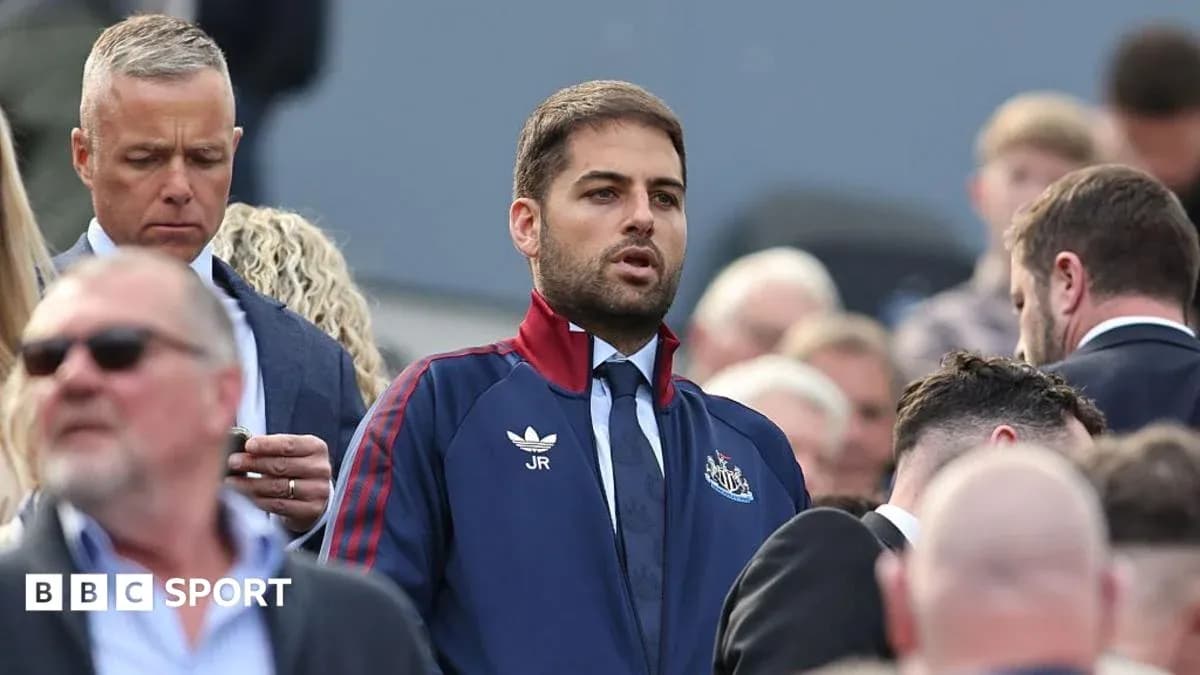
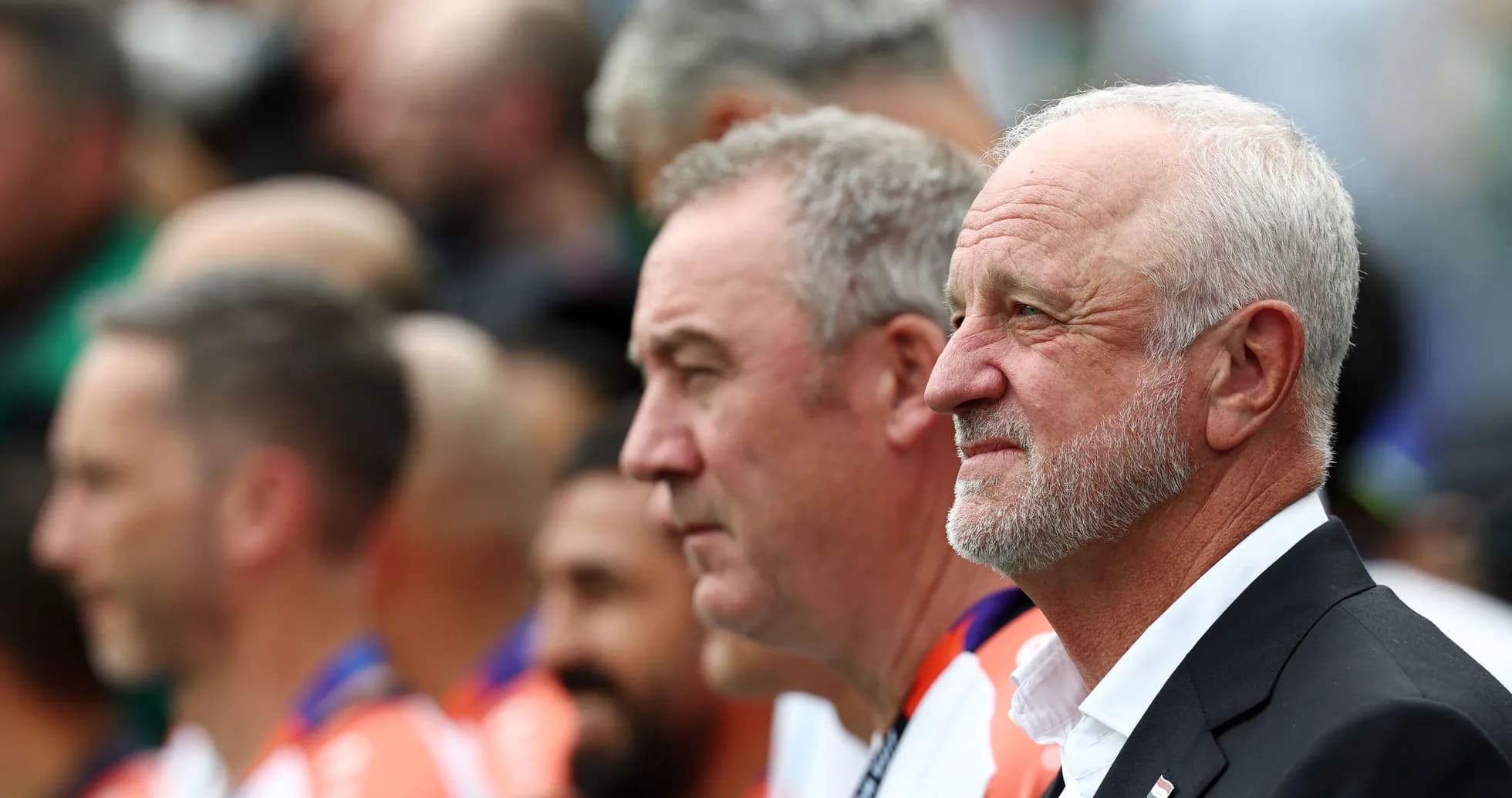
Eddie Howe’s departure from Newcastle United has been framed in many ways: a natural next step, an inevitable casualty of ambition, a difficult but necessary reset. Stephen Warnock sees it differently. To him, it was the moment the club lit the fuse on a summer of upheaval at St James’ Park.
The former Liverpool defender believes Newcastle didn’t simply lose their manager. They manoeuvred him towards the door.
Speaking on BBC Radio 5 Live’s Monday Night Club, Warnock argued that Howe was effectively cornered by a lack of backing when it mattered most.
“Newcastle were the ones who chose to get rid of their manager this summer, in my opinion,” he said. “They pushed Eddie Howe and gave him a decision to make.”
That “decision” came against the backdrop of a squad being stripped of some of its most important parts. Since the end of the 2025-26 season, Newcastle have seen Anthony Gordon depart for Barcelona, Sandro Tonali move to Tottenham and Bruno Guimaraes head to Arsenal. Three pillars of the project, gone in one window.
For Warnock, those exits and the treatment of Howe form part of the same story.
If a manager looks up at the boardroom and sees no serious investment, he suggested, the message is clear.
“If you don't back your manager, they will be sitting there thinking: ‘Well, hang about, I need money to strengthen here and you are tying my hands around my back.’”
In Warnock’s view, Newcastle’s hierarchy chose that route. They didn’t need to. They engineered it.
“The club didn't need to do that, they left him with a decision to make about his future at the club,” he said, painting a picture of a coach forced to weigh his ambitions against a ceiling imposed from above.
The discussion then turned to the sales of Tonali and Guimaraes, two of the most technically gifted midfielders in the league and symbols of Newcastle’s rapid rise under Howe. Were those departures forced by circumstance, or part of a calculated reshaping?
Warnock was blunt.
“Do people really think they didn't want to lose Sandro Tonali and Bruno Guimaraes? Because I think they absolutely would've taken £100m. These haven't been forced decisions.”
In other words, this wasn’t a club dragged reluctantly into the market. This was a club willing to cash in, even if it meant tearing out the core of a team built for the Champions League chase.
Across the studio, Rory Smith of The Observer saw the same summer, but a different motivation.
He praised what Newcastle have managed to do amid the churn, highlighting how the club have reacted to a landscape that shifted under their feet. For him, the story is not one of a board gleefully dismantling a contender, but of a club trying to stay on its feet in a storm it didn’t plan for.
“What Newcastle have done, amid all of the change, has been really impressive, but it is reactive to a situation they maybe wouldn't have chosen to be in at the start of summer,” Smith said.
On one key point, he pushed back hard against Warnock’s line.
“I disagree that they wanted to sell Tonali or Guimaraes. If they could have kept those two players, they would have.”
Two pundits, one club, two sharply contrasting readings of the same decisions.
To Warnock, Howe’s exit and the high-profile sales form a pattern of choice. To Smith, they look more like reluctant compromises in a market and regulatory climate that can ambush even the richest owners.
What is not in dispute is the scale of the reset. Newcastle have lost their manager and three marquee players in a single off-season. The project that electrified Tyneside has been stripped back and reassembled on the fly.
The question now is simple and unforgiving: did those in charge at St James’ Park orchestrate a bold new phase, or gamble away the spine of a side that was only just getting started?