
Ed Still's Coaching Struggles: A Cautionary Tale
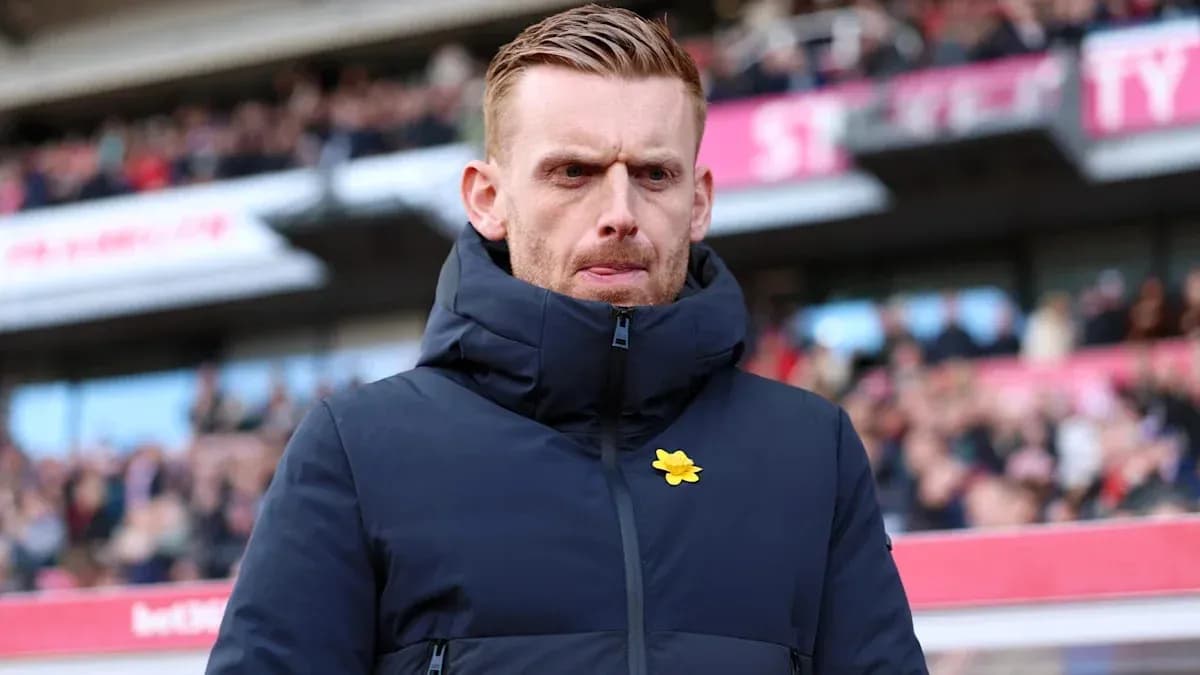
Ed Still falls again. Two jobs gone in a matter of months, another project cut short, another chairman demanding something different, something older.
RAAL La Louvière pulled the trigger after a 1-0 defeat to fellow strugglers Cercle Brugge at the weekend, a match that summed up the fine margins of his recent career. His side earned two penalties. They missed both. The coach paid the price.
It was not Still who stepped up from 12 yards. It was not Still who dragged those efforts wide or saw them saved. Yet the consequence landed squarely on his shoulders.
Club chairman Salvatore Curaba did not hide behind the scoreline. He made it clear he wants a more experienced head coach to handle the fight ahead, arguing that the current staff were simply too young for the scale of the challenge this season. For Still, only 31 and already on his third major setback since leaving Charleroi, it is a familiar verdict.
Losing the Watford job has become almost a rite of passage in modern coaching, a line on the CV shared by an ever-growing list of names. Still joined that group earlier this year after a brief, bruising stay in English football that never really caught fire. His dismissal there raised few eyebrows.
Look a little deeper, though, and a pattern emerges. Since his impressive work at Charleroi a few seasons ago, the choices and circumstances around his appointments have consistently stacked the odds against him.
At Eupen, he arrived as a firefighter. The Pandas were drifting towards the drop, the squad thin and short on quality. Still kept them in the league, doing exactly what was asked of him in the short term. Then came the twist: he was not given a summer to reshape the group, to bring in the players he felt were needed. The following season, without that reset, Eupen went down. His work there faded quickly from the narrative.
Kortrijk was even more chaotic. Still walked into a club late in the summer, just as the season kicked off, with barely any new signings. The ownership situation hovered over everything; talks with potential buyers dragged on, the proposed sale collapsed, and the coach arrived at the last minute with little influence over the squad. He did not win a single game. On paper, that record damns him. In reality, many would have floundered in the same storm.
Then came Watford, then the sack, and then a fresh start with RAAL La Louvière this summer. If Kortrijk had left him short of players, RAAL went the other way entirely. They flooded the dressing room. Fifteen new arrivals in one window, multiple options in almost every position, a squad swollen with faces still learning each other’s names.
For a young coach, that is both an opportunity and a minefield. Expectations rose quickly for a club many had tipped to struggle. Still had to sift through a bloated group, find combinations, build chemistry, and do it all under the pressure of early-season results.
The start offered hope. RAAL showed signs of life, enough to suggest they might punch above those gloomy predictions. But the numbers now define his exit: three wins, one draw, eight defeats. Seventeenth in the table. Another job gone.
The board’s response has been decisive. Plans are already in motion to recruit even more players in January for the incoming, more experienced coach. With 15 already through the door in the summer, departures feel inevitable. Another reset, another churn, another squad in flux. Any coach would need time to make sense of that. Still did not get it.
Could he have done better? Of course. Three wins in twelve is thin protection in a results business. Yet the context matters. Fifteen new players in a few months is a puzzle even seasoned managers struggle to solve. For a coach still refining his own identity on the touchline, it is a brutal learning curve.
The harsh reality now is that Still’s reputation in the Pro League has taken heavy damage. Eupen, Kortrijk, RAAL, Watford – the sequence reads like a cautionary tale about timing and fit. Clubs in trouble, squads in transition, boards in a hurry. He has rarely walked into stability.
That does not mean he is finished. Far from it. Before this run of turbulent head-coach jobs, Still built a strong reputation as an assistant at Lens and Anderlecht, where his tactical work and training-ground detail drew praise. In that role, without the full glare of the hot seat, he has already shown he can be a valuable asset.
The next move may define the rest of his career. Does he step back into an assistant role at a stable club, rebuild quietly, and wait for a better opening? Or does another struggling side, desperate for fresh ideas, hand him one more chance to prove he can lead from the front?
For now, the Pro League door looks close to shutting on him as a head coach. The question is whether someone, somewhere, is willing to look past the sackings and see the coach who once made Charleroi punch above their weight – or whether Ed Still becomes one of those talents football remembers as a nearly man, never quite given the right stage at the right time.





