Chaos at Duel Arena 1: Mike Perry's Nightmare and Shocking Upsets
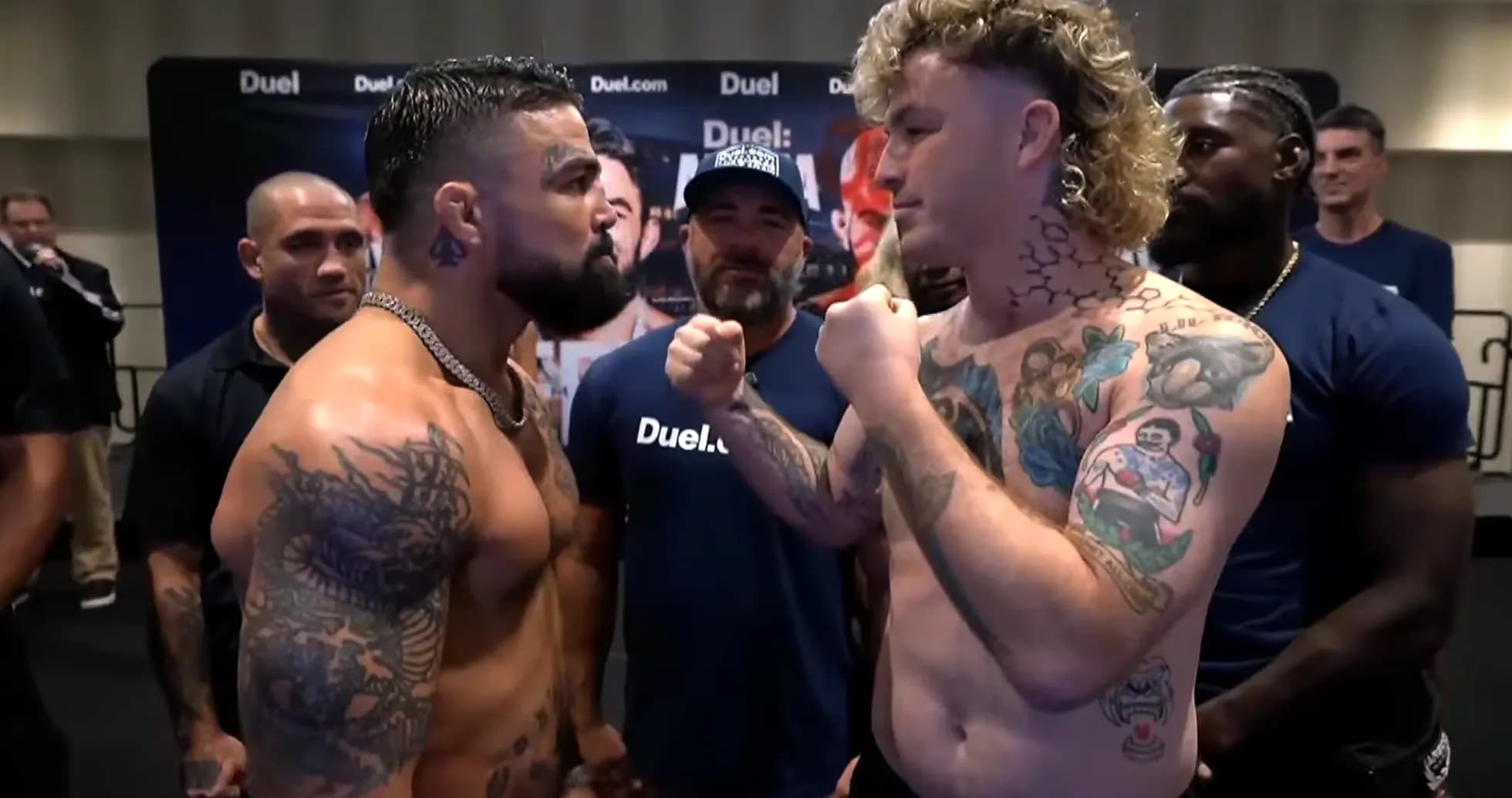
Duel Arena 1 arrived in Orlando promising a new twist on combat sports. It left the Kia Center looking more like a late‑night fever dream: real knockouts, real injuries, and a circus of controversy orbiting around them.
Backed by an online sportsbook and streamed for free on YouTube after an abandoned pay-per-view plan, the hybrid show mixed MMA, boxing and kickboxing in a ring. The promotion leaned hard into outrage marketing from the start, goading Dillon Danis on social media, mocking him with a “junkie fgt” slur from its official account, then hiring his mother, Nikki Carpiniello, as a ring card girl and splashing out a provocative image of her online.
Danis bailed on the main event a day before the show. The night still found a way to burn.
Perry’s Nightmare: Dislocated Shoulder, Home-Town Humbling
Mike Perry walked in as the self-styled “King of Violence,” talking as if Brandon Jenkins had signed his own death certificate by taking the main-event MMA fight on a day’s notice.
He walked out beaten, injured and helped off the canvas in front of his own fans.
From the opening bell, Jenkins refused to play the role of late replacement victim. He went at Perry, matched his aggression and refused to be bullied by the crowd or the occasion. Then came the turning point: Perry appeared to dislocate his left shoulder. Jenkins didn’t hesitate. He poured on pressure, targeted a compromised opponent and ultimately smashed the former UFC welterweight and BKFC headliner for a statement win.
On the broadcast, much of the talk turned to Perry’s injury, with the commentary leaning into excuses and lamenting what the fight “could have been.” But the evidence was already there: Jenkins had come to fight, and he finished the job. One man took the bout on 24 hours’ notice and left with the upset. The other had a showcase at home and blew it.
Manuwa Turns Back the Clock Against Sherman
Earlier on the main card, two former UFC names met under boxing rules. Chase Sherman, once a heavyweight fixture, dropped 46‑year‑old Jimi Manuwa in the opening round and looked poised to bully the smaller former light heavyweight.
The script flipped in an instant.
In the second round, Manuwa shook off the knockdown and started to find Sherman’s chin with sharp, thudding shots. The Brit, fighting for the first time in seven years, surged forward, backed Sherman up and forced a second-round stoppage. For a fighter long removed from the UFC spotlight, it was a violent reminder of the power that made him a feared name at 205 pounds.
Rowe Boxes His Way to a Win – and Calls for a UFC Return
Phil Rowe’s night was less dramatic but quietly significant. The ex-UFC welterweight outworked Javanis Ross over four rounds in a boxing match, sweeping one scorecard and taking two rounds on the other two.
Rowe used the platform to make a plea: remember me.
He once strung together a three-fight win streak in the UFC, then sabotaged his standing with repeated weight misses and a slide that saw him lose four of five before his release. Since then, he’s picked up one MMA victory and now this boxing win. It’s not much of a résumé on paper, but the sport has seen thinner cases earn second chances. Rowe clearly believes there’s still a chapter left to write.
A DQ, a Meltdown and a Dark Backstory
The most toxic storyline of the night came in the cruiserweight boxing bout between Ryan Pownall and Patrick Clark Jr., the former WWE performer once known as Velveteen Dream.
Clark arrived with heavy baggage. He was released by WWE after allegations of sending lewd images to minors and further accusations from another wrestler who said Clark groomed him as a minor. Clark publicly denied the claims but later issued an apology a couple of years ago for people he said he’d hurt through his past behavior.
Pownall, a podcast host turned fighter, refused to let any of it fade into the background. At Thursday’s press conference he repeatedly called Clark a “pedophile,” triggering an emotional meltdown. On fight night, Clark unraveled again, turning the bout into a spectacle for all the wrong reasons and ultimately getting disqualified after making a mockery of himself on repeat. Whatever this event was trying to be, this was its ugliest mirror.
Pownall, for his part, left with the win and the last word.
Cunningham’s Spinning Elbow Steal the Show – and Darkens It
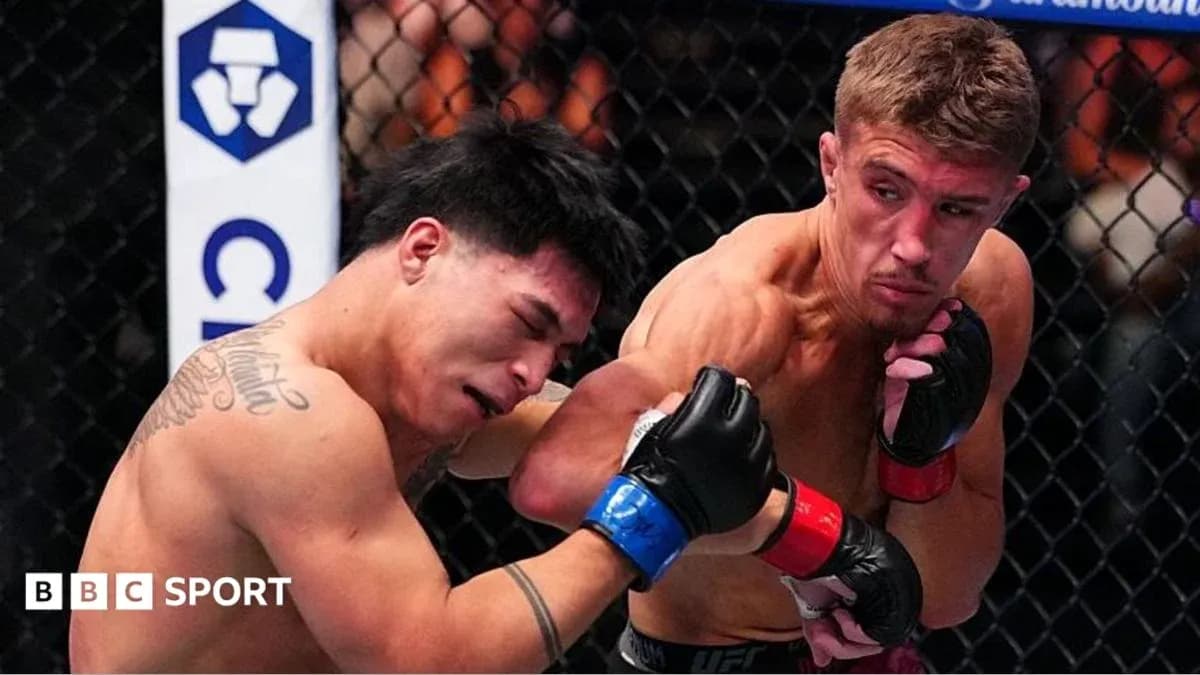
On the prelims, AJ Cunningham produced the cleanest highlight of the evening. A perfect spinning back elbow flattened Joe Penafiel and ended their lightweight MMA bout in violent fashion.
The knockout, on its own, was the kind of clip promotions dream about. The problem is the man behind it.
Cunningham, a former DWCS loser who later went 0-2 in the UFC before being cut, came in with nearly three years without a win and a reputation that extends far beyond the cage. He has been widely labeled a Nazi sympathizer and one of combat sports’ most despised figures, and he walked to the ring cornered by Jake Shields. The finish was spectacular. The reaction was anything but celebratory.
To underline the absurdity of Duel Arena 1’s matchmaking, Cunningham’s highlight came just before a bout billed as “a magician vs. a juggler.” On this card, even a brutal spinning elbow had to open for novelty acts.
The Circus Around the Fights
The chaos didn’t end with the fighters.
The show opened with a 4‑foot‑6 influencer boxing the 5‑foot‑6 owner of Duel.com, a bout preceded by a promo and followed by several minutes of dead air before the fighters actually walked. The owner lost a decision in a fight that barely registered beyond its novelty.
Between bouts, the production leaned into conspiratorial chatter, with extended on-air laughs about conspiracy theories and where Bryce Mitchell fits into that universe. With no real content to fill the gaps, the broadcast sent a backstage interviewer into the ring to explain what a boxing ring looks like, as if viewers of a combat sports stream needed a tutorial. The big reveal: the Duel Arena logo printed on the canvas.
There were lighter moments. The production team drew rare praise early on for sharp visuals and pacing out of the gate. But those flashes of professionalism clashed with the rest of the night’s tone, which veered between sideshow and shock jock.
At one point, the broadcast featured the so-called “King of Ass Magic” in a bout against a juggler. The spectacle was so absurd it felt ripped from a satire film, right down to the broadcast not even getting his name right on the graphic. Whatever this was, it was a long way from traditional prizefighting.
Results at a Glance
- Main card (YouTube, 7 p.m. ET)
- Brandon Jenkins def. Mike Perry (Welterweight MMA)
- Paul Miller def. Ben Azoulay (Heavyweight kickboxing)
- Jimi Manuwa def. Chase Sherman (Heavyweight boxing)
- Blake Anthony def. Nate Morrow (Featherweight MMA)
- Phil Rowe def. Javanis Ross (Super welterweight boxing)
- Ryan Pownall def. Patrick Clark Jr. (Cruiserweight boxing)
- Alex Nicholson def. Brad Taylor (Heavyweight MMA)
- Jack Grady def. Wade Stokan (Welterweight boxing)
- Preliminary card (YouTube, 6 p.m. ET)
- A.J. Cunningham def. Joe Penafiel (Lightweight MMA)
- Thomas Phillips def. Ossi Ketola (Super flyweight boxing)
Duel Arena 1 wanted to make noise. It did that and then some, blending genuine violence with manufactured outrage, viral‑bait gimmicks and a steady drip of controversy. The question now isn’t whether people noticed.
It’s whether this kind of carnival can survive once the shock wears off and the sport itself has to stand on its own.