Demichelis Faces Communication Challenge at RB Leipzig
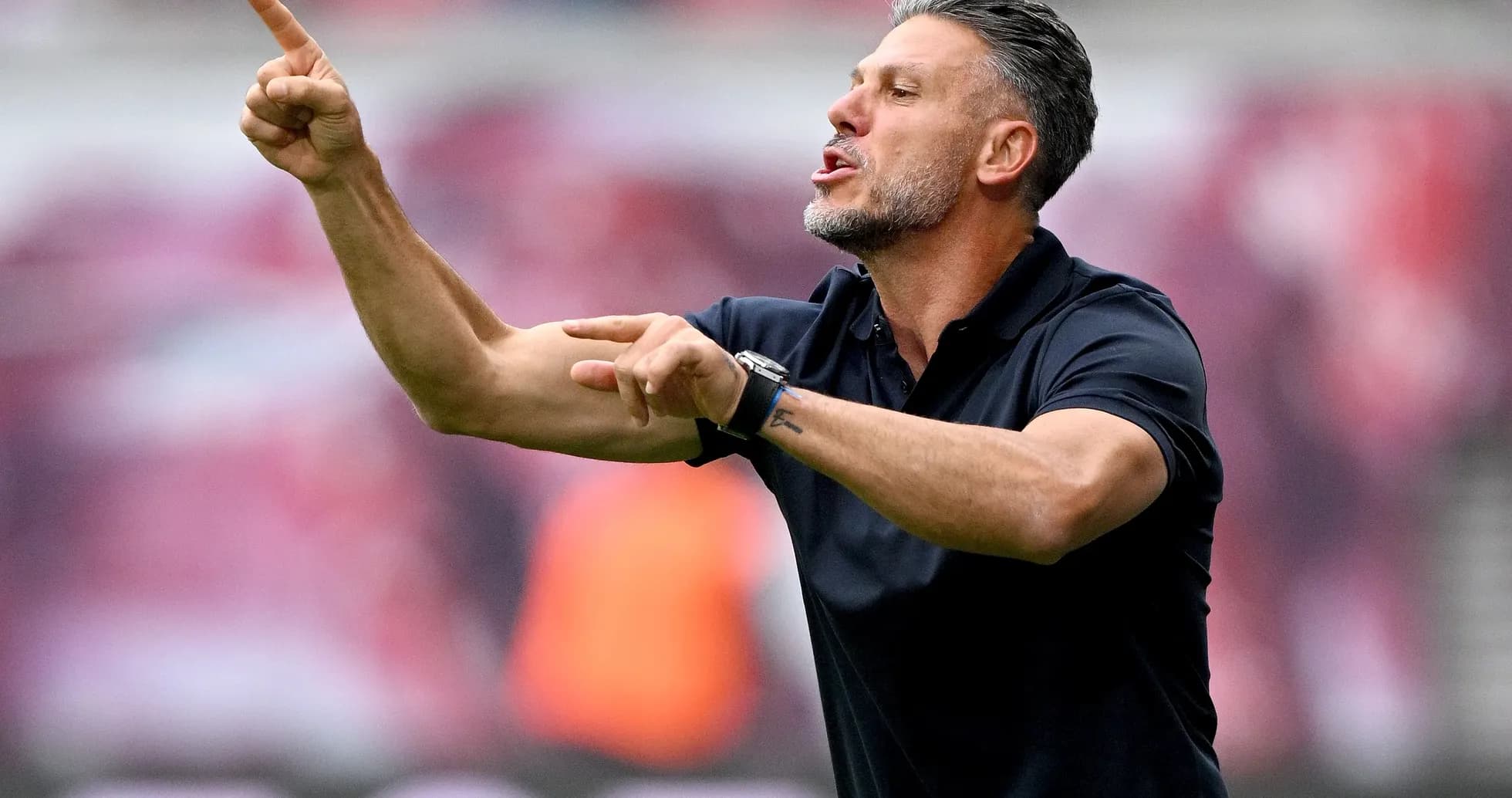
Martin Demichelis arrived at RB Leipzig in the summer as a bold, almost glamorous appointment. A former Bayern Munich stalwart, 45 years old, steeped in elite dressing rooms and high-pressure games. He walked into Saxony with expectations to match the club’s third-place finish last season and the Champions League stage that came with it.
He also walked in with a problem: he can’t properly talk to most of his players.
A dressing room split by language
The Argentinian coach reportedly speaks neither enough German nor enough English to deliver his tactical instructions directly to the full squad. For a club that prides itself on clarity, structure and high-intensity detail, that has created an almost surreal matchday reality.
Team talks don’t flow. They ricochet.
Babacar N’Diaye, the team manager, steps in for the French-speaking players. Goalkeeping coach Frederik Gößling relays the message in English. Assistant coach Cristian Fiél, the German-Spaniard, acts as another bridge, shuttling between languages and personalities.
One idea. Several voices. Different tones.
What starts as Demichelis’ message becomes a layered chain of translations. By the time it reaches the German contingent, players are said to be re-explaining instructions to each other afterwards, trying to piece together what their head coach truly meant. The raw emotion, the urgency, the rhythm of a coach in full flow — much of it gets lost in the relay.
At a club chasing fine margins, that is no small detail. It is a structural fault line.
Results turn the volume up
Language barriers are easier to tolerate when the scoreboard smiles. Leipzig’s has not.
The inconsistent start has dragged the communication issue into the spotlight. The 1-3 league defeat at Werder Bremen jarred. The 1-4 collapse in the Champions League against FC Como 1907 was worse: a performance that stripped away any illusion that Leipzig could simply ride out the early turbulence.
After the defeat in Como, Demichelis did not pretend to be surprised by the pressure building around him. He was clear about the brutal logic of the job, saying he knew there was not much time in football, especially at a big club, and that when you do not win, everything is judged negatively.
Those words resonated because they were true. Leipzig did not hire him to experiment. They hired him to elevate a team that had already finished third.
The response on the pitch, at least for one weekend, looked emphatic. A 5-0 demolition of HSV eased the immediate tension and bought the coach some breathing space. The performance showed what this squad can do when the pieces click, when the pressing syncs, when the talent flows in the right direction.
But one big win does not erase the doubts. It only pauses them.
Leipzig’s lofty ambitions now feel fragile. Early setbacks have already put last season’s standard under threat, and every misstep tightens the focus on a coach still trying to make himself heard in his own dressing room.
Club backs the project – with conditions
Inside the club, the message is different: hold your nerve.
Sporting managing director Marcel Schäfer moved to steady the noise last week with a clear public stance. He insisted Leipzig would remain calm and focused, that the club would stand firmly together — from employees to the team to the entire coaching staff. Everyone, he stressed, has their support and their trust.
He also reminded critics of something often forgotten when the table turns red: this is a newly assembled team. Routines, automatisms, shared instincts — they take time.
Yet Schäfer did not sugarcoat reality. Recent results, he admitted, do not meet Leipzig’s standards. The situation is being addressed “very clearly” behind closed doors, even if the club refuses to be blown off course by the current debate.
It amounts to a formal vote of confidence for Demichelis, but not a blank cheque. The expectations are sharp-edged.
The coach must make communication with his players more efficient. The team must string together convincing performances, not sporadic statements like the rout of HSV. The project needs visible progress, not just internal assurances.
Because at some point, the language of football reduces to one thing: results on the pitch.
Demichelis has the backing for now. The question is simple and unforgiving: in a club built on clarity and intensity, how long can a coach survive when his message still arrives second-hand?