David Moyes Reflects on Everton's Chaotic Deadline Day
David Moyes walked out of deadline day with a new playmaker, a new right-back and a hollow feeling he could not quite hide.
Everton’s manager admitted he “wanted to do more business” after a chaotic final few hours that saw a £40m deal for Monaco striker Folarin Balogun collapse at the last moment and star forward Iliman Ndiaye depart for Manchester City.
He will, as he put it, “live with disappointments”. This one will sting.
Balogun deal unravels after medical
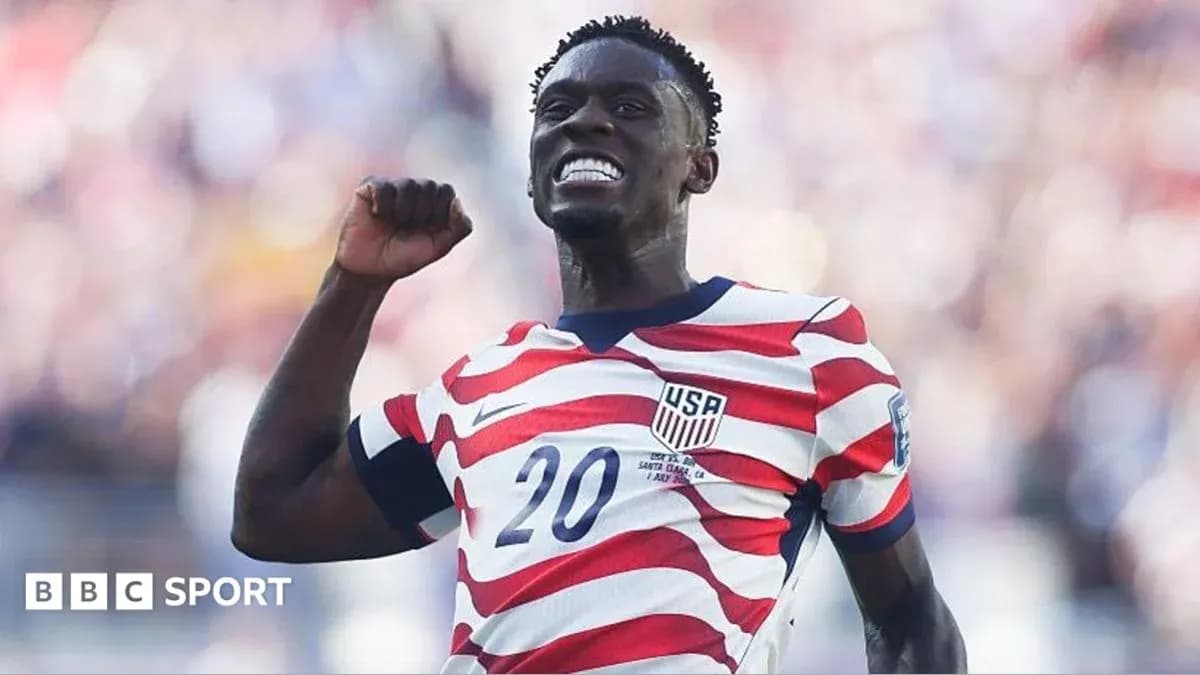
Everton thought they had their striker. Balogun, 25, had undergone a medical at Finch Farm, the clubs had renegotiated the original £40m agreement after an issue arose in those tests, and both sides even filed a deal sheet before the 23:00 BST deadline to buy themselves extra time.
All the familiar signs of a late-window rescue job were there. Then the move simply died.
The United States international, identified as a late target once Guinea-Bissau forward Beto sealed a permanent move to Fiorentina, changed his mind and walked away.
“It wasn’t anyone’s fault and ultimately it happens in football as the player had a problem in his medical and that was simply it,” Moyes said. “There are no other stories behind it. That is exactly what happened.”
Everton were left with no new centre-forward and very little time.
Near misses and one big loss
Balogun was not the only forward they chased. The club explored moves for Manchester United’s Joshua Zirkzee and Aston Villa’s Tammy Abraham, testing the water for two proven Premier League profiles. Neither could be persuaded to come.
The pressure finally told in another area of the pitch. Everton did land Jack Grealish on a season-long loan from Manchester City, a marquee name and a creative force who instantly changes the look of Moyes’ attack.
Yet the price of that attacking reshuffle was brutal. Iliman Ndiaye, one of the club’s most influential players, left for City in a £65m deal. The Senegal international scored 15 goals and supplied four assists in 67 Premier League appearances for the Toffees, often carrying their threat in tight games.
Moyes did not pretend it was part of some grand plan.
“We were looking to get some money in,” he said. “We lost Iliman Ndiaye, which is someone who we definitely didn’t want to lose, but sometimes it is difficult when the likes of Man City come along.”
The message was clear: financial realities and the pull of a title-chasing squad had forced Everton’s hand.
Defensive frustration, late arrival
At the other end of the pitch, the pattern repeated. Everton pushed for Kenny Tete, seeing the Fulham defender as a solution at right-back. The London club, unable to find a replacement in time, refused to sanction the deal.
The door closed. Another target gone.
Everton did manage to bring in Ainsley Maitland-Niles from Lyon for £3m, a versatile option who can cover full-back and midfield. It was a useful signing, but not the full defensive reinforcement Moyes had mapped out at the start of the week.
“Some things went against us and some things we could have done better,” he reflected. “Ultimately we didn’t want to lose a lot of the different players but for reasons that had to happen.”
Moyes left to make sense of a lopsided window
So Everton emerge from the window with Grealish’s star quality, Maitland-Niles’ flexibility, a sizeable fee banked for Ndiaye – and a lingering sense of what might have been.
No Balogun. No Zirkzee. No Abraham. No Tete. A squad altered, but not quite transformed.
Moyes insists he will move on. He has little choice. The question now is whether this patched-together version of Everton can keep pace in a league where clubs like City not only take your best players, but also shape the limits of your ambition.