Dallas Mavericks Embrace a New Era with Strategic Changes
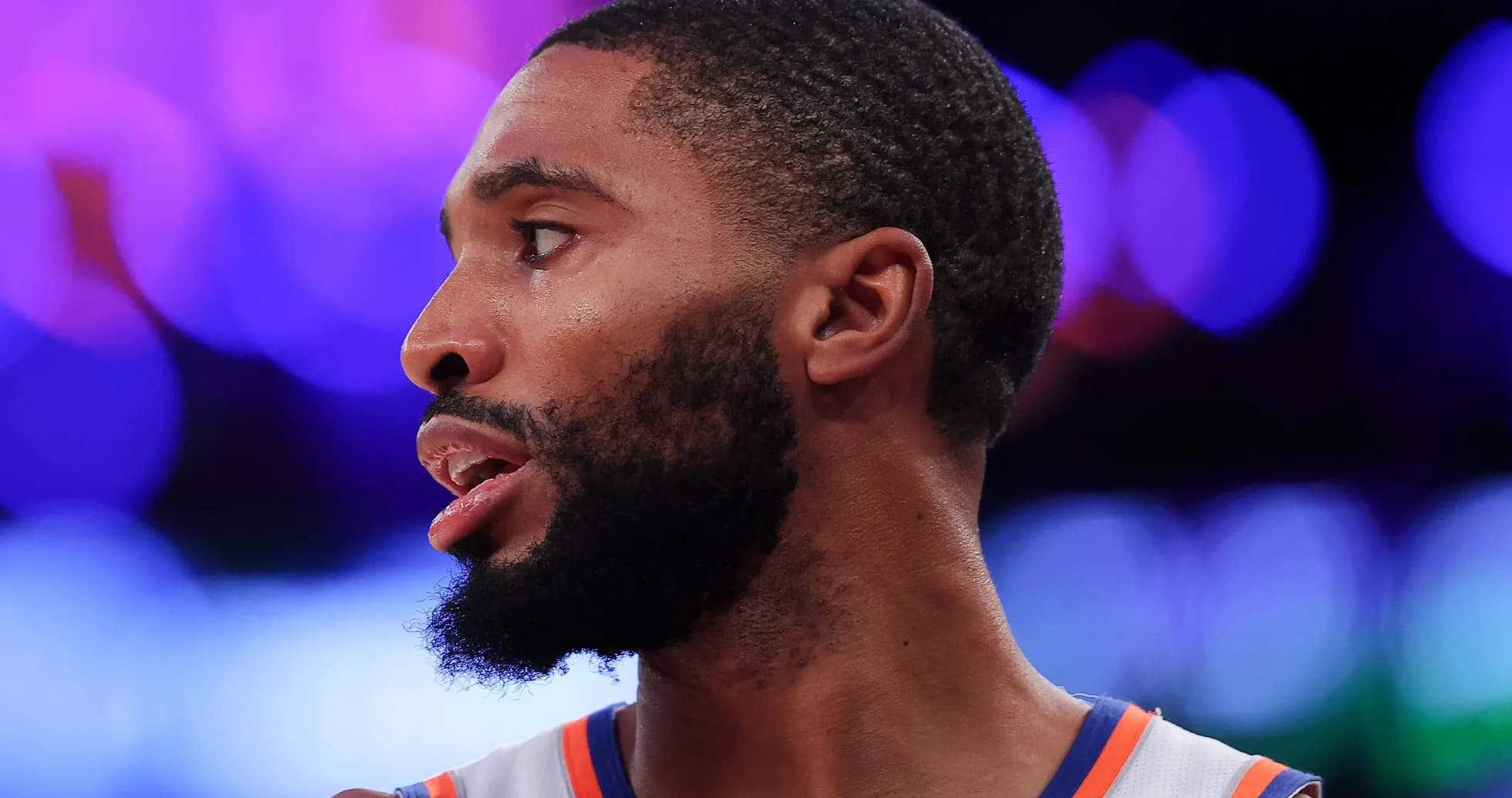
The Dallas Mavericks have stopped pretending they’re living in the middle. They’re tearing up the old blueprint and drawing one that runs straight through Cooper Flagg’s prime.
This isn’t a loud, chest-thumping rebuild. It’s something sharper: a calculated reset from the top down.
A New Power Structure in Dallas
The first real statement of intent didn’t come from a trade or a draft pick. It came from the owner’s suite.
After a season-long search, team governor Patrick Dumont handed the keys of basketball operations to Masai Ujiri, the architect of the Toronto Raptors’ 2019 championship. That move alone signaled Dallas is done dabbling around the edges. Ujiri doesn’t sign on to tread water.
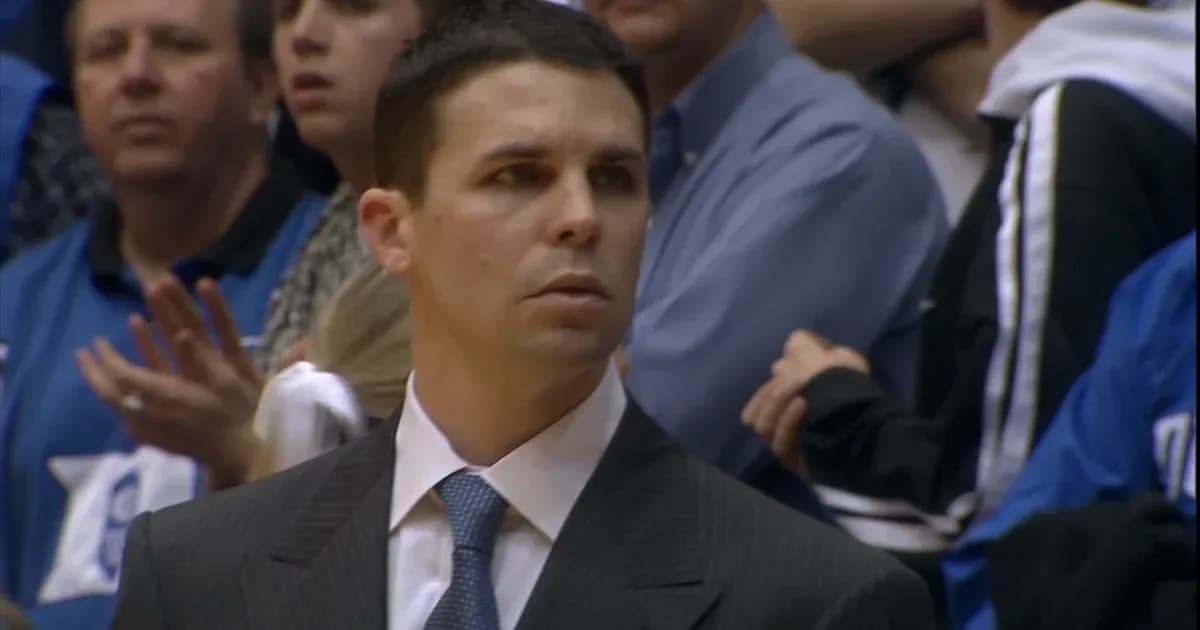
His first major call was ruthless and clear-eyed. Jason Kidd is out. Dusty May is in, fresh off an NCAA title run with Michigan and carrying the kind of modern, detail-obsessed approach that fits a young, ascending roster. A veteran coach for a win-now team makes sense. A rising college champion for a developmental arc makes even more.
The front office then went to work filling out the next wave of contributors. In a six-team deal, Dallas pulled in Santi Aldama, Marcus Sasser and EuroLeague veteran Tarik Biberovic — three players who can help now and grow with the group. The franchise also landed a former No. 1 pick in the trade web that sent Luguentz Dort from the Oklahoma City Thunder to the Atlanta Hawks, another swing at upside without sacrificing the future.
The pattern is obvious: younger legs, longer runway, higher ceiling.
The Kyrie Question and the Frontcourt Logjam
That shift puts a harsh spotlight on the veterans.
Kyrie Irving, P.J. Washington and Daniel Gafford are all proven pieces on a team with championship ambitions today. Dallas, though, is trying to thread a needle — remain competitive while reorienting the roster and the books around teenage phenomenon Cooper Flagg.
If the Mavericks move a core veteran, logic points away from Irving. His star power and offensive gravity can be the bridge for Flagg, a guide through the chaos of NBA defenses and playoff pressure. You don’t casually discard that kind of on-court tutor.
The frontcourt, however, is crowded and expensive. Dallas has more than $300 million committed to its big men, with Aldama and rookie Morez Johnson Jr. demanding minutes and, eventually, money. That’s where Gafford’s name keeps surfacing.
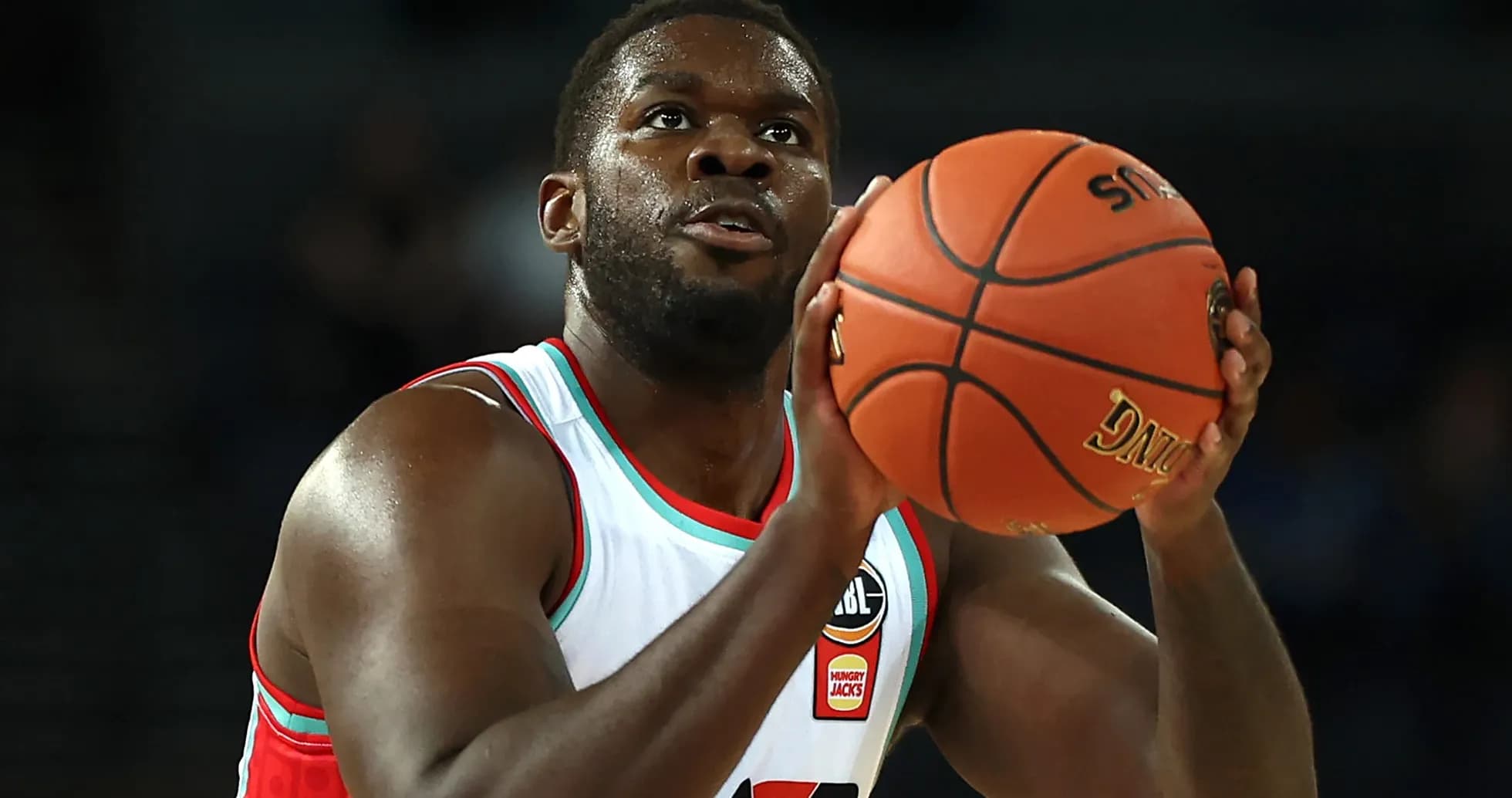
League insider Brett Siegel reported that the Mavericks actively explored Gafford trades this summer, even poking around deals while chasing Klay Thompson.
“They believed that they could get something (in a trade for Klay Thompson),” Siegel said. “There was nothing there. They were talking with teams about Daniel Gafford, about potentially trading him. Again, nothing really ever happened there.”
The holdup? Price. Dallas has been asking for a first-round pick for the 27-year-old center, a number that has cooled the market so far.
The big man pool around the league is shallow, though. At some point, a desperate contender or injury-hit team may blink.
A Knicks-Mavs Deal That Actually Fits
While Dallas weighs its options, New York is wrestling with a different kind of problem.
Fresh off a title, the Knicks watched Mitchell Robinson walk out the door to the arch-rival Boston Celtics in free agency. That leaves Karl-Anthony Towns as the only reliable big man, a luxury on offense but not a one-man answer for 82 games and a deep playoff run.
The cap sheet in New York is heavy. The second apron looms. They need size, rim protection and financial breathing room.
That’s where a clean, basketball-first trade concept emerges:
- Mavericks receive: Mikal Bridges
- Knicks receive: Daniel Gafford, Caleb Martin
From Dallas’ side, it’s a reset with purpose. They offload two veterans, carve out future flexibility and open more developmental space in the frontcourt. Bridges gives them a high-end two-way wing who fits any timeline and any lineup, precisely the kind of versatile piece who can grow alongside Flagg while still helping Irving compete now.
For the Knicks, the logic is just as strong. Gafford steps in as a starting-caliber center who can run pick-and-roll with Jalen Brunson, screen, dive and protect the rim — the exact profile they lost in Robinson. Martin arrives as a battle-tested playoff wing, the type of rotation piece every contender covets in May and June.
On top of that, New York trims more than $6 million from its payroll in the deal, a crucial margin when every dollar near the second apron carries consequences.
The trade works on the floor and on the balance sheet. It’s hypothetical, but it’s not fantasy.
How Long Can Dallas Wait?
For now, Gafford remains a Maverick, his name floating in rumor mills while Ujiri and his staff hold the line on value. They want a first-round pick. The league, so far, has balked.
That standoff has a clock on it. As the trade deadline creeps closer, the leverage shifts. If Dallas can’t find a buyer at their current asking price — and that’s the expectation around the league given the stalemate so far — the front office faces a choice: lower the demand or ride out the season with a crowded, expensive frontcourt.
What’s clear is that the Mavericks are no longer drifting. They’ve chosen a direction, hired the architect, and started moving pieces to match their ambitions.
The only real question left is how aggressively they’re willing to cash in their veterans to fast-track the next great Dallas team around Cooper Flagg.