Curtis Jones Transfer: A Scouser's Departure and Liverpool's Identity Crisis
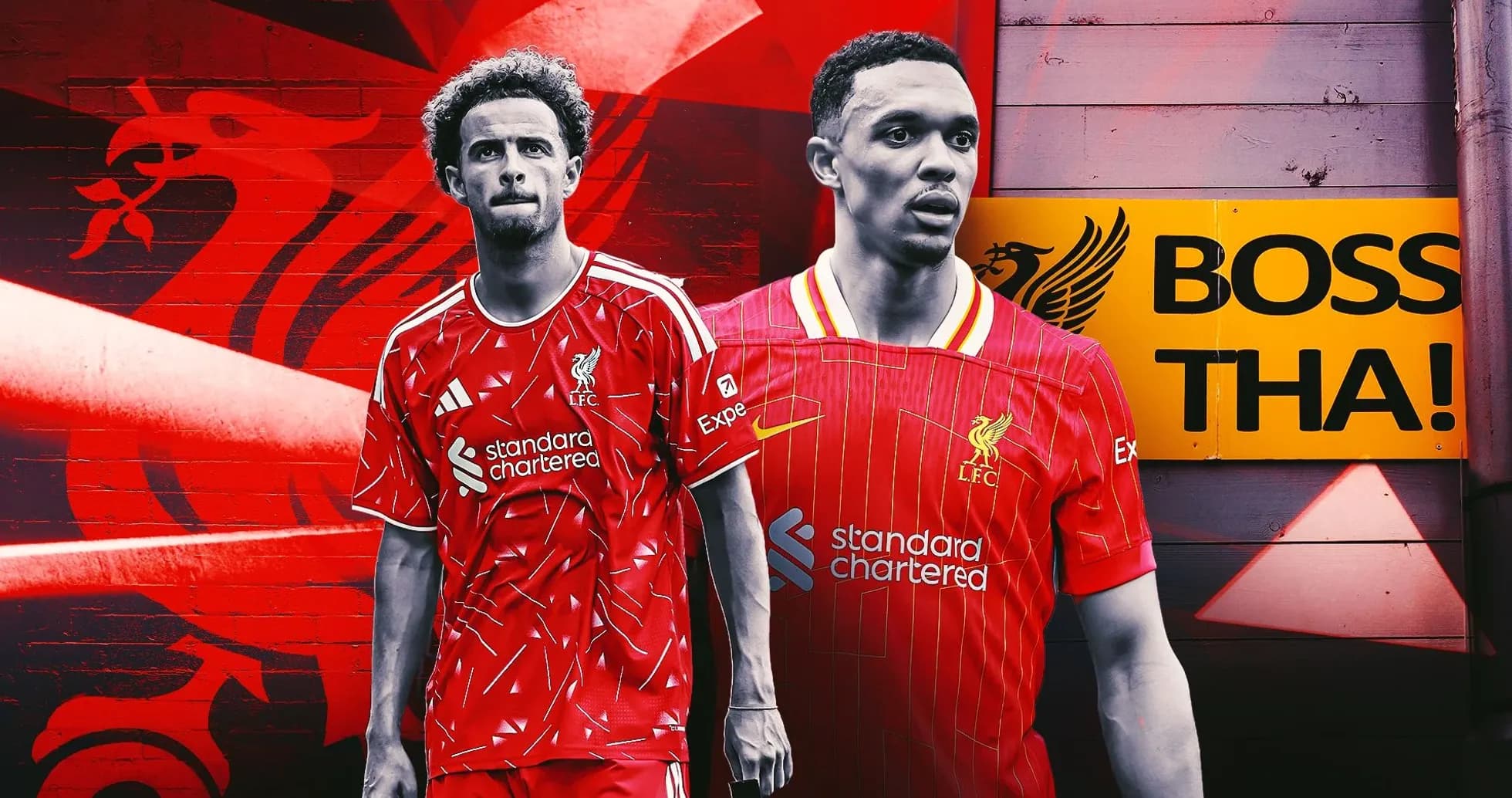
When Curtis Jones finally packed his bags for Inter on August 21, it felt less like a transfer and more like an inevitability. Liverpool, boxed in by circumstance, had run out of room to manoeuvre.
An England international, 25 years old, entering the final year of his deal. No appetite for an extension. A boyhood Red who no longer felt at home at Anfield. The outcome wrote itself.
Arne Slot’s sacking at the end of last season – one that finished with Jones shunted to right-back out of necessity – didn’t alter the trajectory. Jones wanted minutes in midfield, not as a stop-gap full-back, and there were no assurances from Andoni Iraola that those minutes would come. For a player at his stage of career, that was the decisive detail. The move stopped being a possibility and became a certainty.
The fee only deepened the sense of unease. £25 million for a homegrown international, in the same window relegated West Ham extracted more than three times that for Mateus Fernandes from Spurs. The comparison stung. So did the fear that Liverpool would cash in on Jones and not bother replacing him.
That anxiety wasn’t baseless. Iraola had been crystal clear from day one: he wanted more bodies in midfield, not fewer. His system demands legs, options, variety. Losing a versatile, technically sharp academy graduate for a modest fee cut against everything he had been calling for.
And yet, the Basque coach had also spoken openly about wanting Jones to stay. Not just because he rated him “very highly” as a player, but because of what he represented.
“It’s very important that he’s Scouse, that he’s from here,” he said in July, when the questions about Jones’ future were already becoming unavoidable.
For Iraola, that wasn’t a throwaway line. A proud Basque who spent most of his career at Athletic Club, he knows what it means when a team is stitched together with threads from its own streets. He understands the power of local blood in a global game.
On the pre-season tour of the United States, he drew the parallel himself.
“I see a lot of similarities between Liverpool and Bilbao,” he told reporters. “This sense of belonging, of being a little bit different, and this connection, also, with players from the academy.”
Which brings the uncomfortable truth into sharp focus: with Jones gone, Liverpool no longer have a single Scouser in their senior squad. For the first time in the modern era, the pitch at Anfield is without a local voice.
This isn’t a concern born overnight. Even before Jones’ departure, there were murmurs that Liverpool were drifting away from their roots.
On the balance sheet, Fenway Sports Group have been a resounding success. They took a club flirting with bankruptcy in 2010 and turned it into one of the most profitable operations in the sport. Trophies, commercial growth, global reach – all ticked off.
But in the stands and on the streets, the story sounds different. Supporters’ groups such as Spirit of Shankly have long railed against rising ticket prices and the creeping sense that local fans are being squeezed out of their own ground.
“Matchday income represents a relatively small proportion of total revenue yet comes at the expense of affordability, loyalty and trust,” SOS wrote in an open letter to FSG earlier this year. The message was blunt: the numbers might add up, but the relationship doesn’t.
Then came last month’s bombshell: 1892 Holdings, a consortium backed by Amazon founder Jeff Bezos – a figure who polarises opinion like few others – acquired a 38 percent stake in the club. The group is now positioned to complete a full takeover within the next 12 months.
If there were worries about Liverpool’s direction before, they’ve now been amplified.
As Kieran Maguire of The Price of Football Podcast told GOAL at the time, this isn’t just about ownership structures or balance sheets.
“Liverpool is a very proud working-class city and the broader, pre-existing fear of the marginalisation of the traditional fanbase has only been exacerbated by this development,” he said.
“A lot of supporters are already concerned that more tickets will be going to more rich people, and for extortionate prices, and that would continue to dilute what makes a trip to Anfield unique. For the people of Liverpool, the club is far more than a tourist attraction and you don’t want the continued ‘Disney-fication’ of something that is part of the history, heritage and identity of the city.”
Now strip the squad of its last Scouser and the symbolism becomes impossible to ignore. The danger is clear: the emotional bridge between club and community weakens, one local lad at a time.
Steven Gerrard certainly felt the weight of that symbolism. Earlier this summer, he made no attempt to hide his opposition to selling Jones – and his reasoning was brutally simple.
“I just think that, naturally, being around Liverpool, growing up in the city, we understand the demands of the club, the style, what the fans want,” he told BFM Radio. “It’s embedded in us because we know the city inside out. For that reason, I think the academy at our club is crucial, as I think it's key that we keep producing homegrown talent.”
He didn’t need to spell out the history, but he did anyway, reeling off a roll call that defines an era: Michael Owen, Jamie Carragher, Robbie Fowler, Steve McManaman, Trent Alexander-Arnold, himself. Even players like Jay Spearing and Stephen Warnock, who never reached those heights, came into the side already tuned into the values and principles of the club.
They were more than squad members. They were cultural anchors.
Carragher, though, is now looking at Liverpool’s recruitment and wondering what, exactly, the club is trying to be.
“What we did last summer, I didn't really like it,” he told Football Ramble. “It felt like a Real Madrid summer – Florian Wirtz, Alexander Isak, we're gonna get Hugo Ekitike, another striker, for £80m even though we've got one for £125m.
“This summer, it's all about Bradley Barcola. What about the days we had before when we built that team under Klopp and we were getting players who people weren't quite sure about and getting great value? I almost want to go back to that.”
He isn’t alone. The nostalgia isn’t just for bargain hunting; it’s for a model that felt aligned with the club’s identity – smart, hungry, slightly against the grain. Now, Liverpool’s strategy looks far more like that of the superclubs they once out-thought.
To be clear, the academy hasn’t been erased. It still flickers in the background.
Rio Ngumoha technically counts as a former youth player, even if he arrived from Chelsea. Trey Nyoni, an unused substitute in that Carabao Cup final win over Chelsea that filled Jürgen Klopp with such pride, is expected to feature heavily this season. The soon-to-be fit-again Lewis Koumas Danns could also push his way back into the frame, particularly with Isak as the only orthodox No.9 and Ekitike not expected to return until 2027.
But the path is steeper now. The four most expensive signings in Liverpool’s history have all arrived in the past two summers. The club has moved decisively into the £100m bracket, and every mega-deal places another obstacle in front of a teenager from Kirkby dreaming of the Kop.
The scale of that shift will be laid bare at Portman Road on Friday night. With Barcola signed from Paris Saint-Germain just before the window shut, Iraola can now send out a side containing three players who cost over £100m each in the Premier League opener against Ipswich Town.
Not one of them will be a Scouser. Not one of the 20 in the matchday squad, in fact.
Klopp once called Liverpool’s Carabao Cup triumph unique, and he was right – in more ways than he knew at the time. It was a trophy won with kids, with academy faces, with a thread running straight from the training pitches at Kirkby to the steps of the Royal Liver Building.
Replicating that is hard enough in pure football terms. In the current climate, with the club leaning into superstar spending and edging away from its own streets, it may prove impossible.
Because somewhere along the way, amid the billion-pound valuations and the Bezos-backed stakes, too many people around Anfield seem to have forgotten a simple truth: for Liverpool, a Scouse soul has always meant more than any price tag.