
Cristiano Ronaldo's Recall to Portugal: From Crisis to Comeback
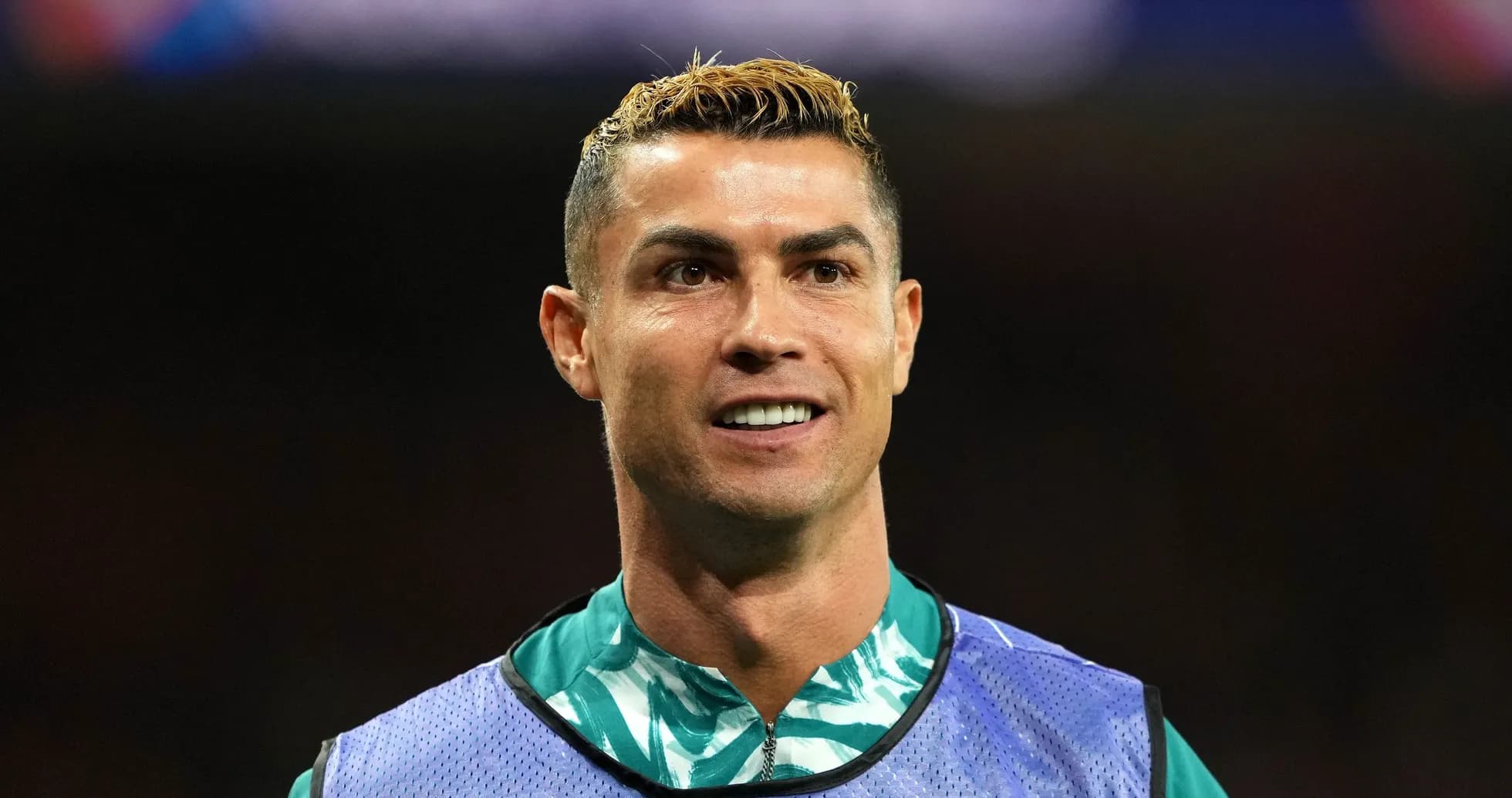
The storm around Cristiano Ronaldo and the Portuguese national team has not passed. It has simply paused. And now, with one official letter, the next chapter is about to begin.
Al-Nassr have received a formal call-up from the Portuguese Football Federation for Ronaldo and his club teammate Joao Felix for November’s international window, as reported by Saudi newspaper Arriyadiyah. Two games. Denmark and Wales. UEFA Nations League. High stakes, and a high-profile return on the table.
Only weeks ago, that prospect looked remote.
From Walkout to Recall
The relationship between Ronaldo and “the Brazil of Europe” was shaken badly at the end of September. On 30 September, during a camp that should have been routine, the 41-year-old captain walked out. He left the Portuguese camp in Copenhagen straight after a press conference, turning a simmering disagreement into a full-blown national debate.
The fallout was swift. The Federation announced a 30-day suspension for their captain, punishment for his abrupt departure. Crucially, the ban was applied retroactively from the day of the incident. That detail changes everything. It means the suspension expires before the November international break, clearing the way for his return on paper, if not yet in hearts and minds.
Portugal’s schedule gives the story a sharp edge. They host Denmark in Braga on 14 November, then travel to Wales three days later in the final round of Group Four fixtures in the Nations League. These are not friendlies to quietly ease a legend back into the fold. These games matter.
And so does the way he left.
A Row That Spilled Into Public View
The roots of the crisis lie in a dispute over Ronaldo’s role in Portugal’s 2-1 win over Norway. What should have been just another tight victory instead lit the fuse.
According to the reported details, Ronaldo accused coach Jorge Jesus of breaking a promise: he believed he had been assured he would stay on the bench, part of an agreed plan to manage both his minutes and the growing tension around his status. Ronaldo felt that understanding was not honoured and that the coach failed to follow the formula they had settled on to contain the dispute.
The disagreement did not stay inside the dressing room. It spilled into the build-up for the next match, a 4-2 win over Denmark. During the press conference before that game, the underlying tension hovered over every question and answer. Then came the shock move: Ronaldo left the camp altogether, walking away from the squad in Copenhagen.
For a captain of his stature, it was an earthquake. Portuguese football circles erupted with arguments over respect, authority, and whether the national team could, or should, move on without him.
An Apology and a Broken Bond
On 7 October, Ronaldo tried to put a lid on the crisis. He published a lengthy statement, apologising to Portuguese fans and his teammates for his behaviour. It was an attempt to repair the damage, at least publicly, and to show he understood the weight of his actions.
But the same statement also carried another revelation: he declared that his relationship with Jorge Jesus had ended. No soft language. No hint of reconciliation. For a player and a coach at the heart of a national project, that admission deepened the uncertainty.
The dispute was no longer just about playing time or tactical roles. It had become a question of trust between the team’s most powerful figure on the pitch and the man in charge on the touchline.
November’s Camp: Truce or New Flashpoint?
Now comes the twist. With the disciplinary penalty effectively served and the official call-up letter sitting at Al-Nassr, Ronaldo is eligible to pull on the Portugal shirt again in November.
The path looks clear. At least administratively.
Sportingly and emotionally, it is anything but simple. The core issue has shifted from suspension to coexistence. Can Ronaldo and the technical staff work together after such a public rupture? Can a dressing room fully rally behind a captain who walked out at a crucial moment, even after an apology?
Portugal still need his experience and presence for key Nations League fixtures. That much is obvious. But the national team is also trying to manage a transition phase, balancing respect for a legend with the need to build what comes next.
The recall suggests that, for now, pragmatism is winning. Portugal want their captain available. Ronaldo wants back in. The Federation has moved to close the disciplinary chapter.
What remains is the human one. When he walks back into that camp in November—if he does—will it feel like a fresh start, or just the calm before the next rupture in a story that refuses to settle?





