Conor Coady Returns to Liverpool's Academy as Player-Coach
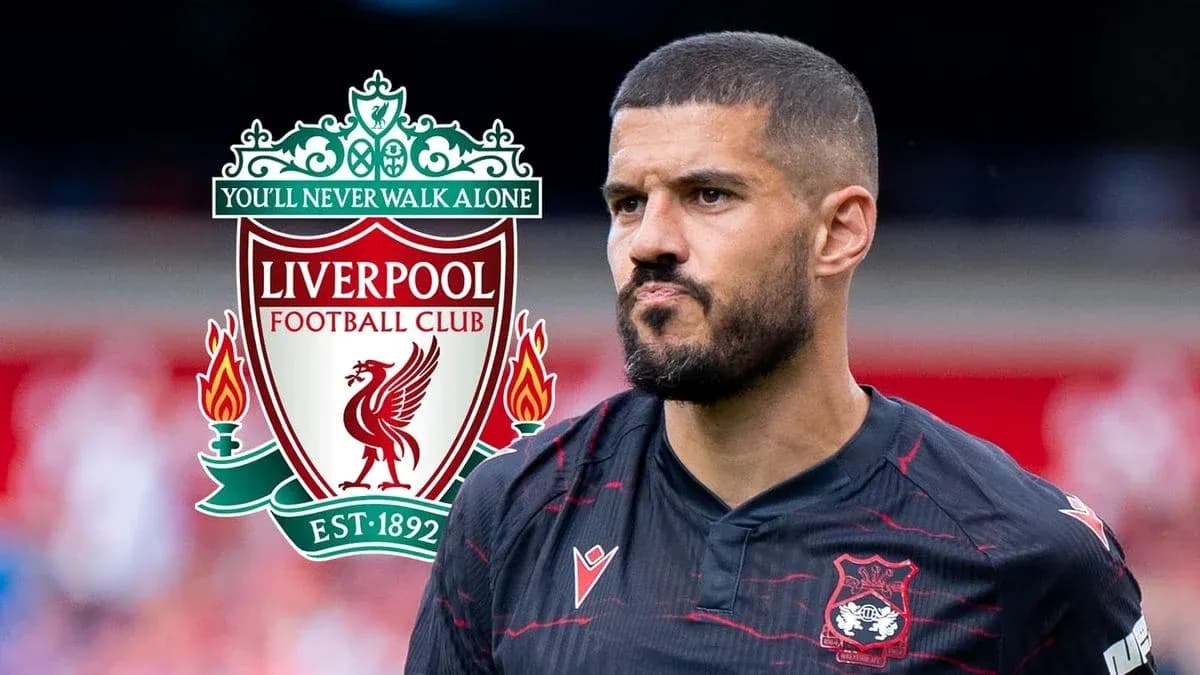
Conor Coady is back where it all began – and this time, he might be shaping Liverpool’s future as much as his own.
Released by Wrexham on Monday after being deemed surplus to requirements by Phil Parkinson, the 33-year-old has quietly slipped back through the doors of Kirkby. Not as a star returning home in a blaze of nostalgia, but as something more nuanced: a player, a coach, a sounding board, a standard-setter.
For now, he is officially without a club. Wrexham never used him this season, leaving him out of every matchday squad across their first five fixtures. Charlton Athletic, where he spent the second half of last season on loan and made 12 appearances in the Championship, chose not to turn that spell into a permanent deal. On paper, it looks like a career drifting towards its final chapters.
On the grass at Liverpool’s academy, it looks very different.
Back at Liverpool – but in a new guise
Coady has confirmed he is back with Liverpool on a short-term basis, working alongside the club’s academy coaches and training with the under-21s. It is a return with purpose, not sentiment.
He knows the place. He joined Liverpool’s academy at 12, signed his first professional deal in 2011, and broke into the first team in the 2012/13 season, making two senior appearances before heading out on loan to Sheffield United. Permanent moves to Huddersfield Town and then Wolves followed, and with them a positional reinvention.
Once a defensive midfielder in his Liverpool, Sheffield United and Huddersfield days, Coady became a defender at Wolves and built a Premier League and England career from the back line. By the time he reached Charlton last season, the circle had almost completed: he finished his spell at The Valley playing again in defensive midfield.
That versatility now feeds straight into his next step.
Speaking on BBC Radio 5 Live, Coady explained that he is “not massively in a rush” to sign for a new club. The next move, he stressed, has to allow him to be a “driving force”, not just another squad number.
“I’m lucky enough to get the opportunity to go into Liverpool’s under-21s,” he said. “I’m doing a little bit of coaching with the boys, which has been brilliant.
“The lads at Liverpool are amazing with me. The players, but also Jay Spearing and (U21 head coach) Rob Page who gave me the opportunity to come in, mirror them a little bit, be in the office before training and look at how they plan a session.
“If they need numbers, I’ll jump in and keep myself fit as well. That’s what it’s looking like at the minute.”
That line tells the story. This is not a farewell tour. It is a hybrid role in everything but name.
The rise of the hybrid player-coach
Liverpool know exactly what they are doing here. So do Manchester United. The model is already established.
United brought Paul McShane back to Old Trafford to work with the U23s while still being registered as a player, then turned to Tom Huddlestone in a similar role. Premier League 2 rules allow clubs to field up to five overage players – anyone over 21 – in a matchday squad. It is a loophole that smart academies have turned into an advantage.
Liverpool already have Jay Spearing operating in that space, working in the academy setup while remaining available to play for the under-21s. Coady’s presence alongside him only sharpens the picture: two former academy graduates, both with senior careers behind them, both now feeding their experience back into the system.
The idea is simple. Young players learn quicker when the standards are set not just by coaches on the touchline, but by seasoned professionals sharing a dressing room and a pitch with them.
Coady fits that profile perfectly. Former Wolves captain. England international. A player who has lived the grind of the Championship and the intensity of the Premier League, and who has been trusted in different positions and different systems by a string of managers.
Now he is bringing that to Kirkby – while keeping his boots laced.
Craving influence, not comfort
If this sounds like a gentle fade into retirement, Coady’s own words cut through that idea.
“I want to make a difference, whether that’s on or off the pitch,” he said. “I want to be a real driving force. I struggled to get that at Wrexham, for one reason or another, and didn’t get the opportunity to do so. I’m craving that, if I’m being honest.
“I’m not someone who can just sit on my hands and just enjoy going into training, come home and everything’s good and you pick up your wages … it definitely needs to be the right opportunity and the right club because I feel like I’ve chased a little bit over the last couple of years and I don’t want to carry on doing that.”
That is a revealing admission. At Wrexham, the Hollywood story rolled on without him. No minutes, no influence, no platform. At Liverpool, even in an academy environment, he can shape sessions, lead drills, step into rondos and tactical work, and show young defenders and midfielders what top-level communication and positioning actually look like in real time.
He has not retired. He has not ruled out playing again at senior level. By training with the under-21s, he keeps his fitness and sharpness intact while learning the rhythms of coaching from inside the building. With England’s under-21s, where he has taken up a role under Lee Carsley following Ashley Cole’s departure, he is already gaining international experience on the staff side of the game.
The pieces are aligning.
A bridge between eras
Liverpool’s academy has long prided itself on producing players who understand the club as much as the game. Coady, a local lad who came through the ranks and then built a career elsewhere, now returns as a bridge between that tradition and the demands of the modern game.
He has seen how different clubs operate. He has been part of dressing rooms fighting for promotion, survival and European places. He has navigated the brutal churn of the Championship and the scrutiny of the Premier League. Those stories matter in a youth setup where many players have known only academy football.
Right now, his role is officially short-term and supportive. He shadows Spearing and Rob Page, sits in the office before training, watches how sessions are constructed, and then steps over the white line if the under-21s need an extra body. It is education and contribution rolled into one.
For Liverpool, it is low risk and potentially high reward. For Coady, it is exactly what he says he wants: a place where he can drive standards, not just pass through.
The next question is not whether he can still play. It is where this blend of coaching and playing finally settles – on the touchline, in the technical area, or back in the heart of a senior defence that needs a voice like his.