Charlotte Hornets Trade LaMelo Ball for Future Flexibility
The Charlotte Hornets didn’t just pivot this summer. They slammed the wheel.
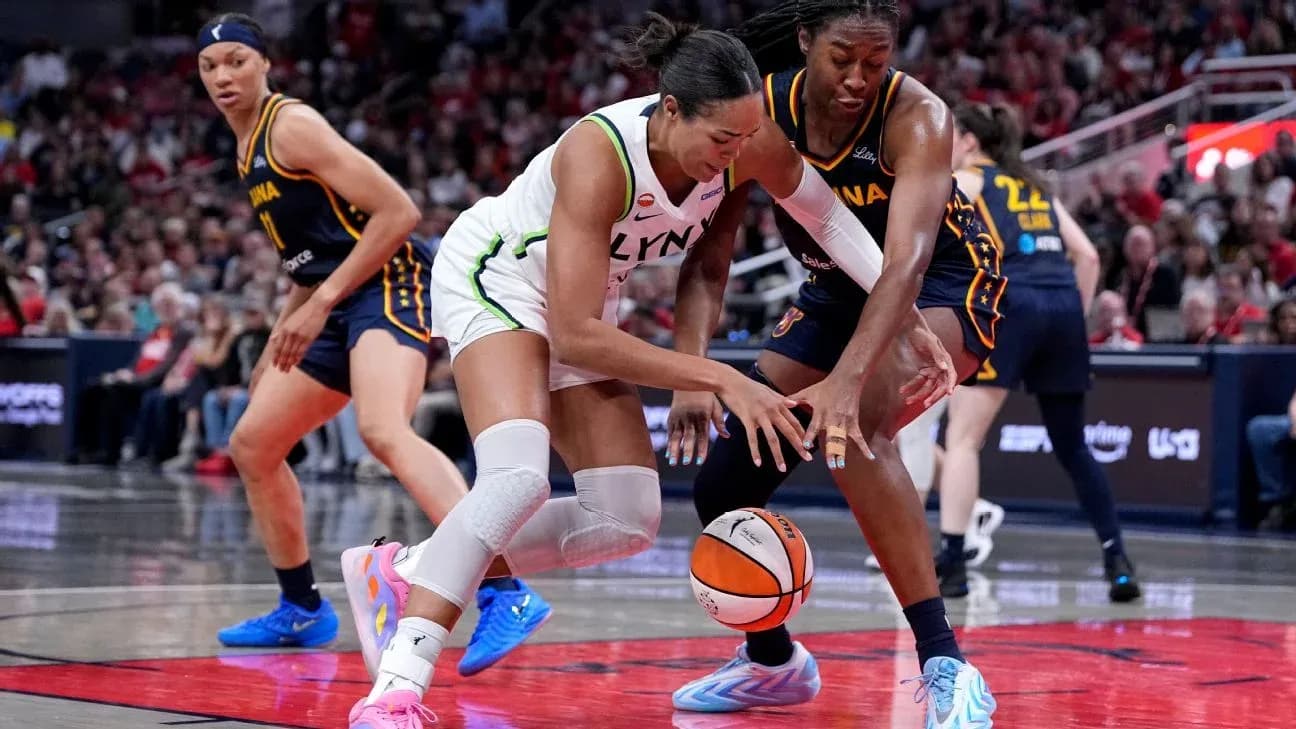
LaMelo Ball, the face of the franchise, the engine of their best season in a decade, is gone — shipped to the Minnesota Timberwolves in a blockbuster that screamed long game over short-term comfort. In return: Naz Reid, an unprotected 2033 first-round pick, three second-rounders and three first-round pick swaps. A haul of flexibility and possibility, not star power.
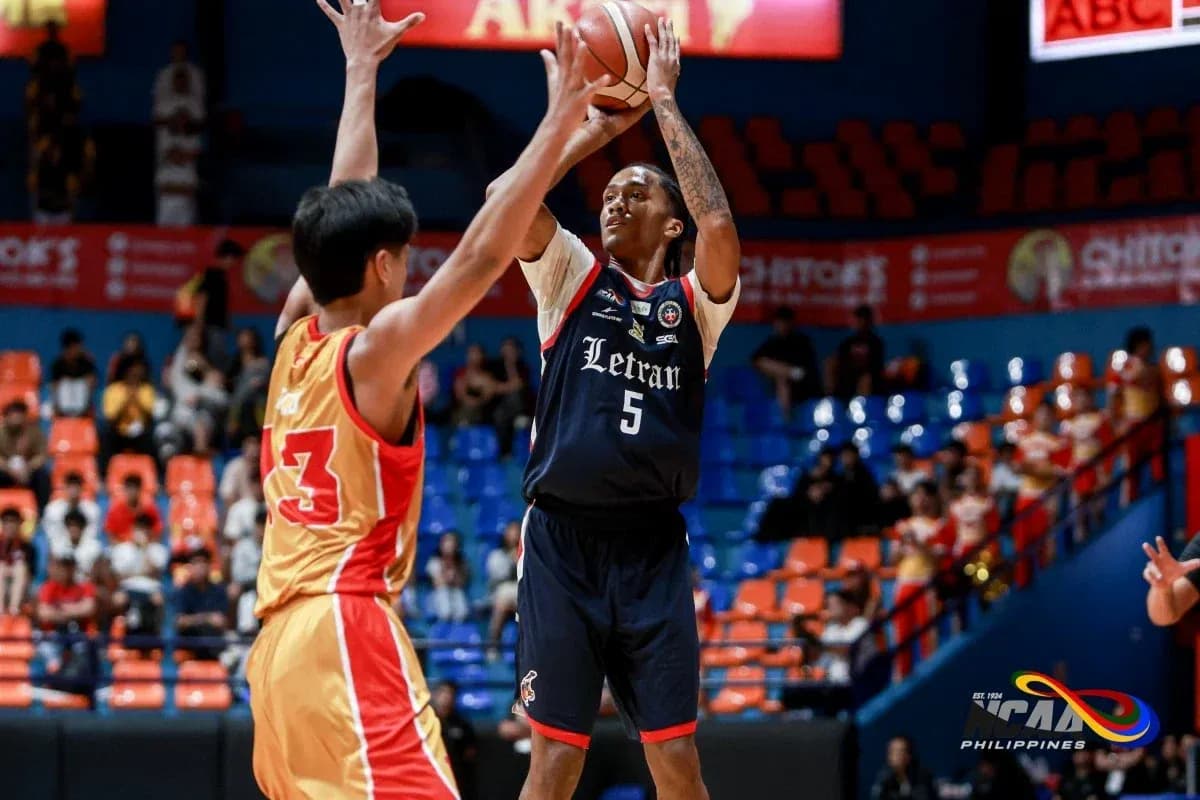
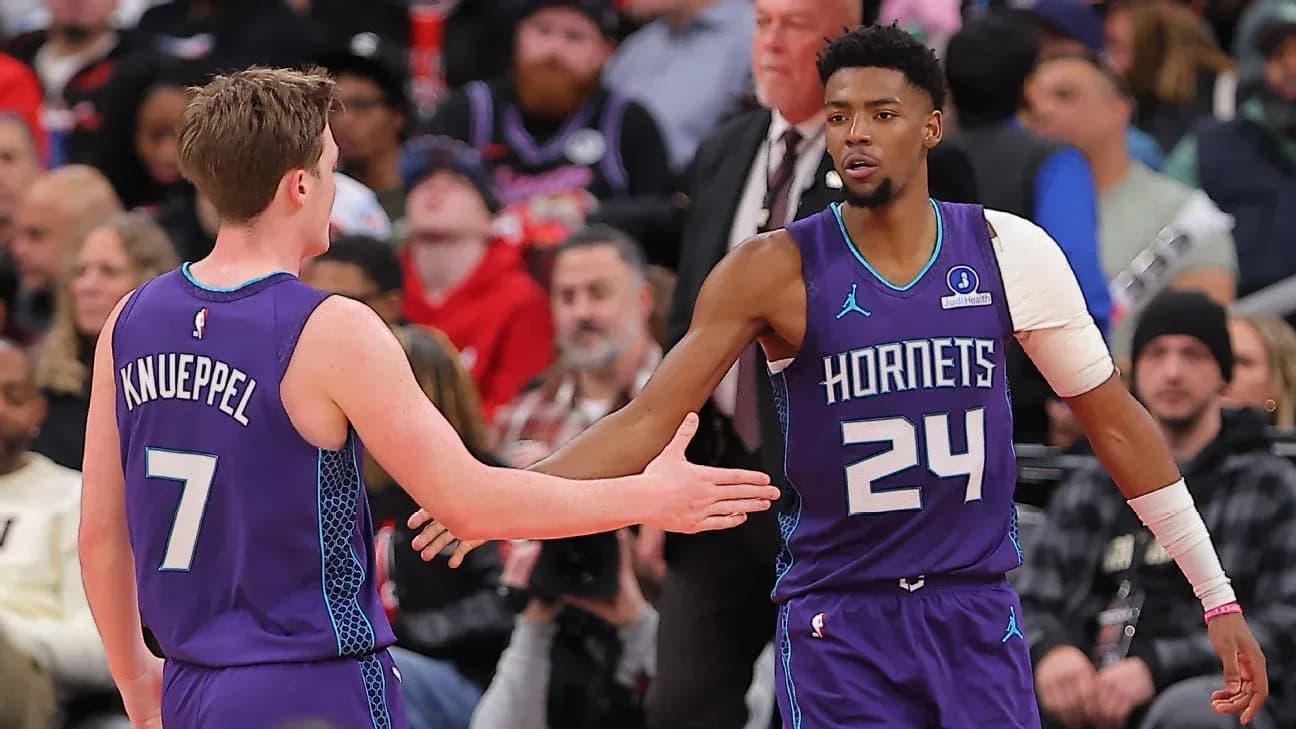
The message out of Charlotte is blunt: this is Brandon Miller and Kon Knueppel’s team now.
A contender’s gamble from a non-contender
Most teams that finish with 44 wins, boast a top-five offense and own the league’s best five-man lineup don’t blow up the core. They run it back. They talk continuity and growth. Charlotte’s front office looked at the same picture and saw a ceiling they didn’t like.
Ball, 24, a borderline All-Star on a max rookie extension, had become both the Hornets’ lifeline and their limitation. Electrifying, yes. But six years in, no playoff appearances. Persistent questions about his shot selection, his defense, his health. The Hornets decided that betting their future on incremental improvement around him was a trap.
So they tore out the central piece.
Ball to Minnesota. Miles Bridges, 28, also moved in a separate deal after anchoring that elite starting lineup. Josh Green and Tre Mann out as well. In their place, a roster built less on star wattage and more on depth, shooting and optionality.
Reid arrives from the Timberwolves as the primary on-court return, a versatile forward/center and former Sixth Man of the Year stepping into a larger role. Grayson Allen, Dennis Schroder, Royce O'Neale and Dorian Finney-Smith bring veteran shooting, defense and playoff experience. Coby White, fresh off a breakout in Chicago, re-signs on a three-year, $74 million deal to step into Ball’s vacated lead-guard role.
Strip it down and the Hornets now stand as the only team in the league without a single player on the books for at least $25 million next season. That’s not an accident. It’s a strategy.
Dreaming bigger than LaMelo
Internally, the Hornets framed the move in stark terms. President Jeff Peterson made it clear: the goal isn’t a one-off appearance in the play-in or even a fleeting playoff cameo. Charlotte hasn’t seen the postseason since 2016, but the bar being set is higher than ending a drought.
That’s the bet: that Ball, for all his flair, wasn’t the player to carry a true contender. That the path to something more resembles a “Moneyball” approach — stack draft picks, maintain cap flexibility, keep the books clean, and build around cheaper, younger stars in Miller and Knueppel.
The risk is obvious. Trading a franchise guard after your best season in a decade can snap momentum like a twig. The Hornets could tumble right back into the lottery. They probably will, at least in the short term.
ESPN’s Zach Kram graded the offseason an A-, noting that Charlotte “took one step back to set up multiple steps forward down the line.” It’s hard to argue with the asset sheet: one of the league’s largest draft caches, a young core, and a cap sheet free of an anchor contract.
What’s harder to project is how that looks on the floor in 2026-27.
Who replaces 20 and 7?
On paper, the hole is glaring. Ball averaged 20.1 points and 7.1 assists last season, with a 32.0 usage rate. He dictated tempo, bent defenses, and turned possessions into chaos — the good kind and the bad.
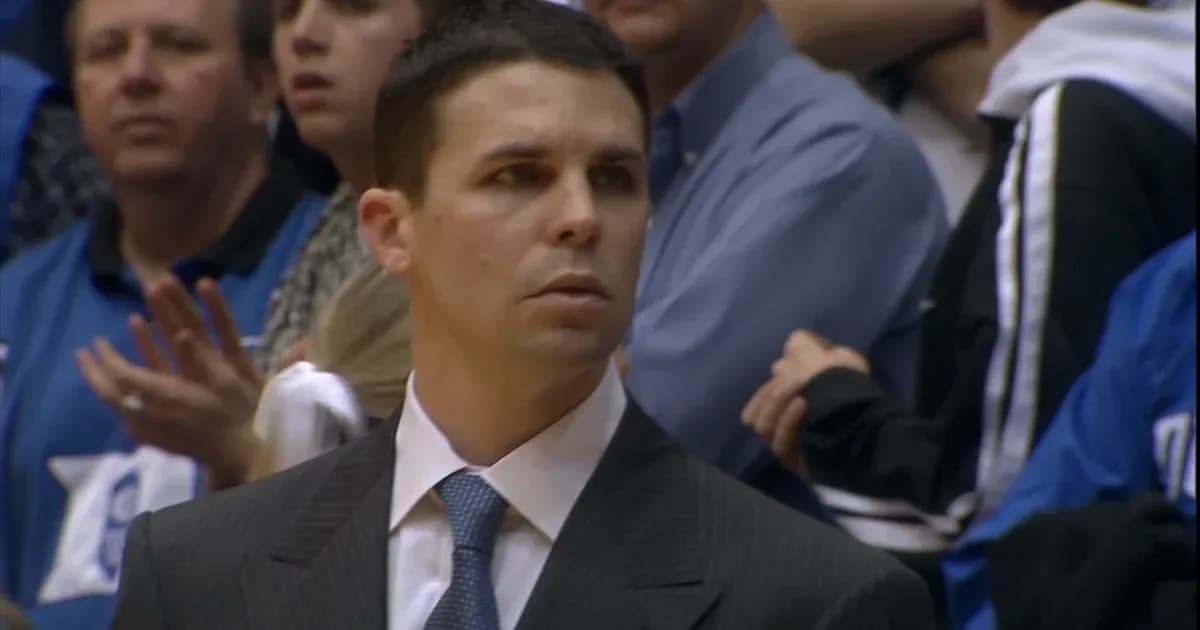
Charles Lee now has to replace that with a committee.
Miller and Knueppel sit at the center of everything. Both are high lottery picks with clear All-Star upside, both comfortable firing from deep, both expected to shoulder heavier creation loads. White, who averaged just under 20 points, five assists and three 3-pointers per game in his last two full seasons with the Bulls, slides in as the starting point guard and primary initiator. Schroder, the well-traveled veteran, will steady second units and plug gaps as a secondary playmaker.
The identity won’t change much from the arc. Lee’s Hornets should again be one of the highest-volume 3-point teams in the league. Miller, Knueppel, White and Allen all averaged more than six attempts from deep last season. That’s a barrage waiting to happen, if the ball moves and the spacing holds.
Still, the loss of Ball’s live-dribble creation will sting. Dean Oliver’s projection model doesn’t love the sum of the parts, slotting Charlotte 20th in Basketball Power Index and noting that if you’d been told a year ago your team revolved around Knueppel, Miller, White, Moussa Diabate and Allen, you wouldn’t have felt great.
The Hornets are betting that a year changes a lot.
A crowded, crucial frontcourt
One area where Charlotte won’t lack options is in the middle.
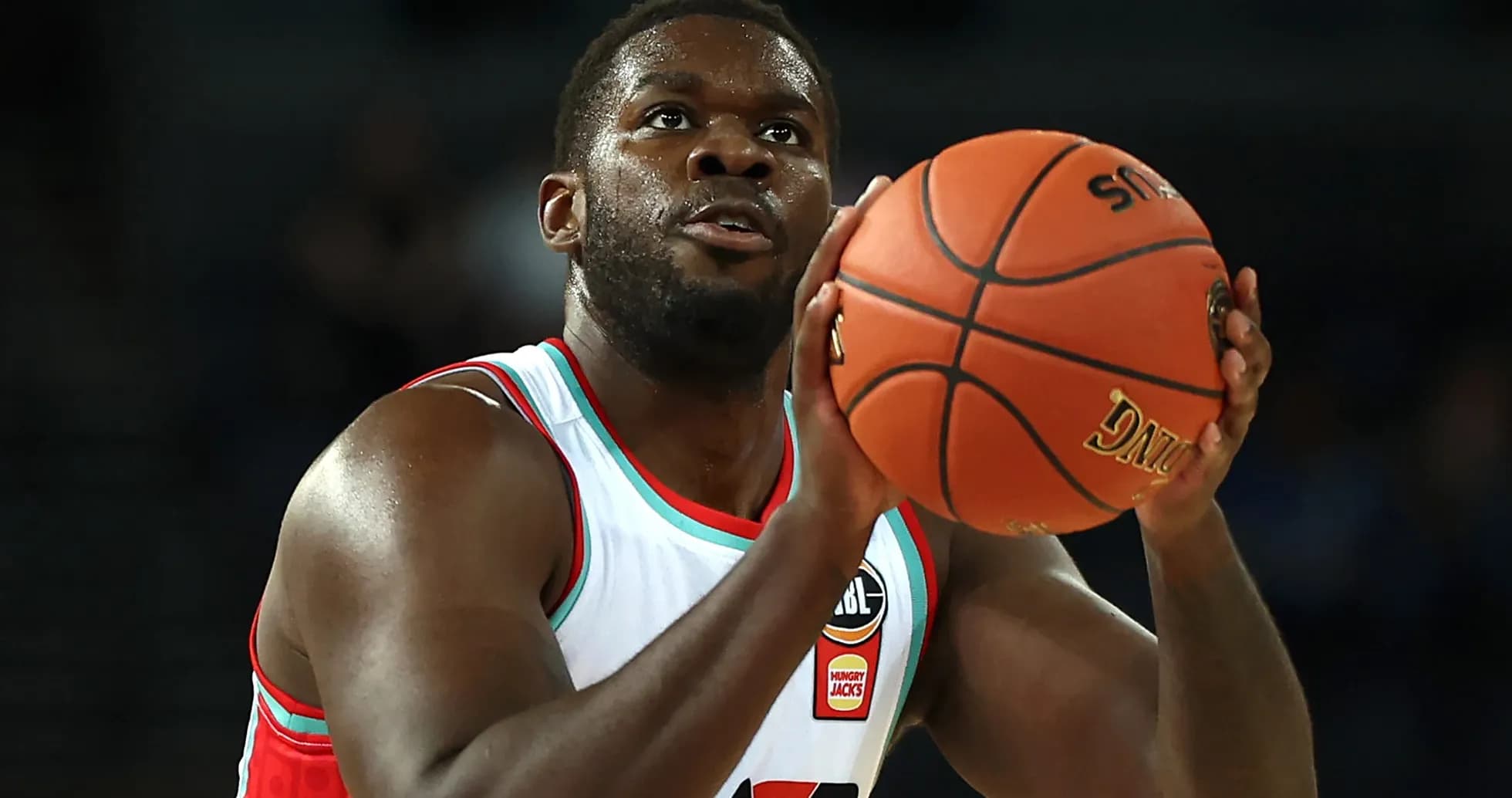
The center rotation of Hannes Steinbach, Diabate and Ryan Kalkbrenner, with Reid overlapping as a forward/center, might be the most intriguing subplot of the season. It’s also the most delicate puzzle for Lee to solve.
Steinbach, a lottery pick this year, brings size and rebounding. Diabate, a key part of last season’s elite starting group, injects energy and mobility. Kalkbrenner started his rookie campaign strongly before injuries slowed him, offering length and rim protection. Reid, now freed from a bench role, will finally get the chance to be a full-time starter and multi-level contributor.
There are 48 minutes at center every night. Four players who can credibly demand a slice. Lee’s challenge is not just to divide the minutes, but to test combinations — two-big lineups, Reid alongside a true five, Diabate as a small-ball anchor — without sacrificing spacing or the offensive flow that powered last season’s surge.
Get that balance right and Charlotte’s defense, long a weak point, could quietly harden.
Fantasy darlings in a rebuilding room
For all the macro uncertainty, the micro angles are enticing.
White steps into the kind of role fantasy managers crave: full-time starting point guard, heavy minutes, green light. His Chicago numbers suggest he can nudge past 20 points, five assists and three 3s per game in Charlotte if the usage tilts his way.
Reid, meanwhile, finally escapes the shadow of a crowded Minnesota frontcourt. As a former Sixth Man of the Year now tracking toward a starting job, he has the runway for career-best scoring, rebounding and defensive counting stats.
The Hornets may slide in the standings, but on the fantasy front, they’re loaded with upside.
A franchise split in two timelines
Strip away the emotion, and the trade that sent Ball to Minnesota is a clean basketball divorce. Ball heads to a Timberwolves team built around Anthony Edwards, likely tasting the playoffs for the first time. Charlotte resets around Miller, Knueppel and White, with a war chest of picks stretching out to 2033.
Who wins that split? Ask again in 2027. Ask again in 2030.
For now, the Hornets have chosen ambition over comfort, volatility over stability. They walked away from their most exciting player in years not because he failed, but because they decided his best might not be enough.
That’s a bold stance for a franchise that hasn’t seen the postseason in a decade.
Now they have to live with it — and see if Miller, Knueppel and a roster full of shooters and bigs can turn that conviction into something Charlotte hasn’t had in a generation: a real, sustainable contender.