Champions League 2023: Can PSG Achieve Three-Peat?
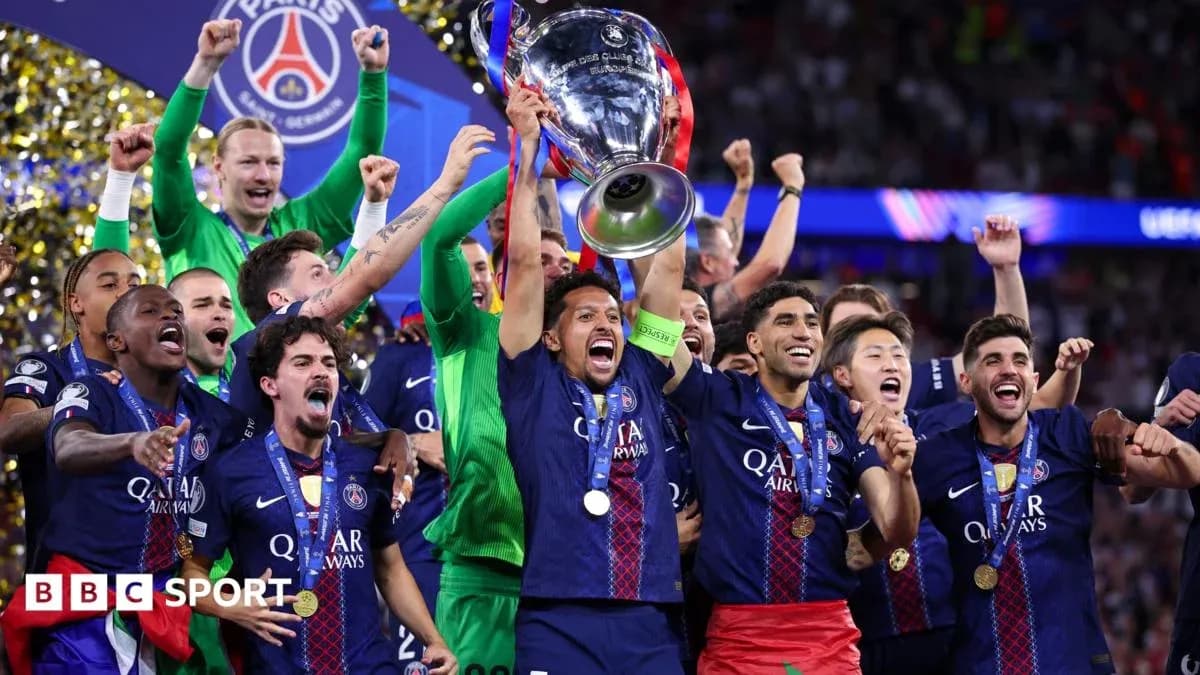
The Champions League is back. Madrid awaits on 5 June, the trophy polished and ready, and the question is brutally simple: can anyone stop Paris St-Germain from making it three in a row?
For the first time in years, the answer does not feel obvious.
PSG chase history – and their limits
PSG begin the new league phase on Tuesday with a chance to write a piece of history that even Europe’s giants rarely touch. Three consecutive titles. A dynasty, not just a cycle.
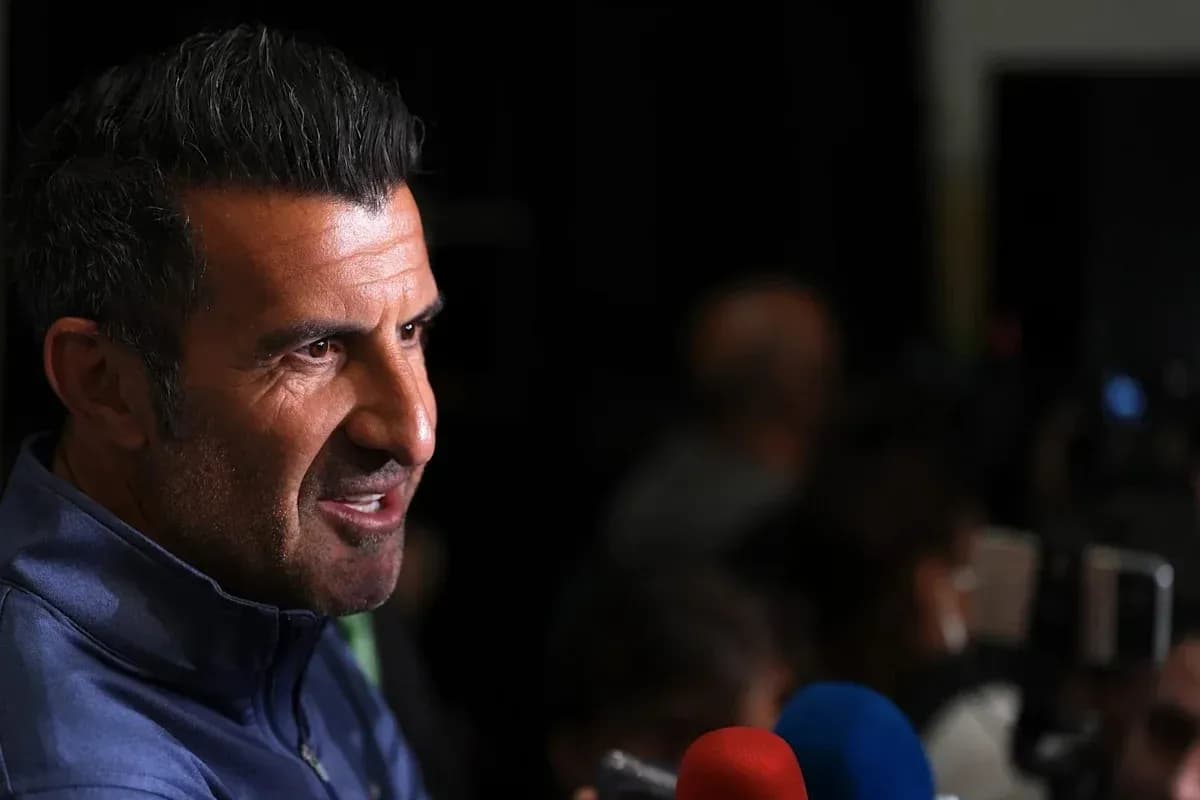
Julien Laurens is not buying it.
“If PSG do the three-peat, it would be an incredible achievement. I don't think they will do it,” he says. Two in a row is already special. Three? “Impossible unless you've got Cristiano Ronaldo in your team, which they don't.”
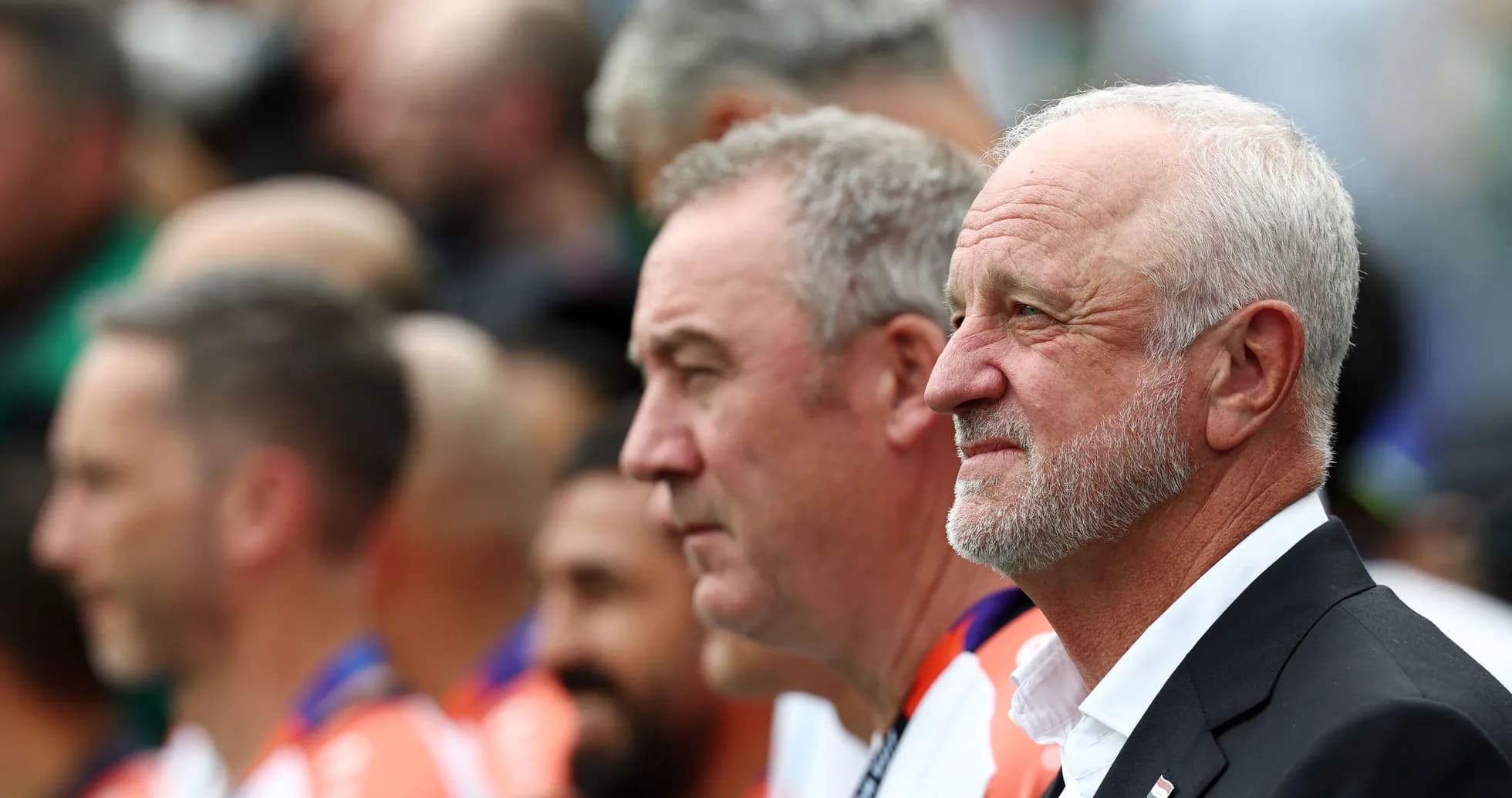
The champions have started the season in fits and bursts. Guillem Balague sees the strain of staying at the summit.
“With PSG's irregular start to the season we are seeing how difficult it is to maintain the level,” he says. Luis Enrique is still pushing them to sit at the cutting edge of the game: dynamic football, relentless pressure, constant experimentation in this new league phase. That brings a cost. Strange results, a sense of transition, before the real knife-edge nights from January onwards.
Yet the core remains. The main axis, as Balague calls it. On that basis, he still expects them “to get very close to winning it again”. Close enough to terrify the rest, not quite convincing enough to silence the doubters.
Arsenal, Bayern and the end of the wait?
If it is not PSG, who lifts the trophy in Madrid?
Laurens looks at England and Germany. Then he plants his flag in north London.
“I would go for Bayern Munich and Arsenal to reach the final,” he says. Over the past two seasons, he argues, those two – alongside PSG – have most consistently looked like they belong at this level. This time, he tips Arsenal to finish the job.
“They have the best defence in Europe by far and that's what wins you titles.” For Laurens, that back line is the decisive edge. His bracket: Arsenal champions, Bayern close runners-up, PSG at least in the last four.
Balague also has Arsenal firmly in the conversation. The difference now is not tactical, but psychological.
“Arsenal have found a way to win regularly,” he says. With that burden lifted, players feel a release. That freedom, he believes, will push them to a higher level in Europe. He sees them, PSG and Barcelona as the three semi-final regulars-in-waiting, as long as the draw does not smash them together earlier.
The fourth semi-finalist? That slot, he says, belongs to one of Bayern Munich, Real Madrid or Manchester City, again draw permitting. Three clubs who treat late spring in the Champions League as a habit, not an ambition.
Barcelona’s surge and Mourinho’s Madrid question
If PSG wobble and Arsenal rise, Barcelona are the side sprinting into the season.
“Barcelona are flying,” Balague says. Hansi Flick still wants more – another centre-back, a number nine – but he feels they are already on the climb towards the top. The structure is clear: a team that defends high, with intensity and conviction, to let their young stars burn brightly in the spaces they create.
Real Madrid, by contrast, sit in a strange middle ground. They have the weight of the badge and the arrival of Jose Mourinho, but not everyone is convinced.
“I don't believe fully in the Jose Mourinho-Real Madrid project,” Laurens admits. He does not see them as favourites. He sees them as a story still being written, not yet a machine.
Stars to shape the season
Every Champions League season is driven by a handful of players who bend games to their will. Laurens and Balague have their lists.
Laurens starts with Jude Bellingham. This, he says, is a huge season for the Englishman, both individually and for Real Madrid as a whole. Mourinho plans to use him as a number 10, a role Laurens feels suits him. After a strong World Cup, he expects that momentum to carry: goals, influence, decisive moments.
Then comes a very different No 10: Nico Paz at Como. It is the Italian club’s first taste of the Champions League under Cesc Fabregas, and Paz sits at the heart of everything with the ball. “A special player – very much in the making – but he will be a top player very soon,” Laurens says. Como are entertaining; Paz is the conductor.
On the wing, Laurens turns to a man he calls “Mr Champions League” – Khvicha Kvaratskhelia. Two outstanding seasons at PSG have turned him into one of Europe’s most dangerous wide forwards, especially on that left flank where he can cut inside or burn his marker on the outside. Two feet, goals, technique, theatre. Laurens sees him in the Ballon d'Or conversation. “He's one of those players that gets you on the edge of your sofa. He's the guy.”
He also highlights Lens centre-back Ismaelo Ganiou, the 21-year-old who helped push PSG all the way in Ligue 1 last season. Strong, quick, comfortable on the ball, he looks destined, in Laurens’ eyes, for a move to a big Premier League club at the end of the campaign.
Then there is Donyell Malen. Since leaving Aston Villa for Roma, he has been transformed, scoring close to a goal a game as a lone striker under Gian Piero Gasperini. Roma’s return to the Champions League brings back their chaos and colour; Malen, Laurens believes, is back at his best.
Balague’s list begins with a familiar marksman: Harry Kane. The Bayern Munich forward, he says, is in a campaign to win the Ballon d'Or. The fit between player and club looks perfect. He does not expect Kane’s level to drop.
He then points to Lamine Yamal, still a teenager, already hungry for more. The Barcelona prodigy has set his sights on the Champions League. In Flick’s high-pressing, aggressive defensive structure, Balague believes Yamal can shine.
Kvaratskhelia appears again on Balague’s sheet. For him, the Georgian has “another level” to reach. With PSG likely to go deep again, Balague expects Kvaratskhelia to rescue them in big games and sees him as a future Ballon d'Or winner.
He also nods towards Shakhtar’s latest Brazilian jewel, Kaua Elias. The Ukrainian club has a long history of turning Brazilian talent into major European transfers. At 20, Elias could be next in line.
Finally, he circles back to Arsenal and Martin Odegaard. After a season disrupted by injuries, the Norwegian has started this one strongly. Balague believes he can dominate games again. A more confident Arsenal will need him to do exactly that – to take full ownership of the team’s rhythm and direction.
Fabregas’ Como and the outsiders’ map
The Champions League’s new format opens doors for fresh names and new stories. Balague is fascinated by what Cesc Fabregas is building at Como.
“I love what Fabregas is doing,” he says. The former Spain midfielder has turned down tempting offers to stay and shape this project. The freedom to experiment, to make mistakes without immediate consequence, has allowed him to push his ideas to the edge. “He has swum against the tide and now he is very much in the train of modern football, and at the front.” Balague expects Como to reach the knock-out stages.
Elsewhere, the scale of the challenge is brutal. LASK, having battled past Celtic, have already shown a high competitive level. For their first campaign, Balague thinks a home win somewhere and a respectable points tally would be a fair return. Qualification, though, looks a step too far.
Sabah of Azerbaijan arrive with a reputation built on organisation, but their draw is unforgiving: trips to Arsenal and Manchester United, home games against Barcelona and Borussia Dortmund. Balague expects one or two surprises from them, a couple of bloody noses for bigger names, but not enough to escape the group.
Then there is Viking. Their schedule is savage – Bayern, Atletico, Napoli and Aston Villa – yet Balague refuses to dismiss Norwegian football. He talks about clever, competitive coaches and players, about teams that punch above their weight. Viking, he believes, “could make it to the knock-outs”.
The road to Madrid
So the picture forms. PSG, stretched by the weight of history. Arsenal, armed with a defence that their admirers call the best in Europe. Barcelona surging under Flick. Bayern, Real Madrid and Manchester City lurking in the shadows, used to the long march to June.
Around them swirl the new names: Como and Nico Paz, Kaua Elias at Shakhtar, Viking and Sabah chasing shocks, LASK chasing respect.
The Champions League is back. The path to Madrid is crowded, the favourites are known, the doubts are real. Now we find out who can live with the pressure when the season tilts towards 5 June and the trophy shines under the Spanish night.