Cathy Engelbert Retires as WNBA Commissioner After Historic Tenure
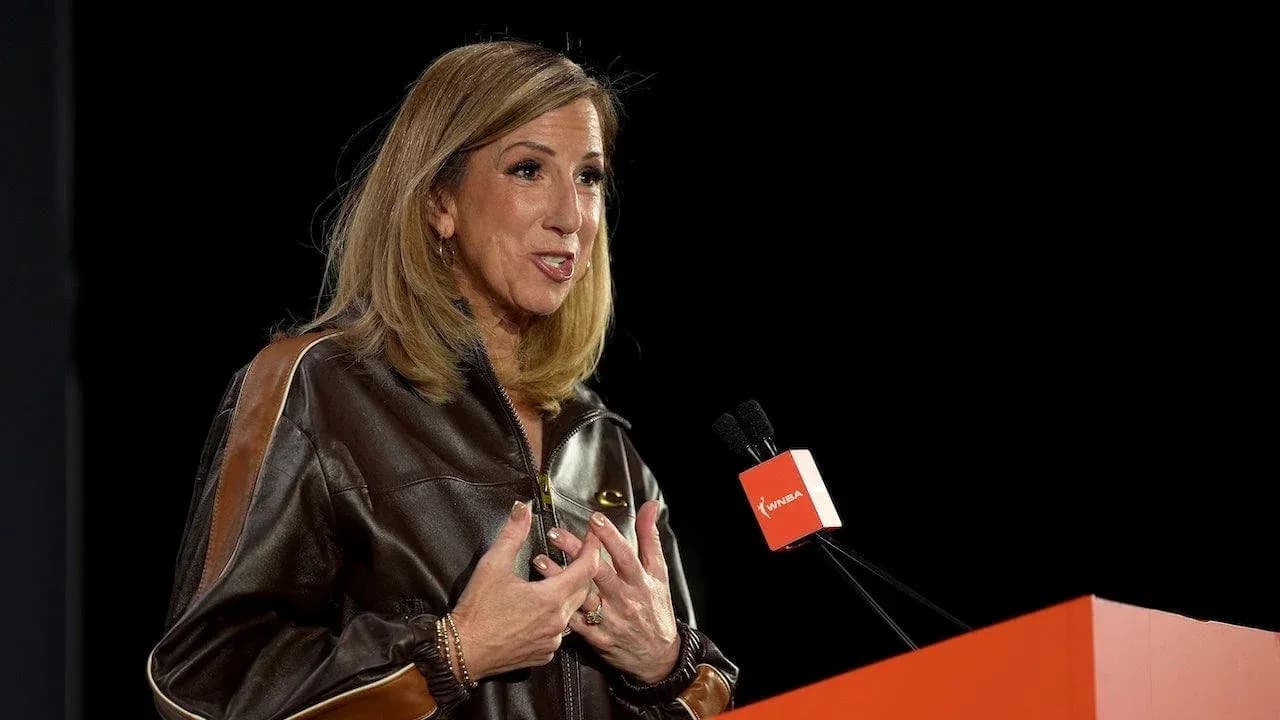
Cathy Engelbert, the first commissioner in WNBA history and the architect of its modern era of growth, will retire at the end of the calendar year, closing a seven-year tenure that reshaped the league’s footprint and ambition.
The announcement came via NBA commissioner Adam Silver, who framed her stint as a turning point in the league’s 30-year history. He credited Engelbert with steering the WNBA through what he called its most significant period of growth, a description that fits both the numbers and the noise that have surrounded the league on and off the court.
Engelbert, 61, stepped into the role in 2019, when the WNBA still fought for visibility and valuation that matched its potential. She inherited a league with 12 teams, modest media reach, and a persistent sense that the product outpaced the platform. She leaves behind a competition that has expanded to 18 franchises, with new markets, new owners, and a different level of commercial confidence.
“After more than seven years at the WNBA and more than 40 total years in business, I have made the decision to retire as WNBA Commissioner,” Engelbert said in a statement, calling it a privilege to lead a league that she described as “enormous potential yet untapped awareness and significant undervaluation” when she arrived.
The numbers under her watch tell a clear story. The league cites record highs in viewership, digital engagement, game attendance, League Pass subscriptions, merchandise sales, corporate partnership revenue and franchise valuations. Owners have seen their assets climb in worth. Fans have seen more games, more access, and more ways to follow the league year-round.
She did not just add teams. She changed the calendar. In 2021, Engelbert launched the in-season Commissioner’s Cup, a tournament designed to inject competitive stakes and sponsor interest into the regular season. The schedule kept stretching: for 2025, she approved an expansion of the regular season to 44 games and has already charted a path to a record 50-game slate in 2027. For a league that long operated in a cramped summer window, that kind of volume signals a different level of ambition.
The growth, though, has come during one of the most contentious stretches in WNBA history.
This season has been dominated by off-court debate as much as on-court performance. Indiana Fever’s Sophie Cunningham’s comments about trans athletes in women’s sports, and the relentless national discussion around the treatment of Caitlin Clark, have turned the league into a daily flashpoint in the broader cultural and political conversation. Engelbert has had to navigate not just broadcast contracts and expansion bids, but a landscape where every storyline can ignite a firestorm.
At the same time, critics have hammered her for what they see as a missed opportunity: not marketing the league’s biggest stars aggressively enough, particularly Clark, whose arrival has supercharged interest in women’s basketball. The league’s metrics have surged, but the debate over how best to leverage its most visible personalities has not gone quiet.
Engelbert’s own view of her legacy leans toward the long game. “I retire knowing we have built something bigger, stronger and more enduring than we could have imagined,” she said, thanking WNBA and NBA owners and staff, players, investors, fans and what she called a “powerhouse league office staff” for believing in what the league could become. She leaves, she said, with “immense gratitude and tremendous optimism for the future of the WNBA, with the best yet to come.”
Her departure opens a major vacancy at a critical moment. Media rights negotiations loom, expansion markets are still emerging, and the league’s stars have never had more cultural reach—or more scrutiny. The WNBA has its strongest foundation yet, but no named successor in place.
The next commissioner will inherit a league Engelbert helped drag into a new commercial tier, but also one standing at a crossroads, where every decision on marketing, scheduling and player visibility will shape what this era of growth ultimately becomes.