
Carrick Era Ends: Pochettino's Reset at Manchester United
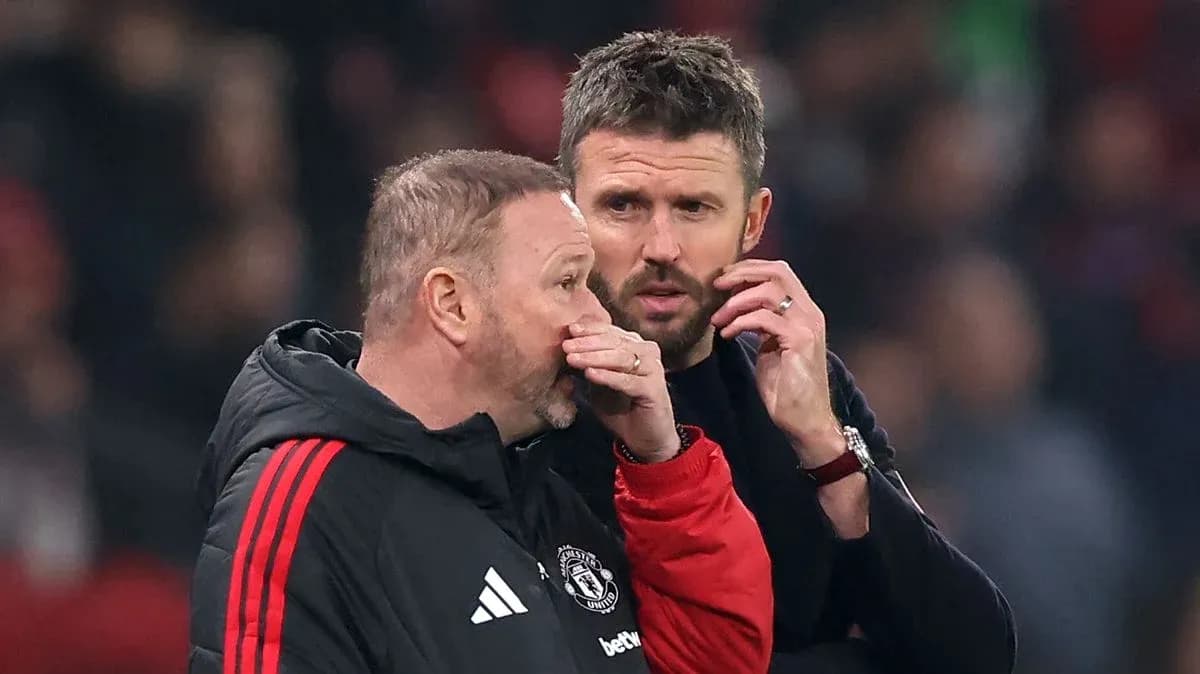
Manchester United’s reset under Mauricio Pochettino has begun with a clean sweep. Michael Carrick is out after just 174 days as permanent manager, and with him goes a coaching team that never truly convinced a fractured dressing room.
Among those leaving, one name stands out for different reasons: Steve Holland.
From Respected Arrival to Dressing-Room Flashpoint
Holland arrived at Old Trafford with a strong reputation, carrying the sheen of his work with England and a CV that commanded respect. At first, he had it. Players and staff were said to rate him highly when he walked through the door.
That didn’t last.
According to Roundtable, Holland gradually lost the dressing room. Clashes with players became more frequent. The atmosphere shifted. One source described him as “extremely arrogant” and “not a popular figure,” a damning verdict in an environment already straining under poor results and tactical confusion.
As United slid into crisis, sitting 18th in the Premier League with just one win to their name, frustration began to spill into public view. The pressure finally told in Como.
Fernandes Breaks Ranks
After a 4-1 Champions League defeat to Como last month, Bruno Fernandes did something captains at Manchester United rarely do: he openly challenged the game plan.
He didn’t raise his voice. He didn’t need to. His words did the damage.
Speaking to TNT Sports, Fernandes laid bare his frustration with the tactical approach: “It's a decision from the staff to not press man-to-man and sometimes leave a little space in behind and try to get the ball in the first moment, to wait for them, to give them the ball.
“But sometimes when you give too much of the ball to these teams they get confident, they have so many bodies behind the ball that make you run a lot, make people get frustrated and then obviously when you recover the ball the legs are, and the brain, much more difficult to make it work.”
Then came the line that cut through the usual post-match diplomacy.
Asked directly about the tactics, Fernandes said: “That's on the manager and on the staff to see it. It's not on me.
“I just said, I think sometimes we have to be more brave on the pressure, trying to take a risk of getting that press very high and making them uncomfortable - as they did to us.”
At the time, those comments were largely interpreted as a shot at Carrick and his conservative set‑up. Now, reports suggest the ire was trained just as firmly, if not more so, on Holland – the coach believed to be a driving force behind the tactical approach that left United passive and porous.
For a club captain to break ranks so publicly is rare. For those words to land on a staff already under scrutiny made Holland’s position even more precarious.
A Divided Backroom
Holland was not alone in facing doubts. Fellow coach Jonathan Woodgate, a former England defender still at the early stages of his coaching career, was reportedly viewed by some within the club as too inexperienced for a role of such magnitude at a club in crisis.
Yet it wasn’t a blanket condemnation of the entire backroom team.
Travis Binnion emerged with credit, said to be respected internally for his work and approach. Goalkeeping coach Craig Mawson was also well liked, a steady figure in a turbulent period. They, too, departed with Carrick, collateral in a full reset rather than targets of discontent.
Jonny Evans, who had stepped into a hybrid player-coach role, also said his goodbyes as the clear-out took hold. The message from the boardroom was unmistakable: if Pochettino is to rebuild this team, he will do it with his own people.
Pochettino’s Clean Slate
Carrick’s dismissal, harsh in its brevity but inevitable given United’s league position, closes a short chapter that promised continuity and delivered chaos. Third place last season bought him the job; a relegation fight has now cost him it.
United sit marooned in 18th, their season already scarred by inconsistency and tactical muddle. One league win. A Champions League humiliation in Como. A captain publicly questioning the plan. A dressing room splintered by personality clashes and mixed messages from the bench.
Into that mess steps Mauricio Pochettino.
He arrives with authority, a clear identity, and a trusted inner circle. Jesus Perez, his long-time right-hand man, will join him, part of a familiar staff built on loyalty and shared ideas. The old guard – Carrick, Holland, Woodgate, Binnion, Mawson, Evans – have all made way.
For some players, Holland’s departure will feel like the removal of a barrier. For others, it’s simply another twist in a season already heavy with upheaval.
What comes next is no longer Carrick’s or Holland’s problem. It belongs to Pochettino now – and to a United squad that has run out of excuses.





