
Carlos Alcaraz Frustrated by 3:30 a.m. US Open Finish: ‘Too Much’
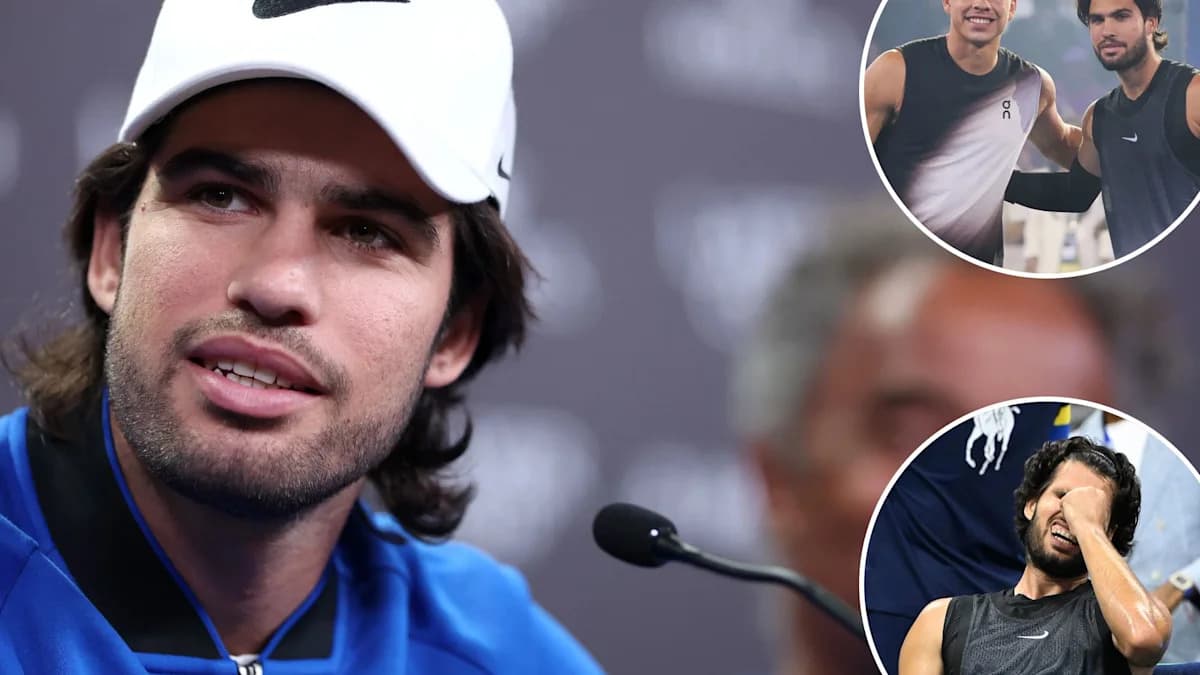
Carlos Alcaraz Voices Frustration Over Late US Open Match Finish
During a press conference in London on Thursday, Carlos Alcaraz expressed his displeasure about the timing of his recent US Open quarterfinal match against Ben Shelton. The contest extended into the early hours, concluding at 3:33 a.m., breaking the tournament's record for latest finish. This surpassed the previous mark of 2:50 a.m., set in 2022 during a match involving Alcaraz and Jannik Sinner.
Alcaraz described the challenge of finishing so late, explaining that players had to leave the court by 4:30 a.m., get back to their hotels, and often could not sleep until 6:30 or 7 in the morning. This disrupted rest impacts recovery and gives an advantage to opponents who face better-rested players.
Quarterfinal Marathon Match Delays
The gripping five-set match between Alcaraz and Shelton kept fans riveted as Shelton managed a significant upset over the former World No. 1. Earlier delays on that day pushed the quarterfinal's start time back, with the first night session beginning at approximately 8:20 p.m., more than an hour later than planned.
"It is a shame a match like this didn’t reach a lot of people because they have to go to bed, they have to work in the morning," Alcaraz said. "If that match had started at 7 or 8 p.m., at the maximum finishing at 11, the stadium would have been packed. A lot had to miss it because of the schedule."
Despite the late hour, ESPN still averaged 1.3 million viewers for the match.
USTA Responds to Concerns About Scheduling
Craig Tiley, USTA director, defended the scheduling choices when speaking to Sky Sports earlier this month. He acknowledged that matches do finish late but questioned what alternatives there were, noting the uncontrollable nature of match lengths.
"I hear from a lot of people that it finishes too late and then I say, OK, and your suggestion is? I don’t get anything," Tiley said. "You can’t control the length of the match."





