Carlo Ancelotti's Bold New Brazil Squad
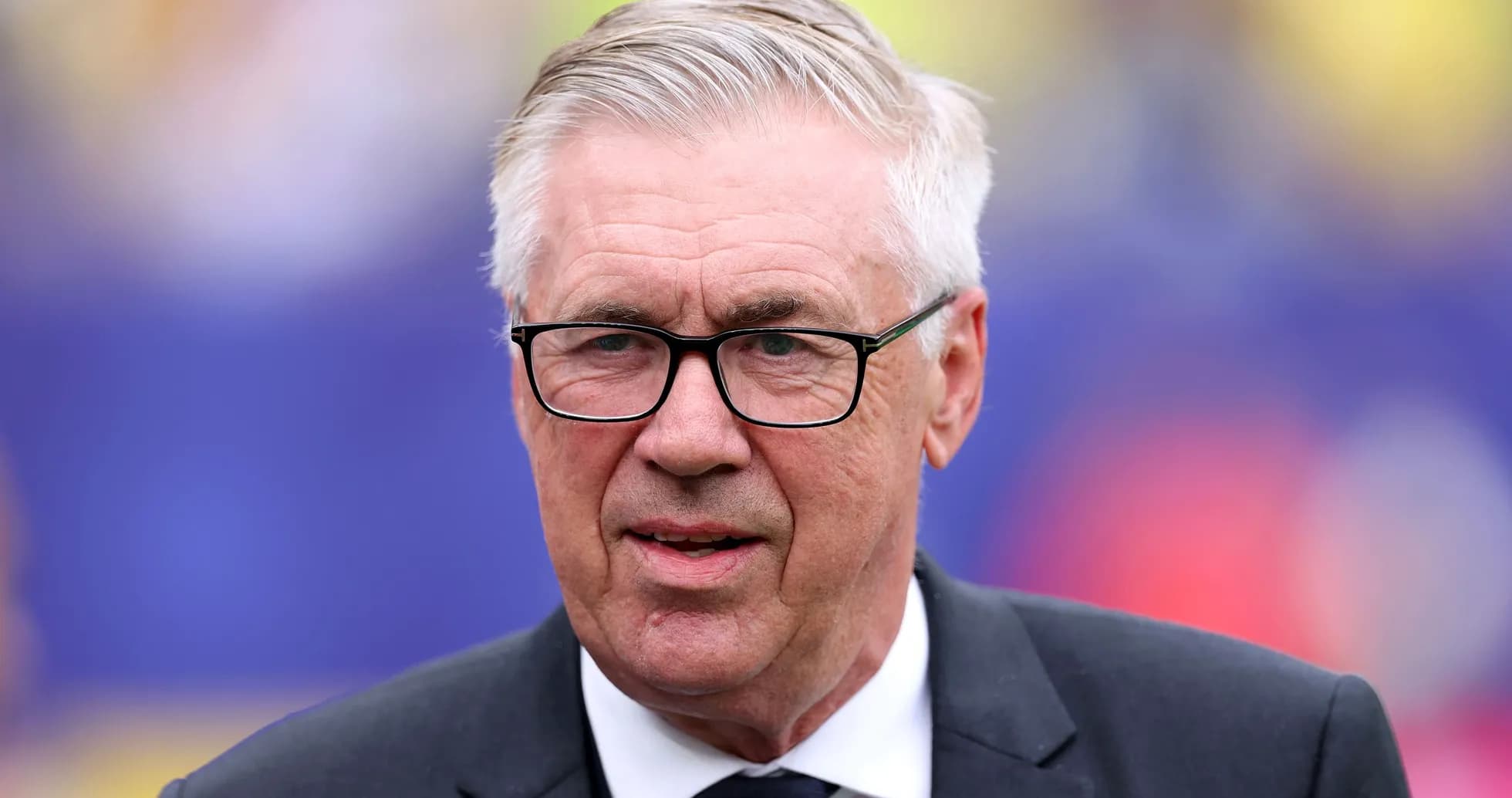
Carlo Ancelotti does not do half measures. Not at club level, and certainly not with Brazil.
Barely months after a bruising World Cup exit to Norway in the round of 16, the Italian has ripped up his squad list and started again, unveiling a bold, youthful group for upcoming friendlies against Australia and India. This is not a tweak. It is a reset.
A ruthless break with the past
The names missing from the roster tell the story as loudly as those included.
Alisson, long regarded as one of the best goalkeepers in the world, is out. So are seasoned midfield anchors Casemiro and Fabinho. Neymar, of course, is absent after his recent international retirement, drawing a definitive line under an era that promised so much and ended in quiet disappointment.
Ancelotti had promised change in the raw aftermath of that defeat to Norway. He has delivered. The new squad is built with a clear filter: players eligible for the 2028 Olympic Games and young enough to form the spine of a 2030 World Cup challenge.
The World Cup failure clearly cut deep. Ancelotti admitted the sting of international defeat lingers far longer than any club setback, and his response has been to treat this as the start of an entirely new cycle, not a repair job on the old one.
Alisson out, a new generation in goal
The most striking call comes in goal.
Alisson has not been discarded as a player, but as a priority. Ancelotti made it clear he knows exactly what the Liverpool keeper can offer and left the door wide open for a return when the stakes rise again at tournaments like the Copa America. For now, though, the shirt passes to younger hands.
Hugo Souza, Pedro Morisco and Otavio will share the gloves on this tour, a trio tasked with proving they can carry the burden in the long term. Ancelotti’s message could hardly be sharper: this window belongs to the next generation, not the established hierarchy.
Building a new core, with trusted lieutenants
This is not a kids-only revolution. It is a carefully managed handover.
At the back, Marquinhos remains the defensive reference point, flanked by Gabriel Magalhaes and a group of emerging defenders: Arthur Dias, Wesley, Douglas Santos, Jair, Matheuzinho, Maurio Junior and Vitor Reis. The Paris Saint-Germain captain will be asked to do more than defend; he will have to guide a back line that may form the basis of Brazil’s future.
In midfield, Bruno Guimaraes is the new standard-bearer. Fresh from his move to Arsenal, he stays in the squad as a leader in a unit that also includes Andrey Santos, Danilo Santos, Douglas Luiz, Breno Bidon and Gabriel Bontempo. It is a group rich in energy and technical quality, but short on caps. Ancelotti wants them to grow together, to learn international football side by side rather than waiting their turn behind older names.
Up front, the blend of present and future is even more striking. Vinicius Junior and Raphinha remain as headline acts, the Real Madrid and Barcelona wingers charged with setting the tone in attack. Chelsea’s Joao Pedro returns after missing the World Cup, a second chance to stake his claim at centre-forward.
Around them, the future hums with possibility: Endrick, Estevao, Pedro, Rayan, Samuel Lino and Vinicius Junior forming a forward line that looks built for the next decade, not the next window.
Ancelotti has been explicit about why a handful of stars have survived the cull. Players in their mid-30s, he says, are the present, not the future. If they are still at the required level when a major tournament arrives, they will be there. Until then, the focus is on those who can carry Brazil through the next full cycle.
A global tour with a long view
The immediate stage for this experiment is far from the glare of a World Cup or Copa America, but the itinerary is significant in its own way.
Brazil will first head to Australia, facing the Socceroos in Townsville on September 25 before a second meeting in Brisbane four days later. These are labelled friendlies, yet for many of the players involved they will feel like auditions for the next six years.
Then comes something unprecedented: a trip to Kolkata on October 3 for Brazil’s first ever match in India. For a nation that worships the yellow shirt from afar, it is a landmark occasion. For Ancelotti, it is another controlled test for a squad that needs to learn how to carry the Brazil badge under intense, unfamiliar scrutiny.
The shape of Brazil’s tomorrow
Look down the list and the pattern is unmistakable:
- Goalkeepers: Hugo Souza, Pedro Morisco, Otavio
- Defenders: Arthur Dias, Wesley, Marquinhos, Gabriel Magalhaes, Douglas Santos, Jair, Matheuzinho, Maurio Junior, Vitor Reis
- Midfielders: Bruno Guimaraes, Andrey Santos, Danilo Santos, Douglas Luiz, Breno Bidon, Gabriel Bontempo
- Forwards: Endrick, Joao Pedro, Estevao, Pedro, Raphinha, Rayan, Samuel Lino, Vinicius Junior
This is a squad chosen with 2028 and 2030 written all over it. The pain of the last World Cup has not been buried; it has been used as fuel.
The question now is simple and brutal: can this new Brazil grow quickly enough, and strongly enough, to ensure that the next time the world is watching, the story ends very differently?