Canelo Alvarez Reclaims WBC Title Against Christian Mbilli
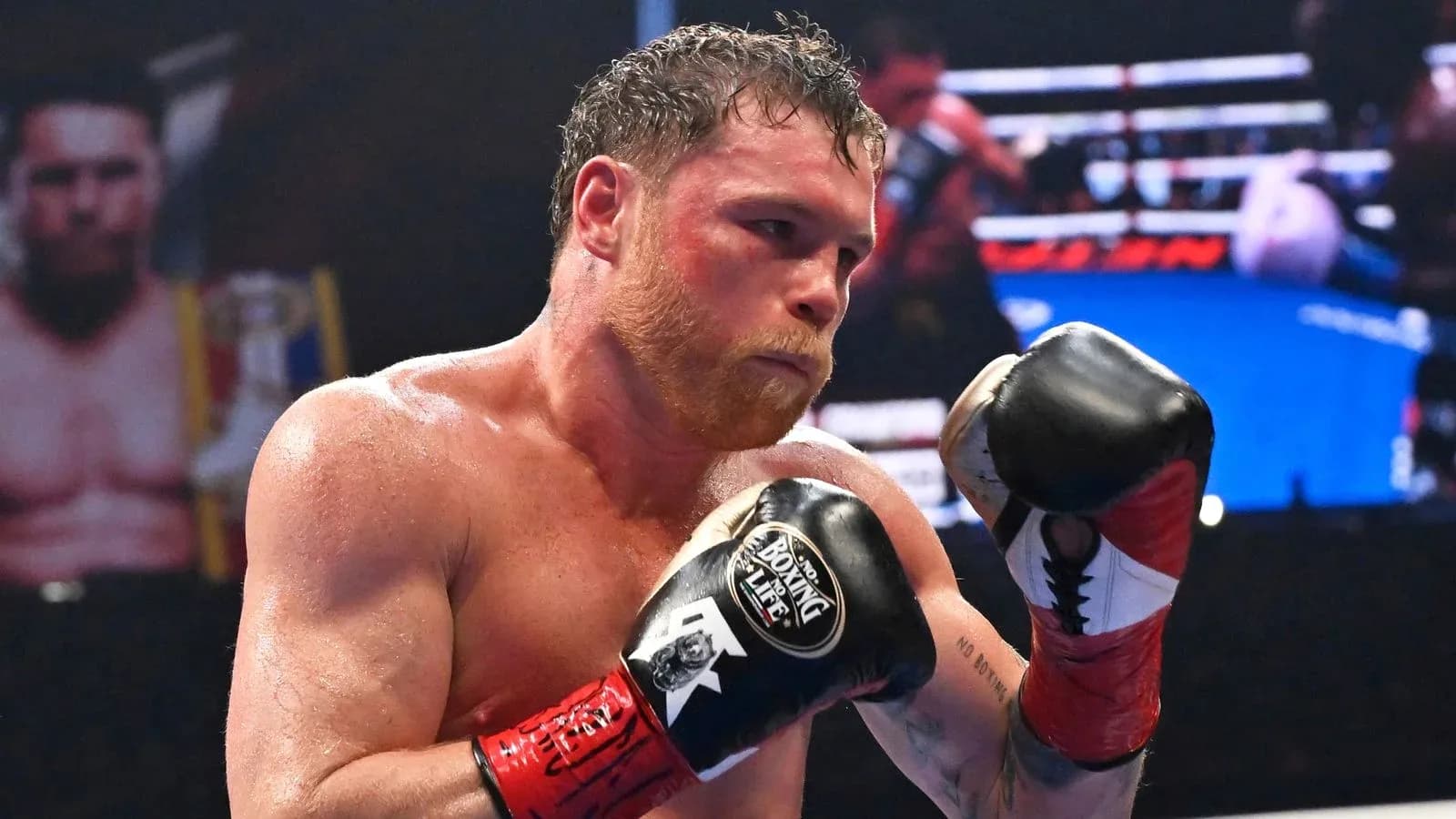
Canelo Alvarez dragged Christian Mbilli into deep water in Riyadh, then calmly reclaimed the WBC super-middleweight title that once defined his era.
A year on from the humbling loss to Terence Crawford, the Mexican walked back into a storm: an unbeaten, aggressive champion with youth, momentum and nothing to lose. It didn’t matter. Over 12 rounds, Alvarez reminded boxing why his name still carries heavyweight gravity, winning by unanimous decision with scores of 115-112, 116-111 and 117-110.
Mbilli starts fast, Canelo stays cold
Mbilli did what he had to do early. He hustled.
The French-Cameroonian champion bustled into range in the first half of the fight, letting his hands go in busy bursts, pinning Canelo to the ropes and forcing the veteran to work. He jabbed to the body, whipped shots upstairs and tried to make the 68-fight veteran feel every one of his 31 years and every mile on the clock.
For a few rounds, it worked. Canelo gave ground, studied, absorbed. Mbilli’s pressure pushed him to the strands and the younger man looked ready to turn this into a dogfight.
Then the rhythm changed.
Canelo’s adjustments, Mbilli’s doubts
From the sixth round, Alvarez began to tighten the screws.
He found the shot that so often unlocks his best work: the right uppercut. He slipped it between Mbilli’s gloves to split the guard, then drove a hard right cross straight through the gap he’d created. The combination wasn’t just eye-catching; it was educational. Mbilli felt the weight and started to hesitate.
Canelo grew comfortable on the ropes, not trapped but coiled. He rolled with shots, picked counters, and let that vicious uppercut become a warning sign. Every time Mbilli leaned in, he knew the price of recklessness had just gone up.
By the eighth, the veteran was in full command of the exchanges. Alvarez stitched together a sharp four-punch combination and finished with a right to the head that snapped Mbilli back. As the champion surged forward to answer, the referee docked him a point for a shot around the back of the head – a harsh blow to a man already struggling to keep control of the narrative.
Mbilli needed a momentum swing. Canelo gave him none.
Alvarez stepped off the ropes, took the centre of the ring and started drilling him with the right hook, mixing head and body, making the younger man think before every attack. The snap that Mbilli had in the early rounds began to dull. The bursts came less frequently. The pressure that once felt suffocating now looked desperate.
Final bell, familiar champion
In the last round, Mbilli tried to summon something dramatic. He landed a clean shot, then instinctively backed off. Canelo, sensing the hesitation, waved him in, almost daring him to gamble. Mbilli didn’t bite.
Alvarez walked him down instead. Mbilli cracked him with a hard right, but the challenger barely blinked and fired back, blasting home an excellent right of his own. It felt less like a final flourish and more like a closing argument.
When the cards came in, there was no suspense. Unanimous decision. Another belt. Another layer to a career that already stretches across 21 professional years and 68 fights.
For all that experience, the reaction said plenty. Alvarez looked not just proud, but relieved to be a world champion again. Sixteen years after his first title, he now holds another version of a crown he once unified.
“It’s so difficult to explain. It’s something unbelievable,” he said in the ring. “Now after 21 years as a professional, 16 years ago I won my first title, now I won the title again… I want to thank everybody back home.
“I knew he was a strong fighter. He didn’t throw a lot of punches because it’s difficult to throw punches with me... I did perfectly. I’m going to keep learning, I’m going to keep working hard. I’m going to take a couple of weeks off and then come back.”
The message was clear: this wasn’t a farewell tour. It was a reset.
Munguia survives a scare
On the undercard, Jaime Munguia’s reign nearly ended in disaster.
Defending his WBA super-middleweight title against awkward southpaw Nikita Zon, the Mexican champion walked into a nightmare sixth round. Zon, who had already been landing heavy backhand lefts and driving Munguia to the ropes and corners, uncorked a long left uppercut that badly hurt the champion.
Munguia staggered and retreated. Zon pounced.
He swarmed all over him, hammering away, the upset suddenly looming large as the Mexican reeled under the assault. Munguia looked on the verge of being taken out, but somehow refused to fall, clinging on as Zon emptied the tank in search of a stoppage.
That desperate assault cost the challenger. As Zon tired, Munguia’s survival instincts turned into control. The champion steadied himself, walked his man down and began to bank the later rounds with cleaner, heavier work. By the final bell, the storm had passed and the cards reflected his recovery: 116-112 and 117-111 twice, a unanimous decision that looked far more comfortable on paper than it had in the middle of the fight.
He kept his belt, but also learned just how thin the line can be between dominance and disaster at world level.
Espinoza ruthless, Blandon unlucky
Rafael Espinoza needed no drama.
The towering featherweight champion made short work of late replacement Ricardo Blandon to retain his WBO title, using his height and leverage to punish the Nicaraguan from range.
Espinoza smashed a flush cross onto the top of Blandon’s head, opening a nasty cut along the challenger’s eyelid. The damage was immediate and brutal. After a quick inspection in the third round, the ringside doctor stepped in and pulled Blandon out, leaving Espinoza with a routine but emphatic defence.
Three champions, three very different nights: one statement of resurgence from a modern great, one narrow escape, and one cold, clinical finish. For Canelo Alvarez, though, the equation is simple again – he has a world title back around his waist, and the super-middleweight division has to deal with him all over again.