Five Key Takeaways from Canelo Alvarez's Return and the Challenges Ahead
Canelo Alvarez Proves He's Still a Force at 36
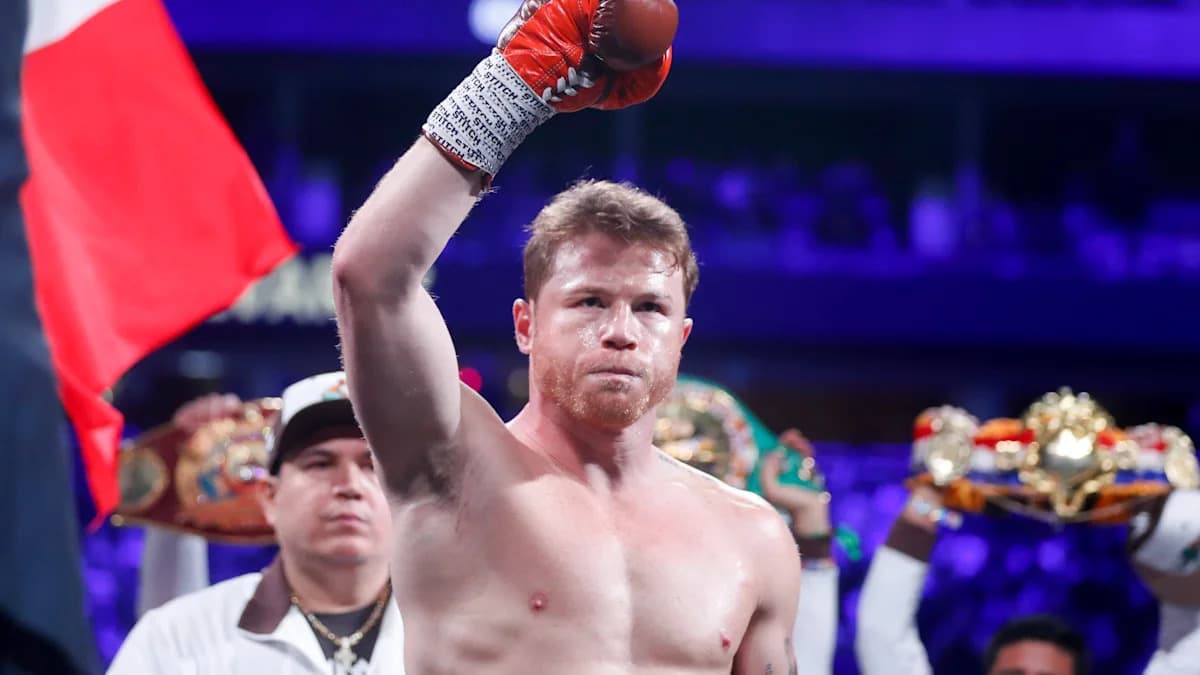
Saul Canelo Alvarez showed last Saturday that age hasn't diminished his ability to dominate. Despite being 36, he easily outpointed Christian Mbilli to retain his WBC super middleweight title in Riyadh, reminding everyone he remains a formidable champion.
1. Canelo Successfully Neutralized Mbilli’s Pressure
Known for his aggressive, high-volume style, Mbilli struggled against Canelo's experience and tactics. Compared to Mbilli's previous fights, Compubox stats reveal a significant drop in his punch volume and accuracy against Alvarez. He averaged just 10.6 punches landed per round here versus over 20 in earlier bouts. His power punches dropped sharply, while jabs increased but without much effect.
Mbilli tried to increase his output in the second half of the fight but could barely improve his landing rate, showing how Canelo’s jab, defensive positioning, and counterpunching took away Mbilli’s main weapon: relentless pressure. Instead of allowing Mbilli to dictate the pace, Alvarez controlled the fight, forcing his opponent to hesitate.
2. Jaime Munguia Shows a Different Side of Eddy Reynoso’s Training
Eddy Reynoso, famous for shaping Canelo’s disciplined, tactical style, coaches Jaime Munguia, who displayed a more brawler-like approach on the same card. Munguia survived a tough sixth round but eventually won by decision against Nikita Zon.
Munguia’s style is high-volume and aggressive but leaves him open defensively. He’s vulnerable to uppercuts and tends to get caught in exchanges. Despite training with Canelo and Reynoso, these flaws remain prominent. His upcoming fight against mandatory challenger Bektemir Melikuziev will test whether Munguia can overcome those weaknesses.
3. The Super Middleweight Division Lacks Clear Contenders for Canelo
Although Munguia holds a WBA belt, he’s unlikely to face Canelo due to their partnership and previous loss to Alvarez. Other names in the division don’t present clear, big threats yet. Hamzah Sheeraz showed promise with a strong 2025 performance but has since cooled off. Lester Martinez, the WBC interim champion, lacks a high profile and delivered mixed results, including a draw with Mbilli, who Canelo dominated.
The most intriguing potential threat might be Osleys Iglesias, the IBF champion known for his knockout power and southpaw skills. Iglesias recently stopped an unbeaten fighter and has publicly called for a unification bout with Canelo. Still, he doesn’t carry the commercial appeal to create a major event immediately.
4. Dana White’s Criticism of Boxing Broadcasts Remains Valid
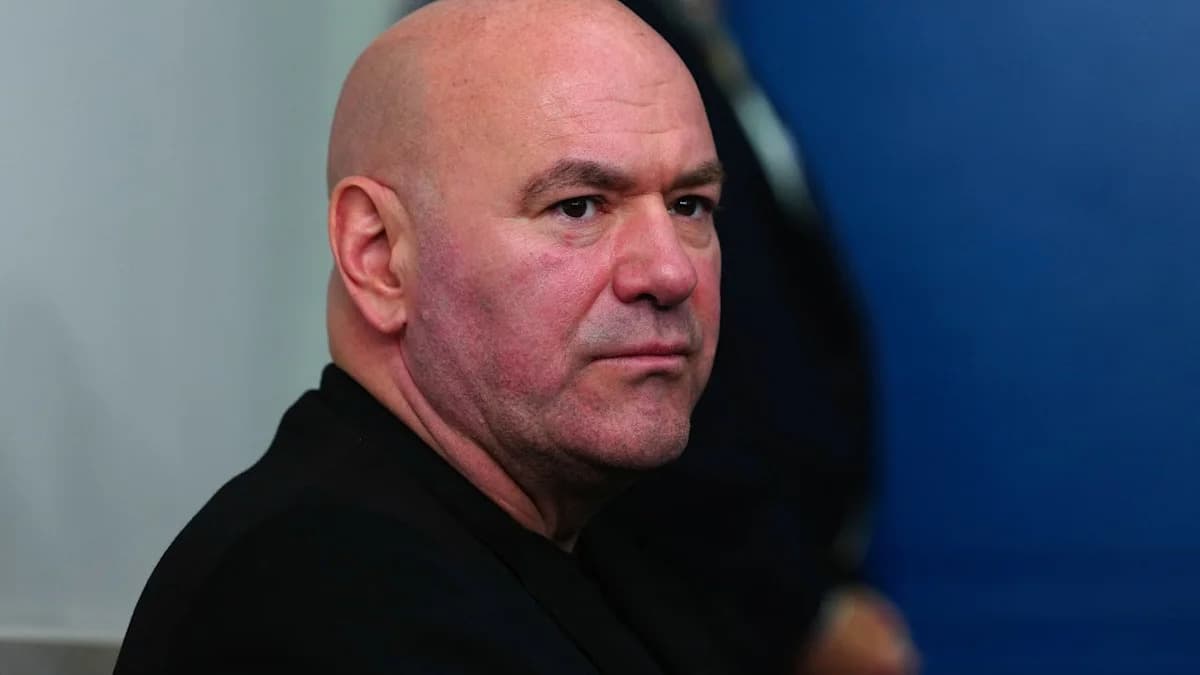
UFC CEO Dana White has often criticized boxing for long, drawn-out shows filled with excessive studio analysis rather than nonstop action. Saturday’s pay-per-view echoed his complaints, with frequent breaks for commentary, recycled interviews, and filler segments interrupting the fights.
Despite capable broadcasters like Kate Abdo and Chris Mannix, the event’s pacing felt slow and padded, frustrating viewers who had to wait through hours of talking between matches. This issue is not new and was also apparent at the July Anthony Joshua event. Other combat sports promote a quicker, uninterrupted flow that better respects fans’ time.
5. Security Risks Shadowed the Riyadh Event
The fight took place amid real security concerns. Just days before, Riyadh received warnings about hostile aerial threats, including missile attacks linked to Houthi forces that had already caused casualties and injuries in the city. Foreign governments advised against non-essential travel to Saudi Arabia, making the decision to hold the event there controversial.
Though the fights proceeded without incident, the ongoing risk underlines a disconnect between hosting a major sporting event and the volatile environment around it. This situation calls into question whether Riyadh can become a new fight capital, especially given the logistical and safety challenges.