Bryant Jennings Faces Brandon Moore in Win-or-Go-Home Fight
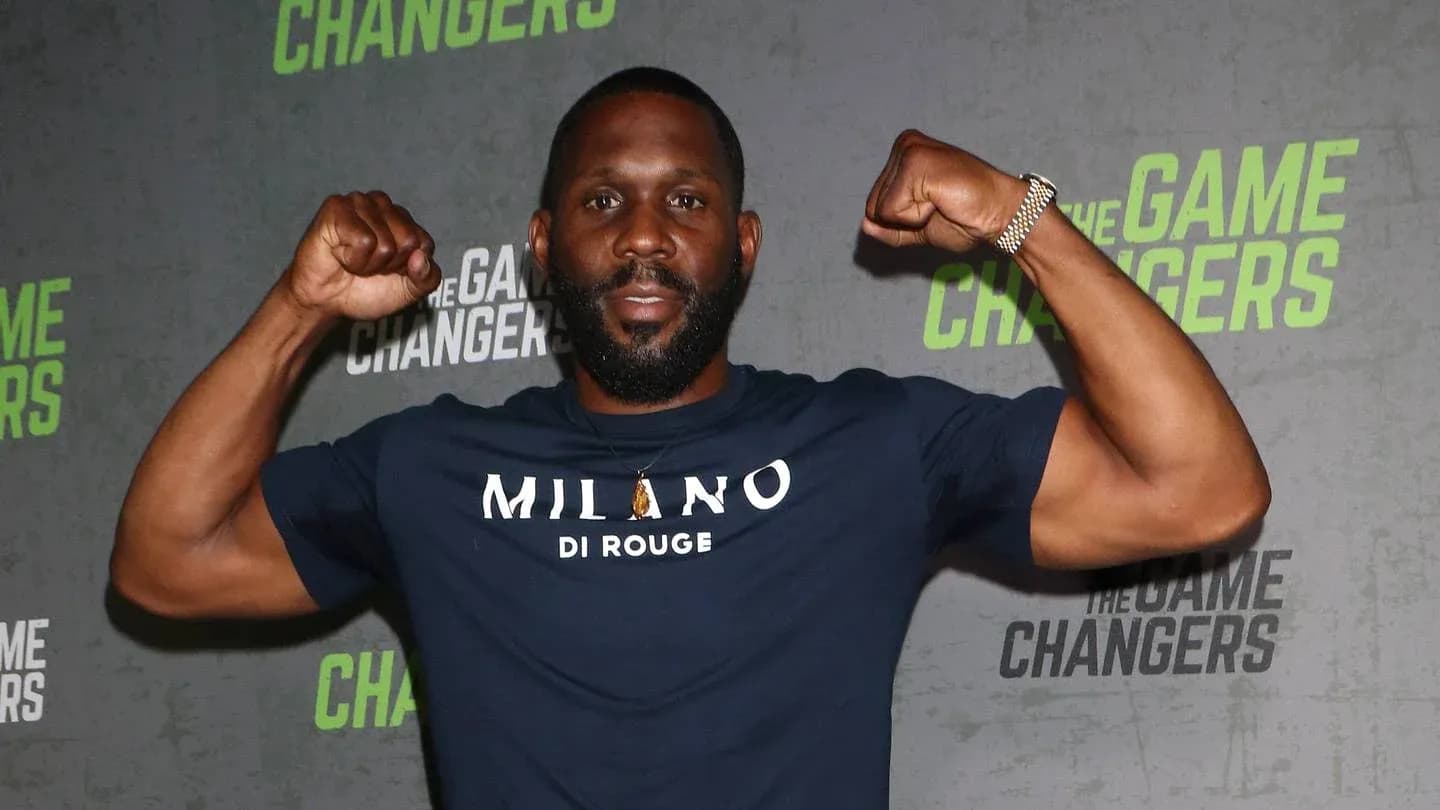
Bryant Jennings walks toward one last gamble, and of course it comes with Philadelphia written all over it.
On Saturday night at the Fox Theatre in Detroit, the 41‑year‑old heavyweight meets Brandon Moore in a ten‑round main event on Salita Promotions’ “Big Time Boxing” series, a fight he openly calls a “win‑or‑go‑home situation.” For a man who once clocked in at 7:30 a.m. at the Federal Reserve Bank of Philadelphia before heading to the gym, the stakes are brutally simple: extend the story, or close the book.
This fight is a win-or-go-home situation.
He wants another world title shot. He wants to stretch the word “legacy” a little further. But he also knows there are no more soft landings at this age, not at heavyweight, not after everything he has already survived in the ring.
The last of a fighting city
Jennings calls himself one of the last acolytes of the Philadelphia boxing scene, then almost shrugs it off by insisting that “Philly boxing” doesn’t really exist anymore. That contradiction fits the city perfectly.
This is the town of Bernard Hopkins, Bennie Briscoe, Matthew Saad Muhammad, Dwight Muhammad Qawi, Joe Frazier, Jersey Joe Walcott, Danny Garcia, Julian “J-Rock” Williams. Today, the brightest light is Jaron “Boots” Ennis, a welterweight who stands between rounds the way generations of Philly fighters once did.
People from outside love to talk about the “Philly shell,” the shoulder‑roll stance popularized on the world stage by Floyd Mayweather Jr.: lead hand low across the body, rear hand tight to the chin, chin tucked behind the lead shoulder. But that’s only the surface. A pose, not a philosophy.
“I wouldn’t say that a certain style defines Philly boxing anymore; maybe a demeanor or attitude or some other attribute you can’t exactly put your finger on,” Jennings said.
He is probably right. Philly boxing is less about how you stand and more about what you’re willing to stand through. Technically sharp enough to outbox an opponent, mean enough to beat him any way necessary. Willing to run through walls, or up museum steps, or into a meat locker if that’s what it takes.
The most famous fighter from the city is still fictional: Rocky Balboa, pounding sides of beef in a cold warehouse. That scene came from a real place. Joe Frazier did it first. In Philadelphia, unorthodox and blue‑collar are not buzzwords; they’re job descriptions.
Standing between rounds became a calling card. Old‑timers did it to show their opponents and themselves that they didn’t need the stool. Ennis still does it now. Jennings comes from that line, whether he wants the label or not.
From Klitschko to the brink
Jennings steps through the ropes on Saturday night older than Wladimir Klitschko was when they shared a ring in 2015. The Ukrainian was 39 then, deep in the autumn of a great career. Jennings, a relative novice at the time, had only been boxing since 2009. Six years from first lacing up gloves to challenging for the heavyweight championship of the world.
“I don’t think anything went wrong that night with Klitschko,” he reflected. “I think it was a good opportunity for me, I had only started boxing in 2009, and in 2015, to be in a position to face Klitschko was a great opportunity. If I hadn’t taken that opportunity, who knows if I would have got a chance to face him with the time remaining in his career.”
He lost, but he belonged. That mattered.
The shot at Luis Ortiz for the WBA title came next, another crack at the summit in the same year. Again, he fell short. At the highest level, there are rarely second chances. Jennings had already taken two.
The slide that followed looked, from the outside, like the slow fade of another heavyweight contender. Then came the disputed defeat to Joe Joyce in 2019, a night that pushed him out of the sport entirely. He walked away and stayed away for five years, an eternity in a division where time hits as hard as any opponent.
He insists those years away weren’t wasted. He told KO On SI that he learned about himself, reset, and came back to boxing in 2024 with a clearer head. The body is 41. The mind, he says, is refreshed.
Bad blood in Detroit
Waiting for him in Detroit is Brandon Moore, an American contender with a grudge. This is not a polite comeback dance. The two men have been snapping at each other for weeks, their animosity stretching back to a training camp in Dubai.
The barbs have flown. Respect has not.
Jennings doesn’t keep in touch with old opponents. Once the fight is over, the number gets deleted, the memory filed away. If he wins on Saturday, Moore is likely to join that long list of names he no longer needs to think about.
Perhaps that’s a Philly thing too: do your work, take what you can from the night, move on without sentiment.
The fight streams on Wynn Records Network, a stage far smaller than the one he shared with Klitschko, but the consequences feel bigger. There is no title on the line, no belt to polish, no parade route to plan. Just a veteran heavyweight trying to prove there is still danger in his gloves and purpose in his legs.
For Jennings, this isn’t about nostalgia. It’s about survival in a sport that rarely forgives age or doubt. Win, and he can chase that one more shot at a world title. Lose, and the “win‑or‑go‑home” line stops being a soundbite and becomes a career epitaph.
Detroit will decide whether Bryant Jennings remains part of boxing’s present—or becomes one more hard story from a hard city that only the old heads in Philadelphia still tell.