Brooklyn Nets Open for Business: Trade Talks on Every Player
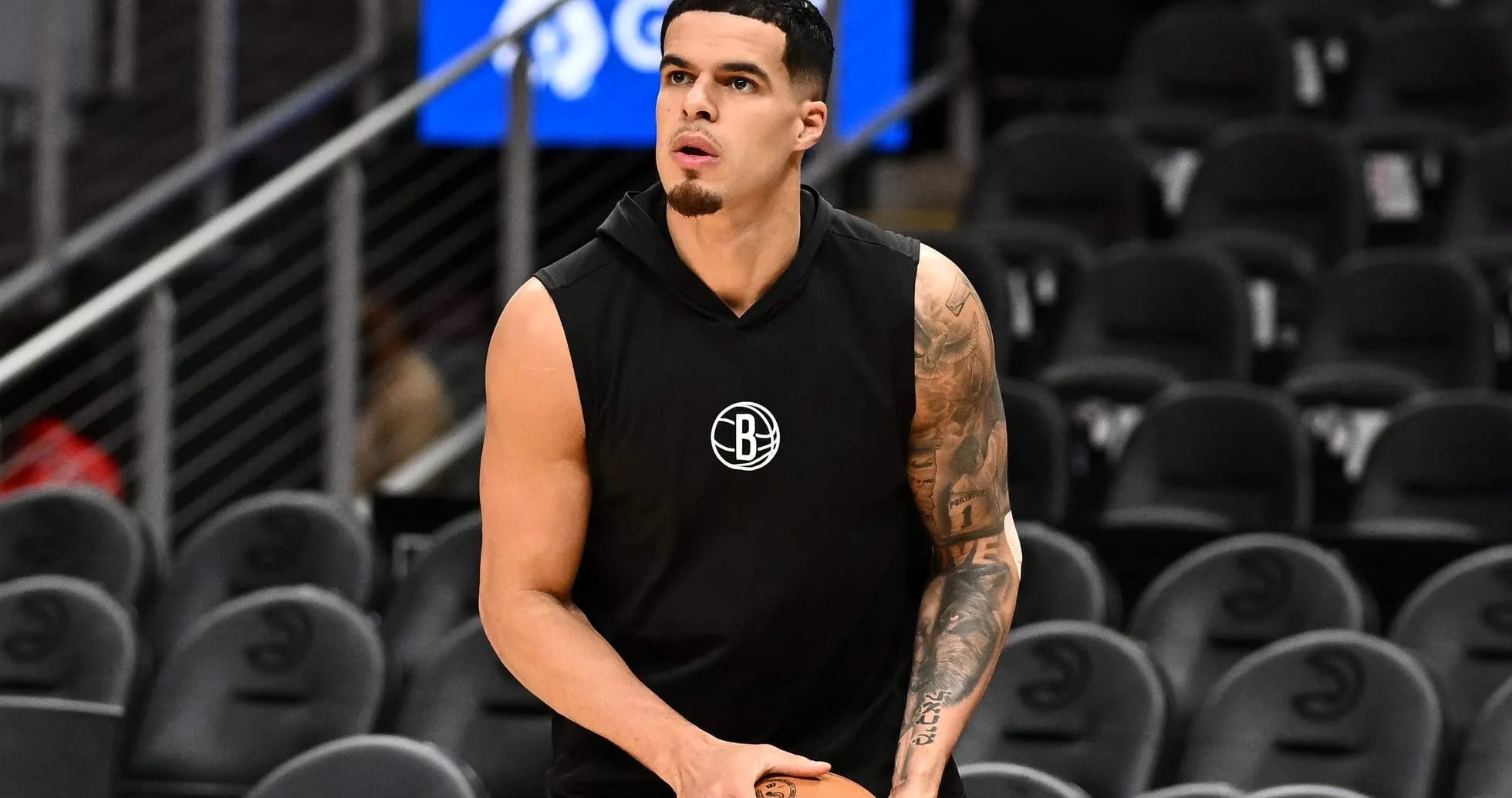
The Brooklyn Nets have put up the “open for business” sign.
According to The Athletic’s Sam Amick, Brooklyn is taking calls on every player on its roster, and a team source has backed that up. No protected list. No sacred cows. If a rival GM dials with a name, the Nets will listen.
That doesn’t mean a fire sale is underway. This is not a franchise dumping talent for the sake of it. It’s a front office staring at a 3-8 start, eight losses in its first 11 games, and accepting a hard truth: everything has to be on the table.
Two names will drive most of those conversations.
Porter and Randle at the center of the storm
Michael Porter Jr. is the cleanest trade chip they have. At 28, in his second season in Brooklyn after arriving from Denver in the summer of 2025, he’s producing exactly what contenders crave. He’s averaging 21.5 points and 7.5 rebounds, knocking down 37.5 percent from three, and stretching defenses every night.
Then there’s the contract. Porter is on a $40.8 million deal that expires this summer. For a team trying to win now, that’s a double attraction: elite shooting on a short-term commitment, and a massive expiring salary that can reshape a cap sheet. The catch is obvious. Anyone trading for him has to decide quickly whether he’s a rental or a long-term piece worth a hefty extension.
Julius Randle is the other headliner. He arrived in Brooklyn in a pre-draft blockbuster and brought with him both pedigree and complexity. The three-time All-Star is averaging 19.7 points, 6.5 rebounds and 5.0 assists, a playmaking forward who can initiate offense and bully his way into the paint.
He also holds a $35 million player option for 2027-28. That option looms over any negotiation. A team paying real assets for Randle has to weigh the risk that he could walk in July when he next hits decision time. The talent is obvious; the contractual control is not.
Brooklyn’s bind: no clean tank button
This isn’t a classic “tear it down and chase ping-pong balls” situation.
The Nets do not fully control their own 2027 first-round pick. Houston owns the right to swap picks with Brooklyn and is widely expected to use it. That swap strips away a key incentive for bottoming out. Losing big doesn’t automatically mean drafting big.
So the logic shifts. If the Nets can’t guarantee a premium pick by sinking in the standings, the smarter play is to squeeze value out of their veterans. Draft capital and young players become the currency, not lottery odds.
Brooklyn has already leaned into that approach. The franchise continues to build through the draft and is sitting on a 2032 first-round pick from Denver as part of the Porter deal. Moving Porter or Randle now for more picks or promising youngsters would deepen that war chest and stretch the timeline out further for a team still trying to construct a post-superteam identity.
The clock is already ticking
Timing shapes everything here.
In roughly a month, almost every player who signed in free agency this past summer becomes trade-eligible. Once that restriction lifts, the market opens up. More buyers. More frameworks. More ways for Brooklyn to get creative.
And then comes the hard stop: the Feb. 11 trade deadline.
Between now and then, calls will come. Some will be exploratory. Some will be aggressive. The Nets, as Amick reports and team voices confirm, will pick up the phone every time.
They may not be pushing names out the door. They don’t have to. In this league, word that “no one is off limits” travels fast.
For a franchise still laying its foundation, that stance might end up defining the next era in Brooklyn more than any single blockbuster ever could.