Barcelona's Evolution Post-Messi: A New Era
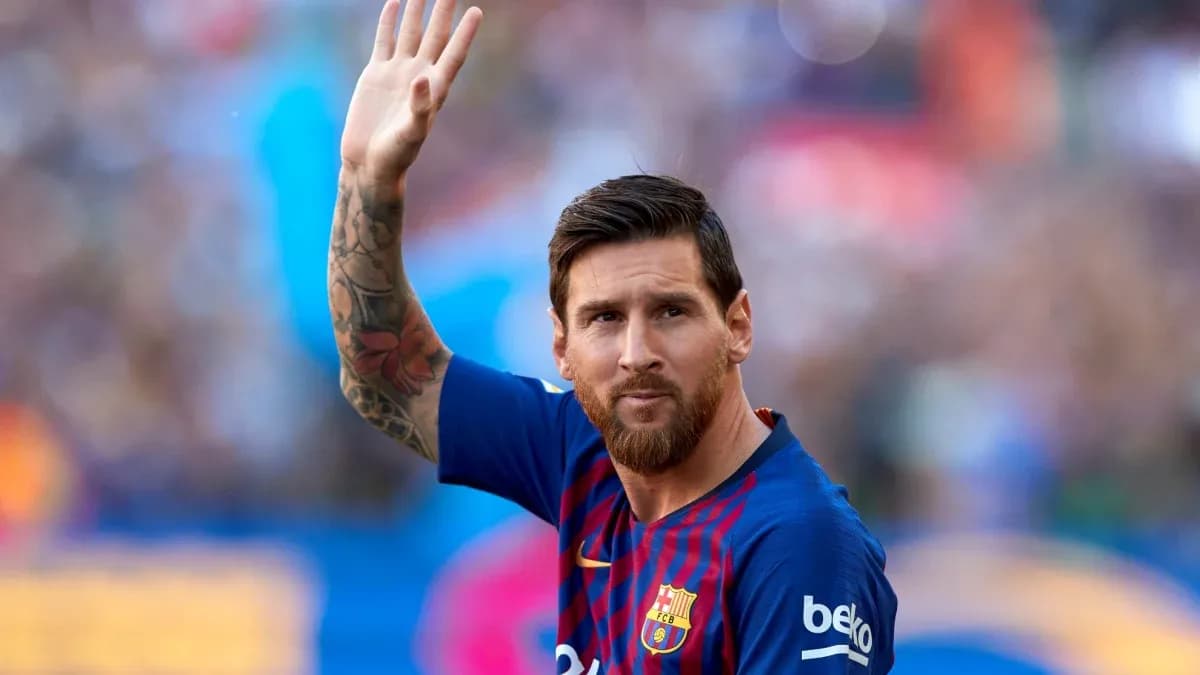
Lionel Messi left Barcelona three years ago, but the aftershocks of his exit still shape how the club is understood. Every new version of Barça is measured against the shadow of the greatest player in its history. For some, that comparison is a burden. For Pepe Brasín, it is the key to understanding why this new Barcelona even exists.
On air with La Tribu, Brasín went straight to the uncomfortable point: Messi’s departure, painful as it was, created the conditions for a different Barça to be born.
“Barça today is much better than in the late-Messi era,” he argued. No nostalgia, no caveats. Then came the line that framed his whole thesis: “For this Barça, which is among us right now, to be born, Messi had to disappear.”
He made it clear he was not touching the pedestal. Messi remains, in his words, “the best player of all time” and “obviously, the best player in Barça’s history.” The argument is not about legacy. It is about gravity.
When one star bends the whole club
Brasín’s point is simple and brutal: a player that big doesn’t just lead a team; he shapes its orbit. Everything bends around him — tactics, contracts, dressing-room dynamics, even the way fans and media talk about the club.
That is where his parallel with the NBA comes in.
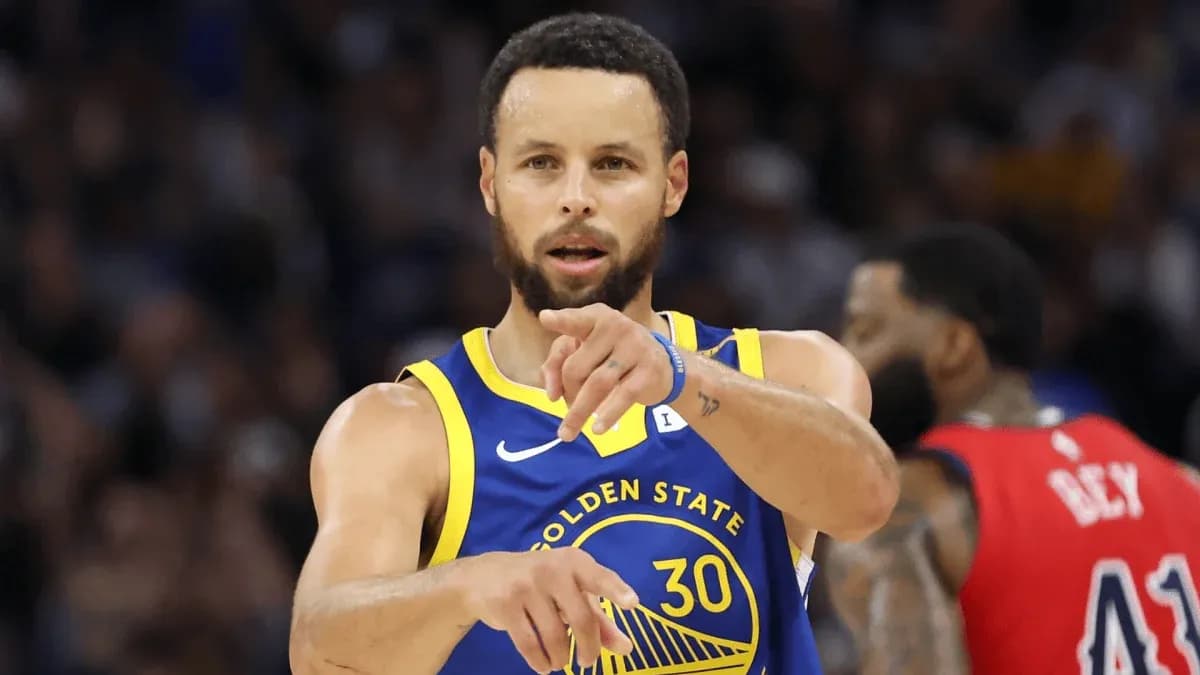
To explain Barcelona’s evolution, Brasín crossed the Atlantic and looked at the Los Angeles Lakers and LeBron James. For him, LeBron represents the same kind of force: a sporting giant whose mere presence distorts the construction of any project, not because he plays badly, but because he is too big to ignore.
“LeBron James, like all the giants of sport, has an almost infinite gravitational pull,” Brasín said. “He is almost a black hole in the middle of a galaxy, making all the other solar systems orbit around him.”
The image is striking and deliberate. With stars like Messi or LeBron, you don’t just sign a player. You sign a system.
Brasín underlined that this gravitational effect stretches far beyond the court. It starts with the salary that warps the wage structure. It moves into the locker room, where hierarchy and personality shape how the team behaves. It filters into how the team plays, who gets the ball, who takes the shots. It reaches the press, who turn every story into a referendum on the star. It touches the fans, whose expectations and frustrations end up focused on a single figure.
At some point, that weight stops being a blessing and starts becoming a limitation.
The space that appears when a giant leaves
From there, Brasín drew his bolder conclusion: sometimes the only way to build a future is for the great figure to step aside.
“Sometimes the great star, the great godfather, needs to disappear in order to keep building the future, to make a better team,” he said.
In Barcelona’s case, that meant ripping off the bandage. The “late-Messi era” Barça, as he called it, lived trapped between past and future: still dependent on Messi’s genius, but no longer able to surround him with the structure he needed. The result was a team that looked exhausted, emotionally and tactically.
Without him, a different dynamic emerged. The ball no longer had to find Messi on every possession. Young players could grow without constantly deferring to the legend. The club, forced by necessity, started to think in terms of collective project rather than individual salvation.
A Lakers project built around Luka Doncic
In his analysis, LeBron’s absence opened a door. With that towering presence gone, the Lakers could begin to assemble a roster tailored specifically to Luka Doncic — a team that doesn’t just accommodate a superstar, but is built from the ground up around his strengths.
This is where Brasín sharpened his comparison with Barça. Just as post-Messi Barcelona had to reimagine who it wanted to be, the Lakers, in his view, are now trying to do the same with Doncic as their axis.
He stressed that Doncic has not been a passive beneficiary of this shift. According to Brasín, the Slovenian has taken an active role in sporting decisions, working alongside the coach and the general manager. That involvement, he argued, is fundamental to understanding the franchise’s new direction: a project in which the main reference on the court also helps shape the decisions off it.
The message behind his analysis cuts across both sports and both clubs. There comes a moment when even the biggest name, the “godfather” of a project, stands in the way of what comes next. The courage lies in recognizing that moment and acting on it.
Barcelona did, with all the pain that entailed. The Lakers, Brasín suggests, are now living their own version of that same turning point — and betting that Luka Doncic is the star around whom a new galaxy can be drawn.