Barcelona's Champions League Aspirations with Rodri
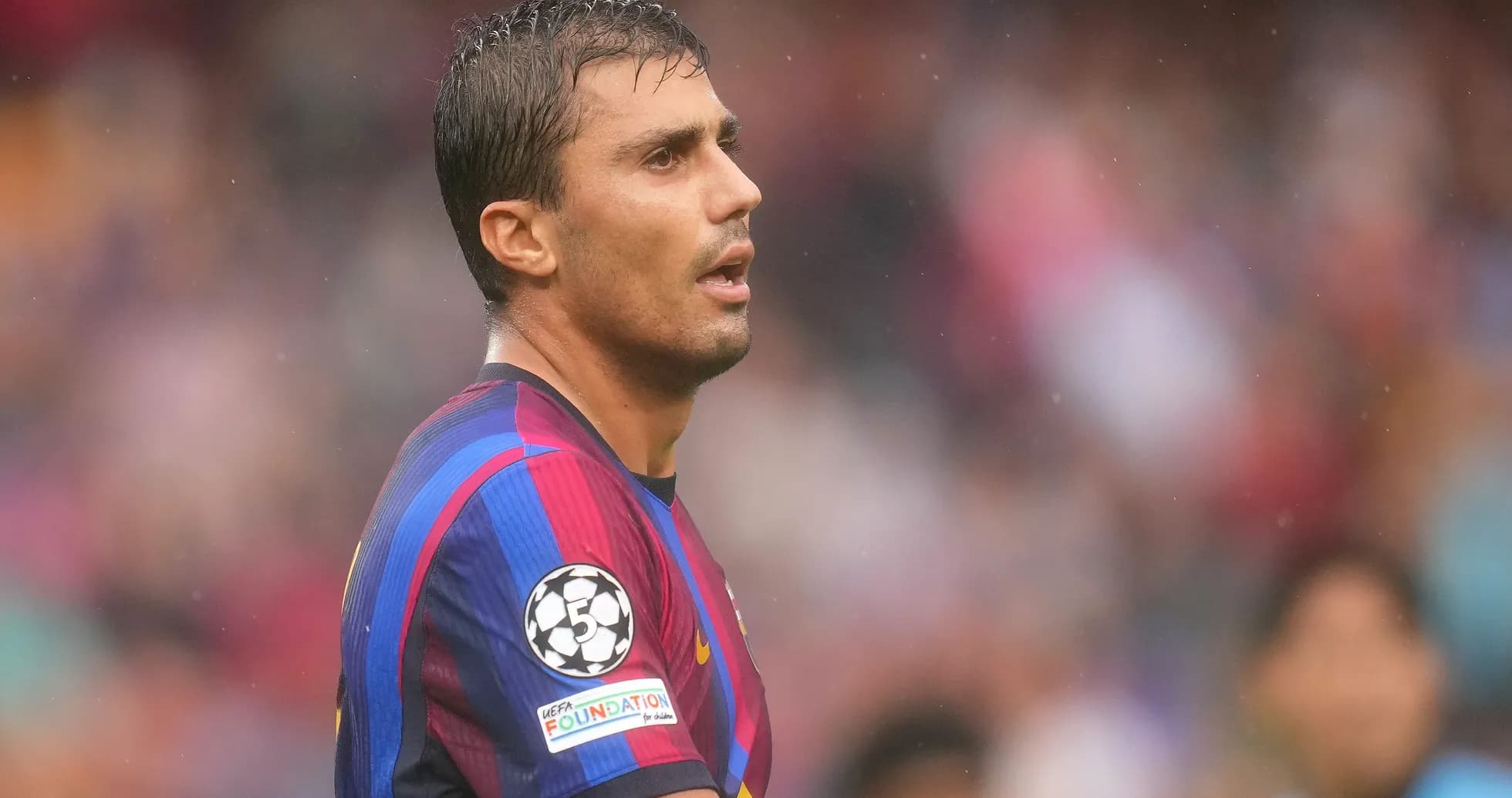
Barcelona have reclaimed their domestic throne, stitching together back-to-back La Liga titles, yet the Champions League continues to sit just out of reach, a 12-year ache that defines every season in Catalonia. The club’s answer in the summer was clear: go and get the man who has come to embody control on Europe’s biggest nights.
Rodri arrived from Manchester City not as a luxury signing, but as a statement. Spain’s captain, the metronome of Pep Guardiola’s greatest European side, has already slid into the Barcelona midfield as if he has been there for years. He dictates the tempo, closes the gaps, calms the chaos. Still, he is under no illusions about where this team stands in the continental hierarchy.
In a candid conversation with Mundo Deportivo, Rodri cut through the usual early-season bravado. The Champions League? Yes, it’s on the table. But not on Barcelona’s terms. Not yet.
“The Champions League is achievable, but I don’t think we’re favourites,” he said, refusing to dress the project up as something it is not. “Obviously, I see it as a realistic title for us. It’s that final step we need to take to establish ourselves and show Europe what kind of team we are.”
That “final step” has tripped Barcelona up repeatedly in recent years. From chaotic collapses against Inter and Atletico Madrid to nights where red cards, rash tackles and lapses in concentration shredded their plans, the club’s European story has veered from frustration to farce. The talent has rarely been the issue. The details have.
Rodri went straight to that point. Raw quality, he insisted, doesn’t carry you to Wembley or Istanbul on its own.
“I don’t think we’re favourites. You have to understand where we’re coming from and what it takes to become champions. This team still needs to polish several things to win it,” he warned. “Players like me have come here partly for that, to help the team grow and provide something that I think is important when it comes to winning titles as unique as the Champions League.”
He knows the margins. He has lived them. At City, it took years of painful near-misses before the trophy finally landed. Quarter-final exits, late goals conceded, big calls going against them. The lesson was always the same: Europe does not forgive.
Rodri framed the competition not as a meritocratic marathon, but as something far more cruel and unpredictable. “I don’t think the Champions League is a tournament where the best team necessarily wins. It’s a tournament of moments, and understanding those moments,” he said. That is where he sees the current Barcelona still learning, still maturing. “I think that’s perhaps the area where this team still has room to improve. But if you ask me whether we have a chance, that’s why I came here.”
His diagnosis is tactical as much as psychological. Barcelona have long been seduced by the idea of attacking perfection, of winning by playing the most expansive football on the pitch. Rodri, shaped by the pragmatism that finally turned City into champions of Europe, hinted at a different path.
“It’s about controlling those moments that make the difference in a tie, especially when the important knockout rounds arrive. Red cards, penalties, perhaps not conceding more than you should. All of those things determine whether you go through or go out,” he said. The message is blunt: romantic football alone does not survive in April and May.
Then came the line that will resonate with every coach in the building. “Perhaps it’s better not to be quite as good offensively but to be more consistent and more solid. The teams that have been able to win it have shown you that. That’s where we have room to improve, and I’m sure we will.”
This is not a rejection of Barcelona’s identity, but a recalibration of it. A recognition that the modern Champions League rewards balance, resilience, and a certain cold-blooded edge. The kind of edge they have conspicuously lacked in recent campaigns.
Rodri also placed Barcelona’s current journey within a wider, more personal timeline. He did not win Europe overnight in Manchester. He failed, repeatedly, before he lifted the trophy.
“That also comes with experience. I’ve always said that before you win, you have to lose and you have to learn,” the World Cup winner insisted. “Those of us who have been able to win important things know that. I’ve played in I don’t know how many Champions League campaigns before we were finally able to win it.”
The subtext is clear: this Barcelona side, for all its promise, still has scars to collect. “I understand that there’s a learning process in that experience, and I understand that players learn year after year,” he concluded.
La Liga has reminded everyone that Barcelona can still dominate a season. Europe will test whether they can now dominate a moment. With Rodri at the heart of it, the club’s next Champions League campaign will reveal if those painful lessons have finally started to sink in—or if the wait for that missing trophy stretches into a new era.