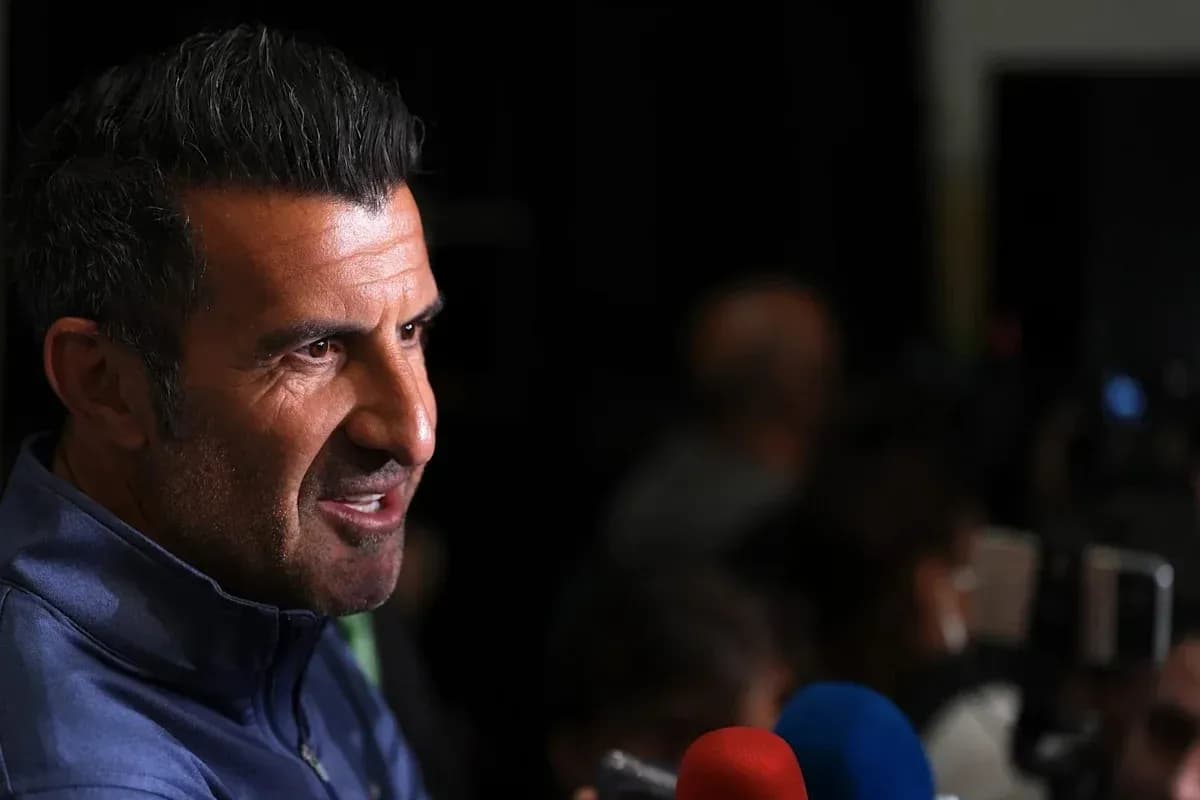
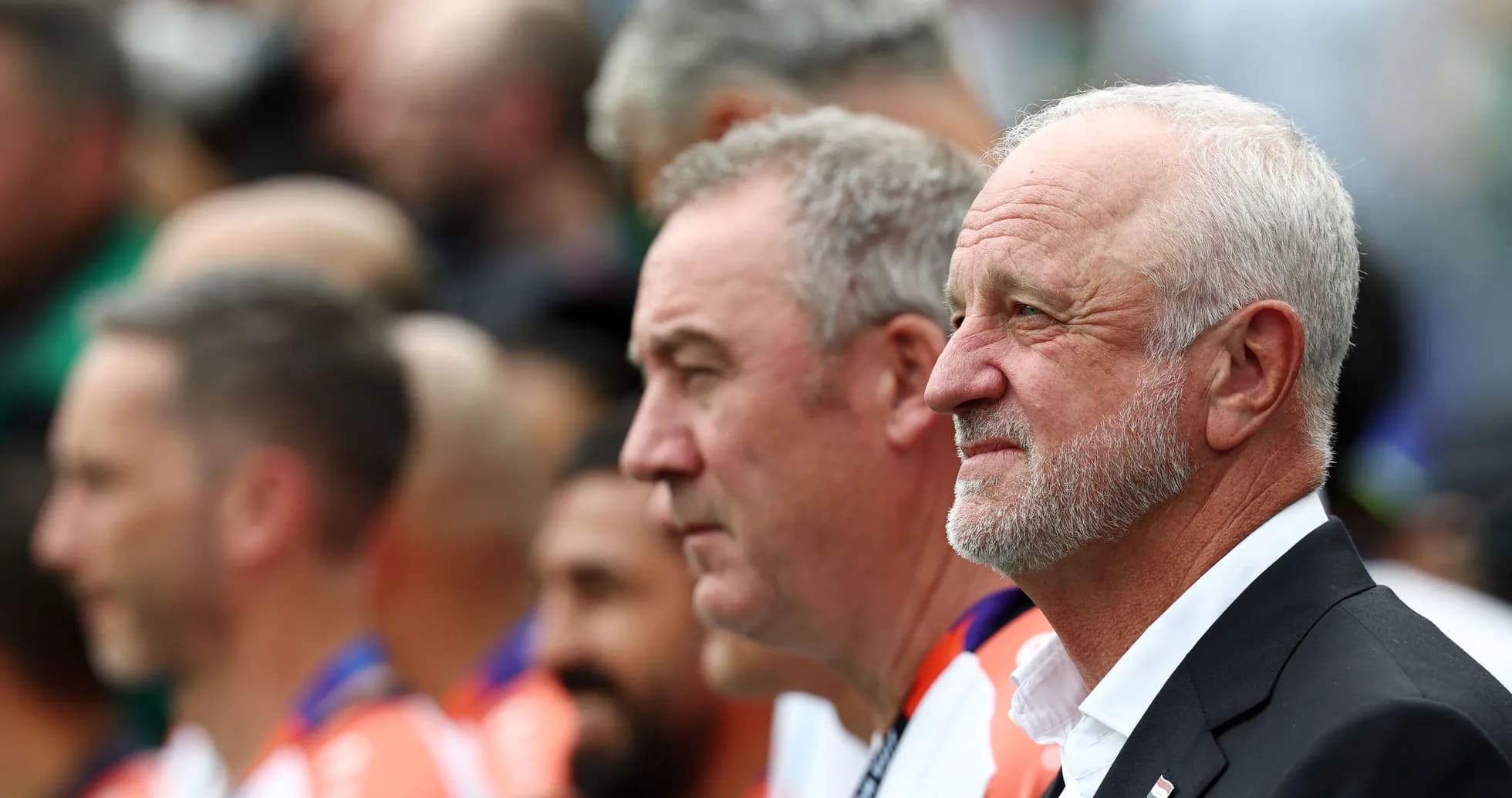
Ballon d'Or 2026: Coaches Compete for Glory
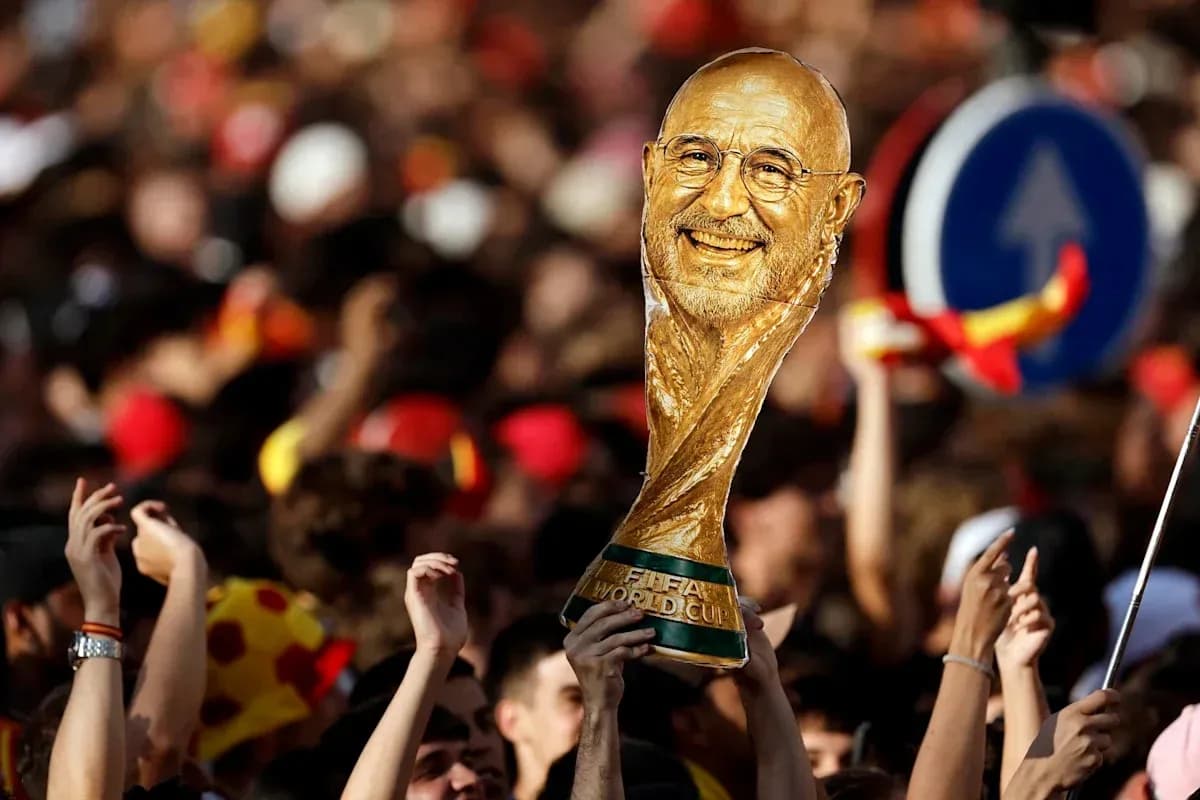
The Ballon d'Or stage will belong to the players on the night, as it always does. But this year, in London, the spotlight behind the spotlight might be even more fascinating.
Ten coaches. One trophy. And a list that says as much about where football is going as it does about who has already conquered it.
A Men’s Shortlist with a Spanish Accent
Look at the men’s nominees and one thing hits you straight away: this is Spain’s era.
Mikel Arteta (Arsenal), Luis de la Fuente (Spain), Unai Emery (Aston Villa), Luis Enrique (Paris Saint-Germain), and Vincent Kompany (Bayern Munich) make up the five-man field. Four Spaniards and one Belgian. It is not a quirk of the ballot. It is a map of power.
Arteta arrives with a season that would have defined a career in any other age: a Premier League title with Arsenal and a run all the way to the Champions League final. He has reshaped a club, then turned that transformation into silverware.
Luis Enrique walks in carrying something even rarer in the modern game: back-to-back Champions League titles with Paris Saint-Germain. The one trophy that seemed to elude PSG for a decade has become, under him, almost a habit.
Emery, the eternal cup specialist, wrote another chapter in his European story by taking Aston Villa to the UEFA Europa League crown. Villa were once a sleeping giant; Emery has them prowling around Europe again, dangerous and efficient.
Then there is Luis de la Fuente. While the others stack up club trophies, he holds the biggest prize of all: a major international title with the Spanish national team. When a coach wins “the biggest prize in the sport,” as his résumé bluntly states, he tends to start the race a step ahead of the rest.
Kompany is the outlier by passport, but not by philosophy. The Belgian’s Bayern Munich side swept the Bundesliga and DFB Pokal, doing it with a bold, front-foot style that lit up Germany. Even in his case, the Spanish thread runs through the story: Kompany has been open about the influence of Pep Guardiola on his ideas. The lone non-Spaniard on the list still carries a Spanish imprint.
Four out of five. That’s not a trend, that’s a statement. From dugouts in London, Paris, Birmingham and Munich to the national team bench in Madrid, Spanish coaching is setting the tempo. The rest of the world is left asking the same question: how did Spain pull this far ahead?
New Names, Heavy Trophy Bags in the Women’s Race
On the women’s side, the picture is different but just as compelling.
Every nominee is chasing this particular award for the first time. No defending champion. No established hierarchy. A clean slate, and a guarantee that a new name will be etched onto the Ballon d’Or coach’s trophy.
Jonatan Giráldez Costas (OL Lyonnes), Andrée Jeglertz (Manchester City), Nils Nielsen (Japanese national team), Pere Romeu (FC Barcelona), and Elena Sadiku (BK Häcken) make up a field defined by one thing: trophies, and lots of them.
Giráldez has turned OL Lyonnes into a machine. French Championship, French Cup, French League Cup – a domestic sweep that underlines total control. When a club wins everything available in its own country, the coach’s work is impossible to ignore.
Jeglertz answered from England. Under his watch, Manchester City took the WSL and the FA Cup, asserting themselves in one of the most competitive women’s leagues in the world. Titles in England are earned, not gifted.
Nielsen brings an international shine. Now unattached at club level, he still forced his way into the conversation by guiding Japan to the Asian Cup. International tournaments compress pressure into a few weeks; get them wrong and you’re out, get them right and your name lands on lists like this.
Sadiku’s season with BK Häcken delivered the Europa Cup, adding another Scandinavian voice to an increasingly global women’s game.
Then comes Romeu, at the helm of a juggernaut. FC Barcelona’s women’s team is relentless, and this year they were almost greedy with silverware: UEFA Women’s Champions League, Spanish Cup, La Liga, Spanish Super Cup. Four major trophies, one season, one coach driving the standards.
If the men’s list tells a story of Spanish tactical export, the women’s list tells one of breadth. France, England, Japan, Spain, Sweden. Club and country. Different leagues, different pressures, one shared theme: coaches who turned potential into medals.
London will crown just two of them. One from the men’s game, one from the women’s. Between the Spanish wave on one side and the fresh, hungry field on the other, the question is not whether the winners will be worthy.
It’s which vision of football the voters want to reward in 2026.