Arsène Wenger's Potential FIFA Presidential Bid
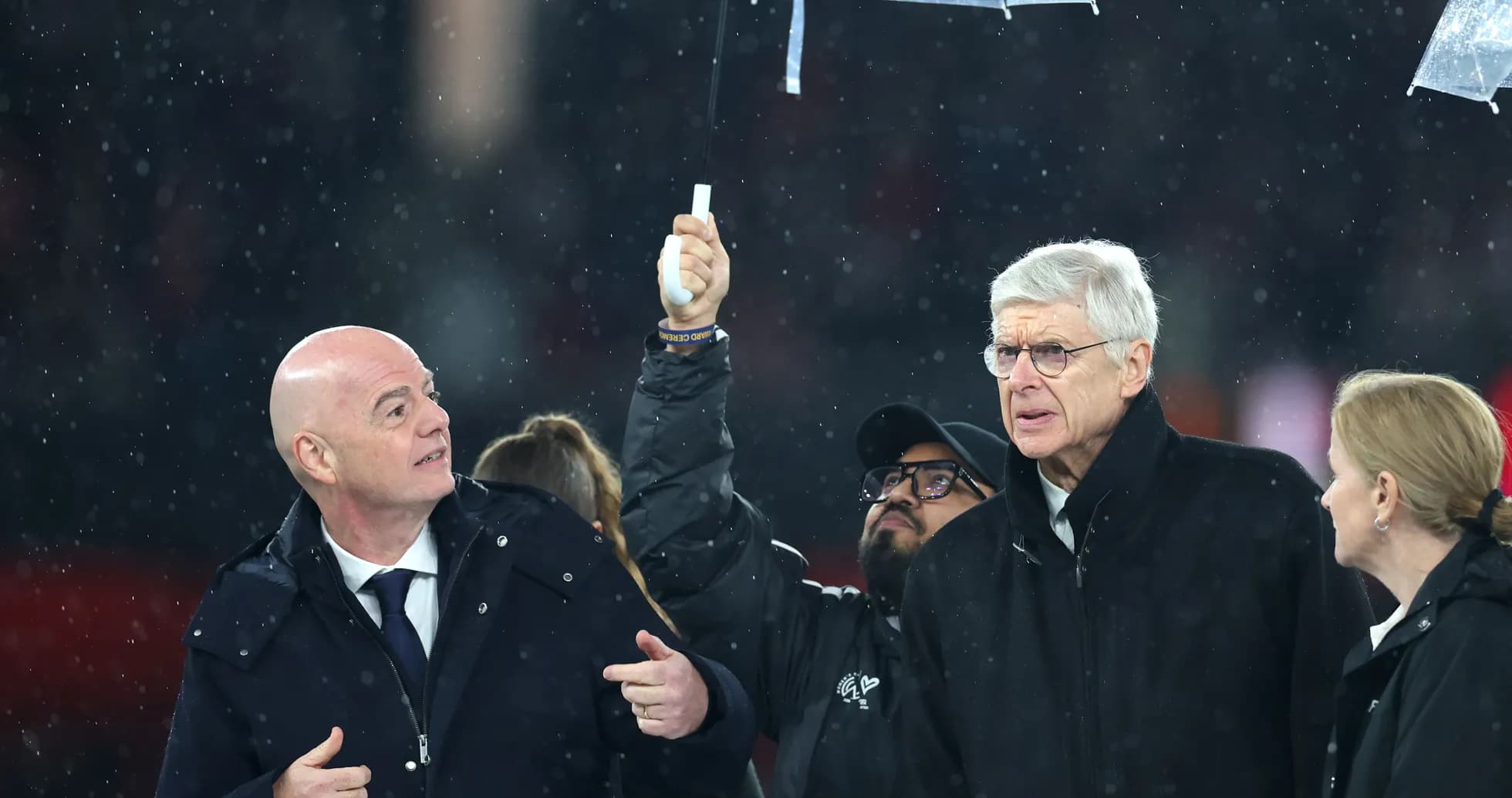
Arsène Wenger is weighing up a move that would jolt world football out of its current orbit.
The former Arsenal manager is seriously considering a run for the FIFA presidency against Gianni Infantino, a possibility that has been whispered in European corridors of power for weeks and is now edging towards reality.
This is no coincidence of timing. Infantino is under intense pressure after a furious backlash to his failed attempt to sell commercial stakes in the World Cup to private investors. The plan collapsed, the anger did not, and suddenly the most powerful office in football looks less secure than it did a few months ago.
Across Europe, senior figures have been quietly lobbying Wenger to step forward. Some of them have gone so far as to tell BBC Sport they would be content for the 77-year-old to serve only part of a four-year term, seeing him as a bridge to a new era rather than a long-term ruler. A transitional president, not a dynasty.
His age is an obvious question. His stature is the obvious answer.
Infantino still enjoys strong support blocks in South America, Africa and Asia, and has publicly claimed the backing of the “overwhelming majority” of the football world. That claim may yet be tested. A Wenger candidacy would not just be symbolic; it would force federations to choose between a sitting president and one of the most respected football minds of the modern era.
If he runs, Wenger would do so with UEFA at his back. The European body has led the resistance to Infantino’s leadership and has been the loudest voice against the World Cup stake-sale plan. For them, Wenger is more than a figurehead. He is a credible alternative with global reach and long-standing relationships far beyond Europe.
Africa is a key battleground. Wenger’s support for expanding the World Cup to 48 teams was warmly received across the continent, where he is remembered for championing African players during his Arsenal years. Infantino, though, has already secured a clean sweep of endorsements from all 54 African member associations, helped by promises of increased funding. If Wenger steps in, that consensus will be strained.
For now, the Frenchman remains on the fence. Sources close to him say he has not yet made up his mind and still believes Infantino is favourite to secure a fourth and final term in next year’s election. The decision window is tight, but not closed.
A race against the calendar
The clock is already ticking. Candidates have until 18 November to formally declare they will stand against Infantino in the March election, and the field is beginning to take shape.
Ramon Vega, the former Tottenham defender, was the first to break cover in October, announcing his candidacy early. Kozo Tashima, honorary president of the Japan Football Association, has also signalled that he intends to run. Neither carries Wenger’s global profile, but their presence underlines a growing appetite for alternatives.
Inside FIFA, the fallout from the failed World Cup stake-sale plan continues to seep through the walls. This month, the organisation told council members it would make “key documents” on the proposal available — but only at its Zurich headquarters, and only under “strict protocols”. No digital dumps, no easy access, no casual transparency.
The unease has not eased.
The “strikers’ project” and a fractured trust
Last month, UEFA set FIFA a hard deadline of 2 November to reveal full details of the controversial “FIFA Forward” (FFE) proposal and to explain exactly how such a seismic plan was put together. The demand followed a council meeting in which Infantino apologised for the aborted club-sale project, but declined to spell out who had driven it or how it had reached the table. Questions, he said, had to be submitted in writing.
That only sharpened suspicions.
Wenger, long seen as loyal to Infantino in his role as FIFA’s chief of global football development, moved quickly to distance himself as the storm broke.
“I was not involved in this strategic plan, and I first learned of the project through media reports,” he said at the time. He then backed the U-turn in stark terms: “The decision to withdraw the project was absolutely necessary and indisputable, because I firmly believe in an independent FIFA that serves our sport with commitment, transparency and integrity.”
Those words landed heavily. They signalled not just disapproval of a single scheme, but a clear line on how the game’s governing body should behave.
Wenger’s paradox: lightning rod and unifier
Wenger’s time at FIFA has not been smooth. His push for a World Cup every two years drew fierce criticism from leagues, players’ unions and many national associations. His advocacy for a “clear” offside law stirred yet another round of argument in a sport already exhausted by VAR debates.
He has become a paradoxical figure: a source of controversy on format and law, yet a unifying presence when the discussion turns to football’s broader ethics and future.
Infantino, for his part, has not been idle. His recent tour of Africa brought him unanimous public support from all 54 national associations there, a crucial plank in any re-election strategy. He has leveraged FIFA funding and development promises to build a formidable base.
That is exactly where Wenger’s history bites hardest. During his Arsenal reign he opened doors for African players, trusted them, built teams around them, and earned a deep reservoir of goodwill. For many in African football, he is not just a famous coach but a man who altered careers and, in some cases, lives.
If he chooses to run, the contest will not just be about policy documents and governance structures. It will be about memory, loyalty and what kind of leadership the sport wants as it stares down another decade of commercial pressure and political intrigue.
The deadline is approaching. The numbers, the blocs, the promises — all of that matters. But for now, one question hangs over Zurich and every confederation office: does Arsène Wenger actually want the job that could change football all over again?