Arsenal's Summer Clear-Out: A Risky Gamble or Strategic Move?
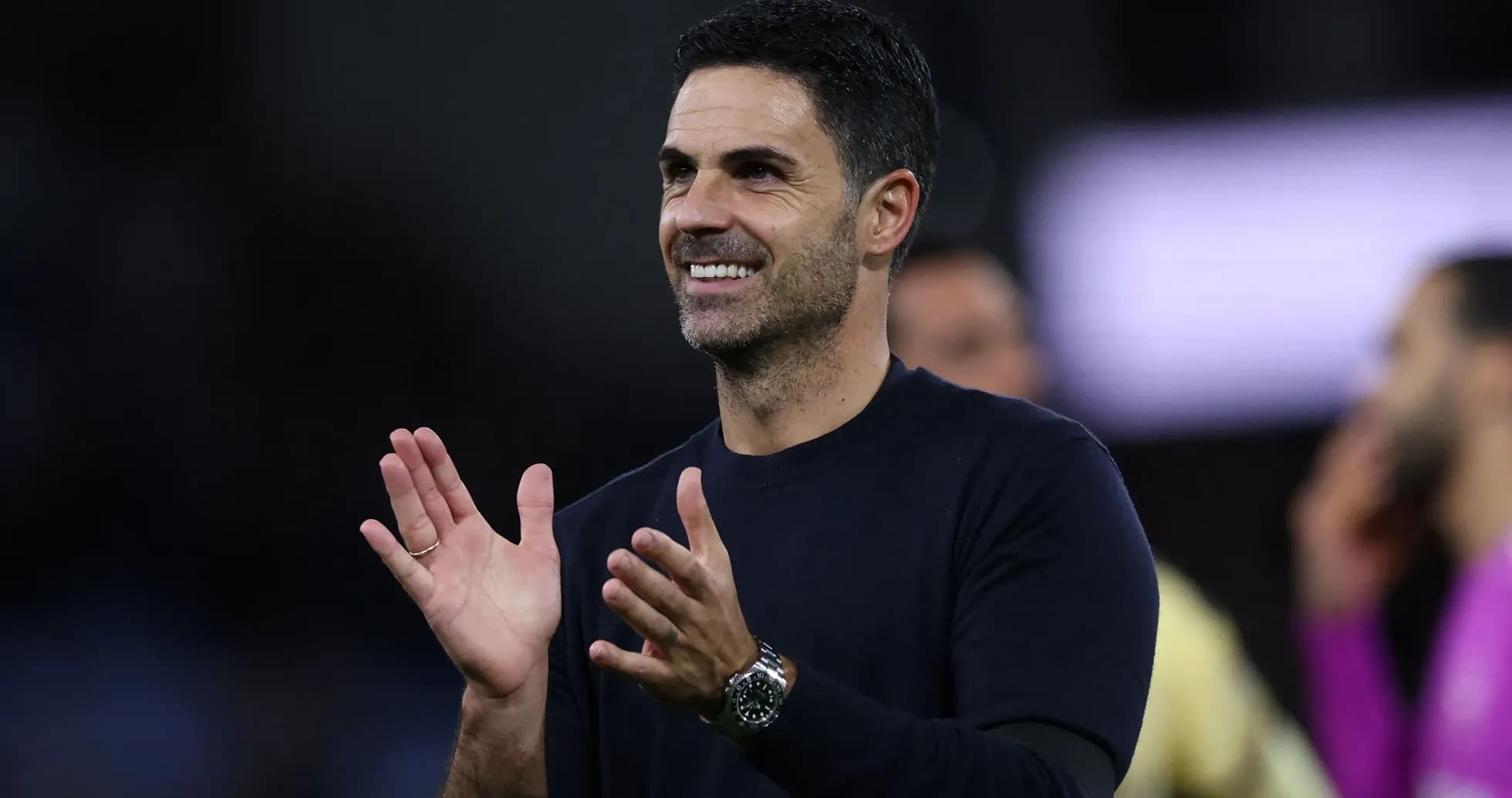
Arsenal’s summer clear-out was always going to provoke debate. The names alone guaranteed it.
- Leandro Trossard to Besiktas for £17.1m.
- Gabriel Jesus to Barcelona for £8.5m.
- Gabriel Martinelli, the terrace favourite, to Al-Hilal in a £60m deal.
Three attackers out, two of them natural left wingers, one a central striker. Only one direct attacking signing in: Christos Tzolis from Club Brugge for £34m. On paper, it looks like a gamble. On the pitch, it will define Arsenal’s season.
A thin edge by design
Mikel Arteta has never been shy about making ruthless calls, but this reshuffle strips his forward line right down to the bone. The left flank now belongs to Tzolis and Eberechi Eze, both talented, both unproven as long-term solutions at the very top level in this team. Through the middle, Kai Havertz, Viktor Gyokeres and Mikel Merino form the spine of his attacking options.
It is a bold bet on versatility and internal growth rather than volume of bodies.
When asked if he regretted leaving himself so light, Arteta did not blink.
“No,” he replied. “The selling of players can come from different aspects as well. It's not always the same one. That's part of the responsibility we have at the football club. I understand the point of view, but we have to understand the amount of minutes those players played and the ones that were injured, especially in the first six months. Then the data shows something completely different, but it is what it is. This is what we have and we already have some very good players.”
That line about “the data” is key. Inside the club, this was not a romantic decision. It was a calculation.
Martinelli: the end of a story
Of all the exits, Martinelli’s cut deepest. Seven years in North London, a player whose energy seemed to mirror the crowd’s own heartbeat. For many at the Emirates, he was not just another winger. He was a symbol of the rebuild.
Arteta spoke with clear affection, but also with the cold clarity of a manager shaping a squad for what comes next.
“With Gabi, I have gratitude. It's been a pleasure to work with him and be part of his journey,” he said. “The Gabi I met and the one that just left had a huge transformation both personally and professionally. The impact he had for the club, his ambition, his love for the game and the way he has helped us to grow and achieve our goals, he has been a critical player. The story ends, and we wish him all the best in a different one.”
The club’s stance is that availability and usage drove these calls. Gabriel Jesus, Arteta pointed out, only returned in December after an 11‑month ACL layoff. Trossard and Martinelli fared better physically, but even they missed two league games each through injury in the first half of last season.
The minutes tell their own story. Trossard logged 1,049 league minutes in that spell. Martinelli managed just 535. Intermittent starts, broken rhythm, and a manager who clearly felt the frontline needed refreshing, not simply preserving.
Sentiment lost out to strategy.
Ambition questioned, resolve repeated
Not everyone in the stands is convinced. Some Arsenal supporters have been vocal, recalling Arteta’s words in the aftermath of the Champions League final: the promise that the club would be “very ambitious, fast and smart” in the market.
The departures were fast. The ambition, in their eyes, is harder to see when the late-window incomings never materialised.
Asked directly whether those criteria had truly been met, Arteta doubled down.
“100 per cent ticked,” he insisted. “The outcome after can be different to what you expect, but the intention was certainly there, which is what I value the most.”
The message is clear: judge the process, not just the headline names. Inside the training ground, they believe the squad is lean but sharp, trimmed of players they felt they could no longer rely on across a full campaign.
The risk, of course, is that a couple of injuries in attack could turn that lean profile into a glaring weakness.
Derby on the horizon, doubts in the treatment room
All of this plays out against the backdrop of a London derby, the kind of fixture that quickly tests the wisdom of a summer’s work.
Arteta’s squad bulletin carried its own note of tension. Bruno Guimaraes remains a doubt after missing training sessions, though the manager struck an upbeat tone.
“He had a knock against Villa and he's been assessed,” Arteta said. “He will probably be okay for training tomorrow.”
The same cautious optimism surrounds Mosquera.
“It was more precaution than anything else to bring Mosquera off against Aston Villa. We will have to see how he feels in the session tomorrow. Jurrien is in really good condition. He's been on the pitch for a few weeks and training with us, so he's in a good place. We will decide tomorrow after training if he is available.”
Fitness calls, tactical calls, and the shadow of a summer that stripped away familiar faces. Arsenal now walk a narrow line: lighter in numbers, heavier in expectation.
Arteta has made his choice. The question is whether this trimmed, data-driven version of Arsenal can carry the weight of a season that demands not just intention, but trophies.